
Netanyahu Loses His Grip on Israel as Arab Parties Hold the Balance
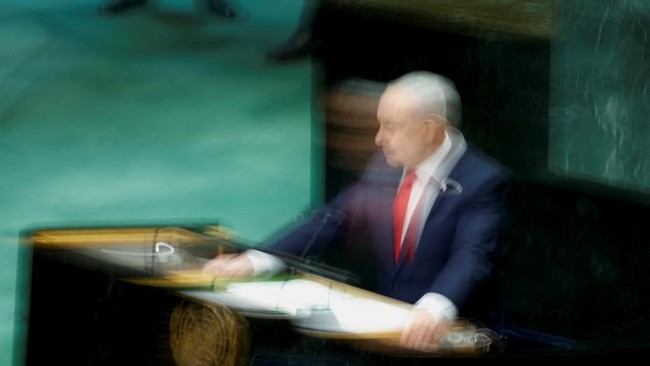
Israeli Prime Minister Benjamin Netanyahu is facing a political crisis after losing his parliamentary majority in the 27 October election. Rather than accept the result, Netanyahu and his allies have accused the election of being rigged through alleged bribery, foreign funding and vote manipulation by Arab parties.
The political allegations emerged after two Arab parties, the Joint List and Ra’am, recorded a significant increase in voter turnout and appeared poised to determine the formation of a new government. Gadi Eisenkot, Netanyahu’s main rival, said the accusations were an attempt to cover up a political defeat.
“They are doing this because they lost,” Eisenkot said in a video statement on Thursday, CNN International reported on Tuesday (3 November 2026).
The results left Netanyahu’s coalition with only 53 of the 120 seats in parliament, well short of the 61 needed for a majority. The opposition bloc led by Eisenkot won 48 seats and could potentially reach 67 with the support of the Arab parties’ 19 seats.
According to a source close to Netanyahu, one of the prime minister’s main priorities after the election was to prevent political cooperation between Jewish and Arab groups that could end his rule. The concern is linked to the experience of the Bennett-Lapid government in 2021, which ousted Netanyahu with support from the Arab Ra’am party.
Allegations of fraud had surfaced before polling day. In mid-October, Netanyahu and Religious Zionist Party leader Bezalel Smotrich announced plans to deploy around 2,000 observers at polling stations in Arab communities, which they described as vulnerable to manipulation.
On election day, three Ra’am activists were also arrested on suspicion of vote-buying. However, a court rejected most of the police’s requests for restrictions, and several suspects were subsequently released.
After the votes were counted, Netanyahu’s Likud party said it had collected hundreds of testimonies alleging bribery, threats, violence and vote falsification.
Claims of foreign funding also emerged after a letter from Central Elections Committee chairman Noam Solberg to Shin Bet director David Zini was leaked to the public, although Solberg acknowledged that he could not establish the strength of the available evidence. Qatar also denied allegations that it had funded efforts to increase Arab voter turnout.
Israel’s election authorities rejected claims of systematic fraud. In a joint statement with the Shin Bet and the attorney general, Solberg said the election had been conducted properly and that even evidence of foreign funding would not automatically invalidate the vote.
“Your decision at the ballot box will be respected,” he said.
Netanyahu has not withdrawn his allegations, saying the election result remains shrouded in a “dark cloud”. Eisenkot described the accusations as an influence operation intended to delegitimise the new parliament, while Democratic Party leader Yair Golan said Netanyahu was acting like “a dictator who refuses to accept defeat at the ballot box”.
The Joint List also said it would not allow the campaign to erase the legitimacy of the Arab community’s vote.
Source: jawawa.id (https://jawawa.id/newsitem/netanyahu-loses-his-grip-on-israel-as-arab-parties-hold-the-balance-1793699446)
Originally published by CNBC Indonesia (https://www.cnbcindonesia.com/news/20261103160150-4-781951/netanyahu-hilang-kendali-di-israel-partai-arab-jadi-penentu), translated from Indonesian