
Netanyahu Leads Election but Falls Short of a Majority: What Happens Next?
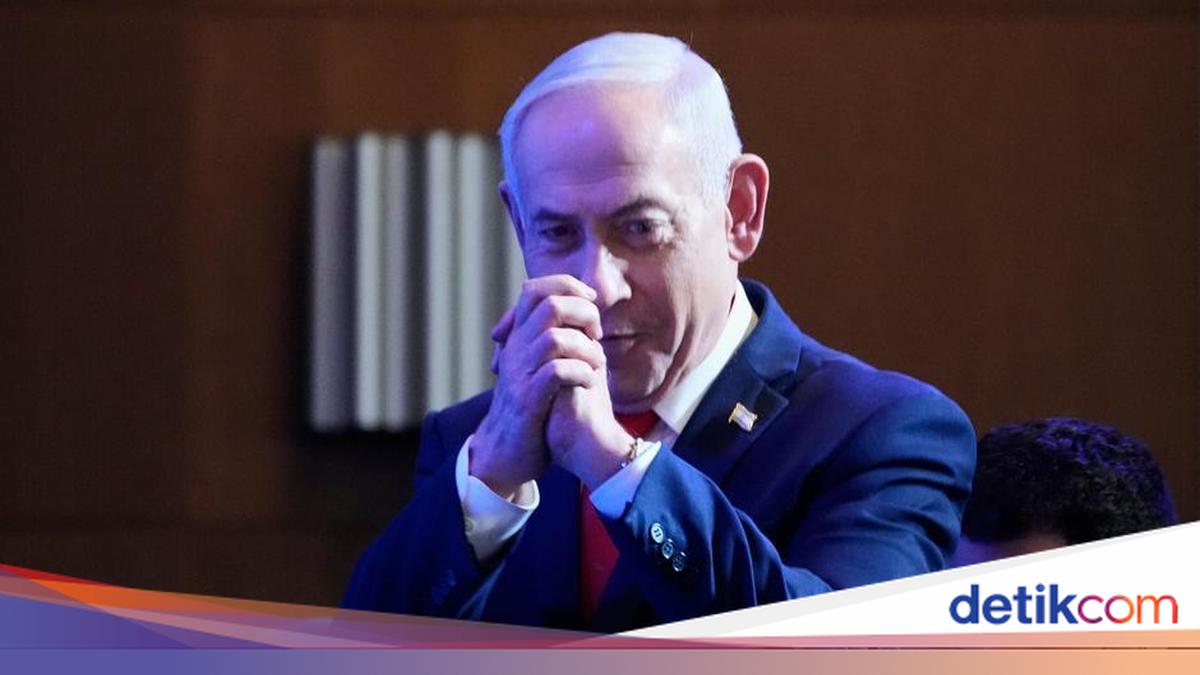
Israeli Prime Minister Benjamin Netanyahu’s coalition narrowly led the election held on 27 October. However, its lead does not necessarily mean Netanyahu can return to power. Why not?
Israel’s Central Elections Committee (CEC) has released the official final results of the 27 October legislative election. Benjamin Netanyahu’s coalition came ahead of the opposition, but failed to secure the parliamentary majority needed to form a government.
The CEC, as reported by AFP and The Times of Israel, announced the final results on Friday morning local time, after completing its final checks for errors and complaints.
According to CEC data, turnout was 77.9 per cent of the approximately 7.3 million eligible voters. A total of 5,716,655 votes were cast and counted, the highest figure in several decades.
Results of the Israeli election
The final results announced by the CEC show Netanyahu’s right-wing coalition winning 53 of the 120 seats contested in the parliament, or Knesset. Likud, Netanyahu’s party, remained the largest single faction, with 27 seats.
The opposition bloc, led by Gadi Eisenkot, head of the Yashar party, won 48 seats.
The full seat allocation announced by the CEC was: Likud, 27; Yashar, 21; B’Yachad, 12; Joint List, 11; Democrats, 8; Ra’am, 8; Yisrael Beytenu, 7; United Torah Judaism, 7; Otzma Yehudit, 7; Shas, 6; and Religious Zionism, 6.
Netanyahu’s coalition comprises Likud, Shas, United Torah Judaism, Otzma Yehudit and Religious Zionism. The opposition bloc consists of Yashar, B’Yachad, the Democrats and Yisrael Beytenu.
With 53 seats, Netanyahu’s coalition has a narrow lead over the opposition bloc. But it remains well short of the 61 seats required for a parliamentary majority and to form a government.
Arab parties could hold the balance of power
Meanwhile, Israel’s Arab parties—the Joint List and Ra’am—have secured a combined 19 seats, a record high. That is almost double the 10 seats they currently hold.
Their gains would be more than enough to give the anti-Netanyahu opposition a strong parliamentary majority, if the opposition had not ruled out the possibility of joining a coalition with the Joint List and Ra’am.
The Arab parties, which could play a decisive role in the coming coalition negotiations, were targeted by unsubstantiated allegations of election fraud circulated by Netanyahu’s camp on Thursday night, 29 October.
The allegations claimed that the Arab parties had received Qatari funding to “buy votes”. The Joint List and Ra’am denied the claims, as did Qatari authorities. Eisenkot, from the opposition, accused Netanyahu of seeking to “delegitimise” the election results.
In a statement on Friday morning, the CEC dismissed claims of election fraud amid allegations of foreign funding intended to influence the vote, without directly referring to the accusations against the Arab parties. “The reports circulating throughout the day are entirely unfounded,” said CEC Acting Director Dean Livne.
The final election results will be formally submitted to Israeli President Isaac Herzog on Wednesday, 4 November. Herzog will then consult party leaders before asking one of them to form a government.
The absence of an outright parliamentary majority points to difficult coalition negotiations that could take weeks.
If no new government can be formed, Israel could face another election, as it has several times in the past.
Source: jawawa.id (https://jawawa.id/newsitem/netanyahu-leads-election-but-falls-short-of-a-majority-what-happens-next-1793404260)
Originally published by detikcom (https://news.detik.com/internasional/d-8731953/netanyahu-unggul-pemilu-tapi-gagal-raih-mayoritas-apa-yang-akan-terjadi), translated from Indonesian