
Netanyahu Leads but Falls Short of an Overall Majority as Coalition Talks Set to Be Tough
Final vote count:
Israel’s Central Elections Committee has released the final results of the vote count from the election held on Tuesday (27 October).
Netanyahu bloc wins a total of 53 seats:
Likud: 27 seats
United Torah Judaism (UTJ): 7 seats
Otzma Yehudit: 7 seats
Shas: 6 seats
Religious Zionist Party (RZP): 6 seats
Eisenkot bloc wins a total of 48 seats:
Yashar: 21 seats
B’Yachad: 12 seats
The Democrats: 8 seats
Yisrael Beytenu: 7 seats
Israeli Arab parties win a total of 19 seats:
Joint List: 11 seats
Ra’am: 8 seats
Complex process to form a governing coalition
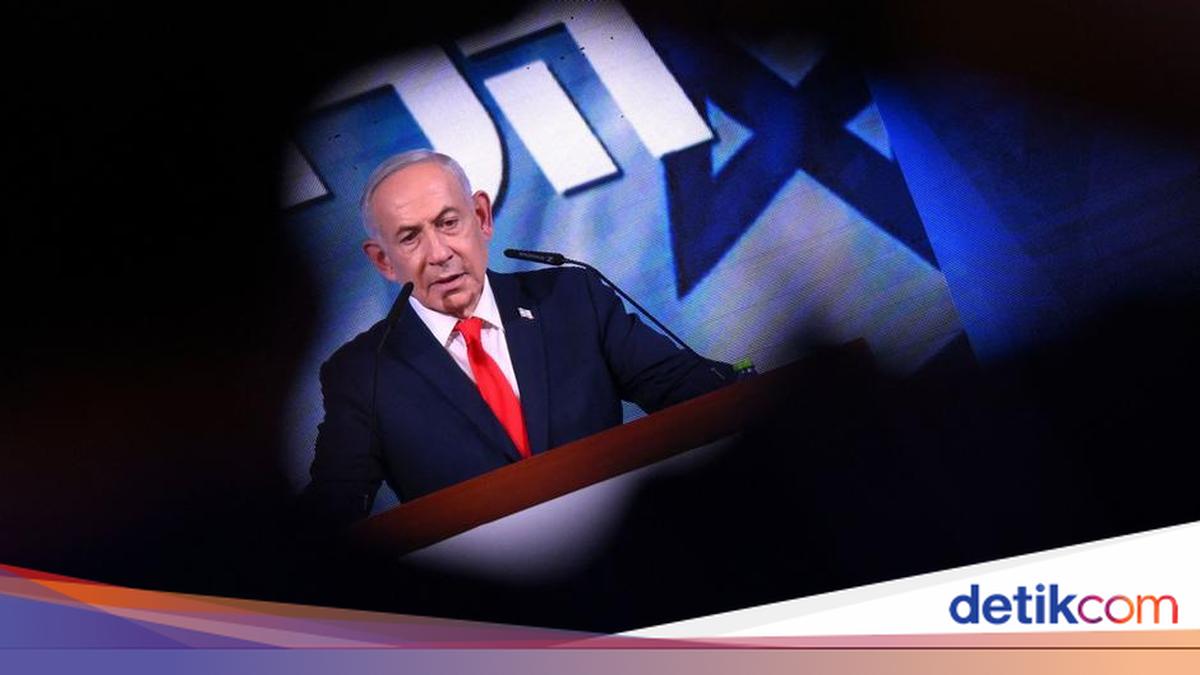
Ahead of the election, two political blocs had become clearly defined. On one side was the governing coalition, comprising right-wing and far-right parties and religious groups, led by Prime Minister Benjamin Netanyahu and his Likud party.
On the other side was the anti-Netanyahu bloc, made up of a combination of right-wing, centrist and liberal parties whose main aim was to remove the incumbent from power.
Neither bloc, however, secured a parliamentary majority. This has made the path to forming a new government considerably more complicated.
The search has now begun for a governing coalition able to command majority support. One of the main questions is whether the two Israeli Arab parties, which together secured a record 19 seats, will join the next government or at least support it from outside the coalition.
Yair Golan, leader of the centre-left Democratic Party, said he had met opposition leader Gadi Eisenkot, former Prime Minister Yair Lapid, and Mansour Abbas, leader of the Arab party Ra’am.
Golan also called for dialogue with parties led by the Arab community. After meeting Eisenkot, he wrote on X that “Israel’s future is at stake”.
It remains unclear whether the right-wing factions in Eisenkot’s anti-Netanyahu bloc would be willing to work with the Arab parties.
Another option now being discussed is a national unity government involving Netanyahu and Eisenkot. Such a move, however, could be poorly received by moderate voters.
Political climate ahead of the announcement
As the final results of Israel’s parliamentary election were due to be announced on Thursday evening (29 October), attention focused on allegations of fraud that had inflamed the country’s political atmosphere.
Israeli Prime Minister Benjamin Netanyahu and his Likud party reiterated claims that Arab parties had rigged the election. Netanyahu said the evidence he had would be handed to the police, the domestic security agency Shin Bet, and the Central Elections Committee.
He also referred to alleged involvement by foreign parties, said to have intervened and bribed voters to benefit Arab parties. Netanyahu described this as an “unprecedented shock”.
His main rival, Gadi Eisenkot, warned political figures against using unverified information to cast doubt on the official election results.
Qatar, meanwhile, strongly denied any involvement in Israel’s election, including allegations that it had funded efforts to influence the result.
Qatar’s Foreign Ministry spokesman, Majed Al Ansari, described the allegations as part of a disinformation campaign by some Israeli politicians aimed at dragging Qatar into Israel’s domestic political dispute.
Sami Abu Shehadeh, leader of one of the parties in the Arab Joint List alliance, called the allegations a new form of incitement against Arab political groups.
Ra’am leader Mansour Abbas said he supported an investigation into alleged interference in the election, but stressed that his party had no involvement.
Israel’s Central Elections Committee also responded to the allegations, saying there was no basis for claims of systematic fraud.
“The Knesset election was conducted in accordance with the law. The integrity of voting at all polling stations was rigorously safeguarded and, to the best of our knowledge, there is no basis for allegations of systematic violations of the integrity of the election,” acting Central Elections Committee Director-General Dean Livne wrote in a letter quoted by The Times of Israel.
Source: jawawa.id (https://jawawa.id/newsitem/netanyahu-leads-but-falls-short-of-an-overall-majority-as-coalition-talks-set-to-be-tough-1793361250)
Originally published by detikcom (https://news.detik.com/dw/d-8731537/netanyahu-unggul-tanpa-mayoritas-mutlak-negosiasi-koalisi-bakal-alot), translated from Indonesian