
Netanyahu Becomes a Hindrance to Trump, Iran Negotiations Collapse Again
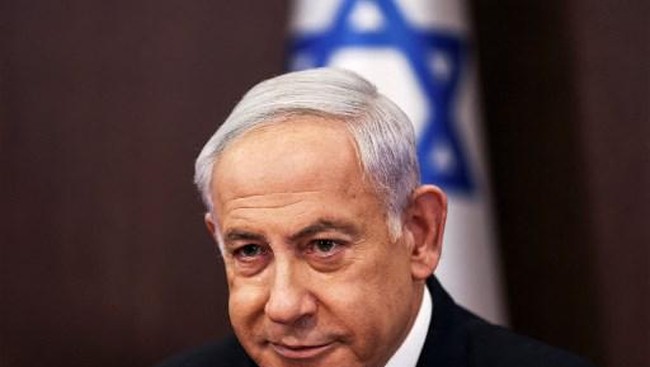
Israeli Prime Minister Benjamin Netanyahu has become a significant obstacle in the efforts to reach a peace agreement between the United States and Iran. Israel’s military operations in Lebanon are now a stumbling block in negotiations concerning the potential reopening of the Strait of Hormuit, while simultaneously testing the volatile alliance between US President Donald Trump and Netanyahu.
According to an analysis by The Guardian, Netanyahu is under immense pressure to prove that his campaigns against Hamas, Hezbollah, and Iran are yielding results, as his own political future hangs in the balance. Netanyahu’s threat on Monday (1/6/2026) to bombard the southern outskirts of Beirut to repel Hezbollah prompted Iran to declare it would sever negotiations with the United States until the conflict is frozen. Trump, facing the threat of collapsing negotiations after previously claiming a deal was close, responded with less enthusiasm, stating, “I think we have talked too much.”
The crisis culminated in a telephone conversation that, according to one version, was heated between Trump and Netanyahu. “What exactly are you doing?” Trump reportedly said to Netanyahu, according to an official speaking to Axios. Another version described Trump’s words as: “You would be in prison if it weren’t for me.” However, these accounts are disputed. Israeli media Channel 12 reported that the core issue was a misunderstanding between the two leaders, suggesting Trump felt Netanyahu implied the war would continue at full intensity, while Netanyahu believed Trump implied a total ceasefire.
Trump dismissed the friction to ABC News, stating, “There was a little disruption today, but I turned it around very quickly, as you may have seen before.” Netanyahu has faced five US presidents since first taking office in 1996 and is known for frustrating almost all of them. Currently, Netanyahu faces a critical moment; the Israeli parliament recently passed the first reading of a bill to dissolve parliament, with early elections expected in the autumn.
After a surge in popularity following successful strikes against Iranian leadership, Netanyahu’s support has plummeted as the wars in Gaza and Lebanon drag on. Ilan Goldenberg, a former special adviser on the Middle East, noted that Netanyahu needs a narrative of victory in Lebanon to sustain his political campaign. Furthermore, Netanyahu faces legal pressure from ongoing trials involving allegations of fraud and bribery.
While Netanyahu successfully lobbied Trump to join forces against Iran, Trump’s domestic political considerations now appear to be taking precedence. Trump frequently uses economic data, such as petrol prices, to demonstrate his administration’s success. Additionally, the leaking of details regarding the Trump-Netanyahu conversation suggests the Trump administration seeks to appear firm against Israel to avoid accusations that the Israeli Prime Minister is controlling Washington’s policy direction.
Following the discussions, Netanyahu confirmed that Israel would not attack Beirut unless Hezbollah strikes first. However, at least eight people were reported killed on Tuesday in Israeli drone strikes, just hours after Trump and Netanyahu agreed to de-escalate the conflict. The situation regarding Iran remains uncertain, as the Iranian government maintains control over approximately 20% of global oil trade by threatening to close the Strait of Hormuz, betting that economic pressure will influence the US negotiating position.