
Net Profit Rises, Supported by Solid Intermediation
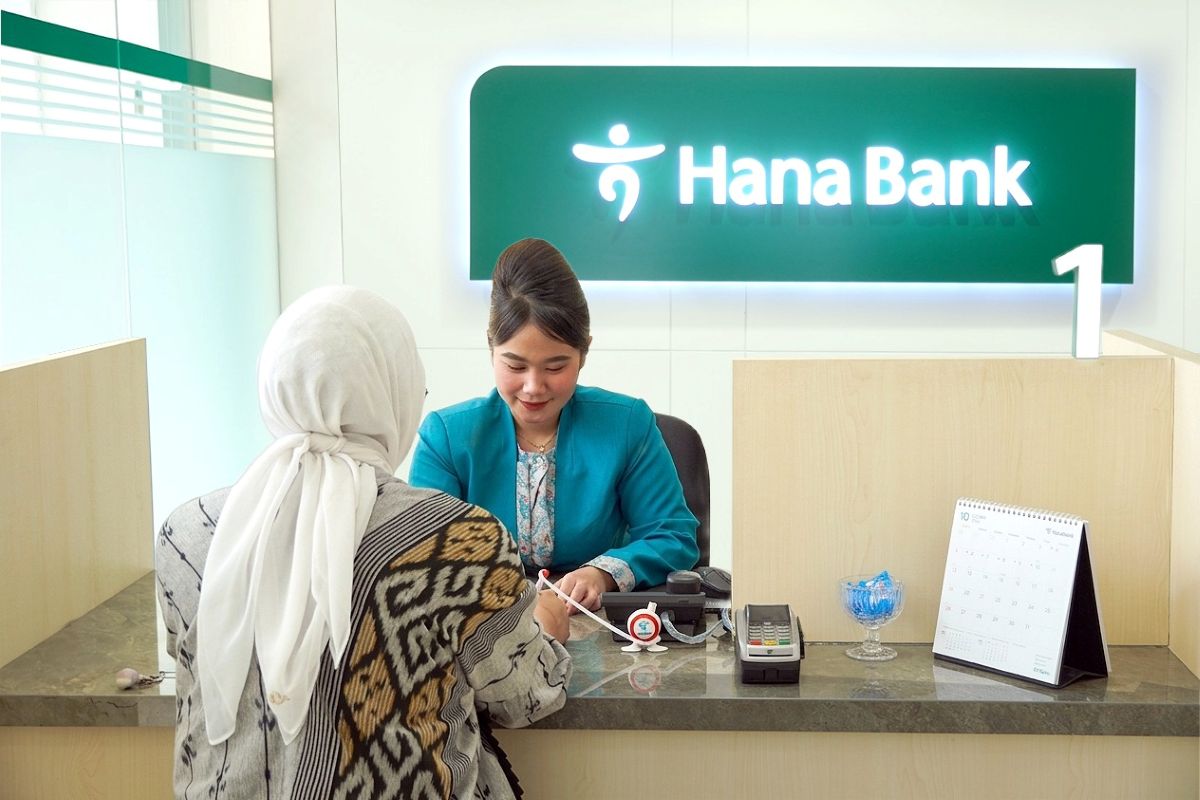
PT Bank KEB Hana Indonesia (Hana Bank) recorded a positive performance throughout 2025, posting a net profit of Rp611 billion, representing a 17.63% year-on-year (yoy) growth. This achievement not only reflects sustainable growth but also surpassed the company’s established targets. Hana Bank President Director Yung Ryul Ko stated that this performance resulted from the implementation of a sound business strategy and prudent risk management amidst global economic uncertainty. ‘This growth reflects a sound business strategy and prudent risk management amid global uncertainty,’ he said in an official statement. Entering 2026, the bank is optimistic about continuing this momentum by providing relevant financial solutions for customers across all segments. In terms of intermediation, Hana Bank’s lending grew 8.14% yoy to Rp40.14 trillion. This growth was mainly supported by an increase in corporate segment loans, driven by high demand for working capital and syndicated loans. On the funding side, Third-Party Funds (DPK) increased 8.36% yoy to Rp29.18 trillion, primarily driven by growth in current accounts and time deposits. Asset quality also remained well maintained. The gross Non-Performing Loan (NPL) ratio was recorded at 0.68% and net NPL at 0.24%, lower than the previous year. These figures are also below the banking industry average based on data from the Financial Services Authority (OJK), which recorded a gross NPL of 2.05% and a net NPL of 0.79%. On the sustainability front, Hana Bank continues to strengthen financing for sustainable business activities as part of its commitment to Environmental, Social, and Governance (ESG) principles. This financing covers the Micro, Small, and Medium Enterprises (MSMEs) sector, sustainable water and wastewater management, and various products supporting resource efficiency and pollution reduction. Throughout 2025, Hana Bank’s sustainable financing value reached Rp5.19 trillion, a 12.27% increase compared to the previous year, contributing 12.92% to the company’s total loan portfolio.