
Nepal Floods: How China Erases Evidence of Disaster
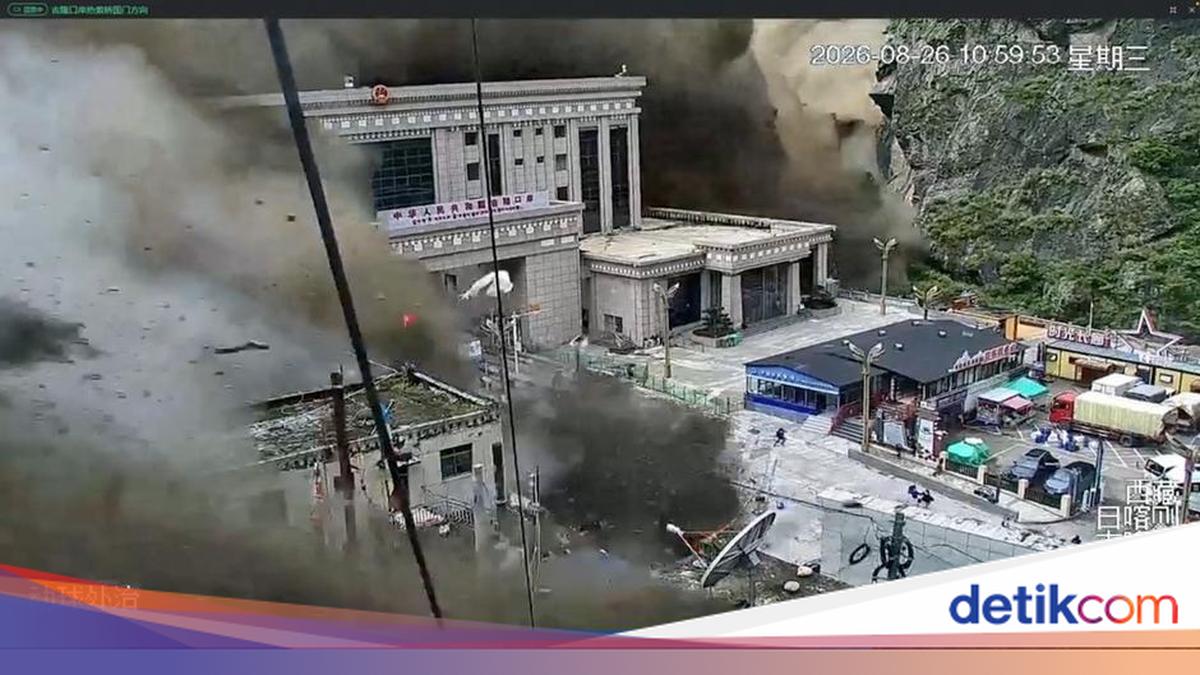
When massive flash floods struck the rugged China-Nepal border region on 26 August 2026, destruction occurred in an instant. In Nepal, powerful black currents carrying mud and rocks surged through settlements, leaving hundreds dead and thousands more missing in the border areas.
However, across the border in Tibet, China’s autonomous region, the physical disaster was swiftly followed by a digital one: visual evidence of the catastrophe was rapidly erased using advanced technology. As survivors attempted to upload footage of the floods, China’s state-backed information control systems immediately intervened. Sophisticated and targeted operations were conducted to shape the public narrative while eliminating facts deemed unfavourable.
Two contrasting realities—the humanitarian crisis in Nepal and a highly controlled, ‘successful’ rescue narrative in China—demonstrate how Beijing’s modern censorship machine continues to evolve. Rather than implementing total blockades, the government uses image recognition technology and ‘information saturation’ strategies to reduce domestic public scrutiny while dampening potential diplomatic tensions abroad.
The Collapse of the Border Gate
Shortly after the floods triggered landslides, local residents recorded dramatic videos showing torrents of water surging through Gyirong Port, a vital land trade hub between China and Nepal. The most striking footage showed a wall of black water mixed with mud and rocks smashing and destroying the ‘national’ border gate.
In an article titled ‘Unrecorded Landslide Hits Gyirong Port’ published on WeChat, a local blogger known as ‘Matou Qingnian’ described the chaotic situation. ‘The most terrifying moment occurred at Gyirong Port,’ they wrote, describing footage of crowds, including children, running for safety before the thick black current obscured the camera’s view.
Within hours, the article and raw video footage disappeared from Chinese social media. According to China Digital Times (CDT), an independent watchdog monitoring Chinese internet censorship, the video of the border gate’s collapse was systematically blocked from being shared via WeChat, even through private messages.
‘The footage itself contained no graphic violence, protests, or political slogans,’ said Mira, an editor at CDT who monitors sensitive keywords and media. ‘The target of the censorship was the symbol itself: the National Gate.’
Digital analysts suggest this censorship indicates an increase in China’s internet surveillance capabilities. The government is no longer merely filtering text-based keywords; platforms now heavily utilise video-based fingerprint matching, image hashing, and machine learning models to recognise specific visual scenes. Once a sequence of images is blacklisted, the content can be intercepted before it is even uploaded.
Information Saturation as a Shield: The Art of ‘Saturation’ Censorship
The emphasis on the Gyirong Port disaster reflects a broader shift in Beijing’s strategy: moving from mass deletion towards ‘precision surgical operations’ and flooding the information space with specific narratives.
A keyword search for ‘Tibet landslide’ on Xiaohongshu, a popular Chinese search and lifestyle platform, demonstrates how this ‘saturated information environment’ operates. Instead of displaying empty search pages, the platform’s algorithms present a carefully curated stream of content. Most of this originates from state media, such as CCTV and Xinhua News Agency.
The visual landscape is dominated by high-resolution graphics that appear clean and controlled. Content includes ‘before and after’ comparisons, maps of glacier collapses in the highlands—cited as the official scientific cause of the disaster—and government-approved drone footage. Meanwhile, raw and chaotic mobile phone footage from eyewitnesses at the border is entirely absent.
Analysts argue that by filling the digital space with abundant, visually appealing, and ‘safe’ official content, the government can satisfy public curiosity. Simultaneously, this method makes it difficult for independent reporting and organic public discussion to develop.
On Weibo, China’s largest microblogging platform, the narrative is managed similarly. Although ‘Tibet landslide’ became a trending topic on 26 August, the domestic death toll was quickly fixed at 3 dead and 558 missing by the following morning. Shortly thereafter, trending topics on the platform were diverted to the government’s rapid response.
Two lengthy official reports dominated the news: Chinese President Xi Jinping holding a Politburo meeting of the Central Committee to coordinate rescue efforts, and Premier Li Qiang arriving in Gyirong to personally lead field operations. This coverage effectively transformed a major humanitarian tragedy into a highly organised demonstration of the state’s disaster management capabilities.
The Dangerous ‘Six-Month’ Question
Behind the image of efficient government rescue efforts lies a deeper systemic vulnerability that Beijing seeks to hide: a history of structural negligence. On 27 August, a hashtag briefly evaded censorship and trended on Weibo: ‘Gyirong Port Reopened Only Six Months Ago.’ In less than an hour, the hashtag had been viewed over 347,000 times before being abruptly deleted. The hashtag pointed towards a series of infrastructure failures that are difficult to ignore.
Source: jawawa.id (https://jawawa.id/newsitem/nepal-floods-how-china-erases-evidence-of-disaster-1788329136)
Originally published by detikcom (https://news.detik.com/dw/d-8644817/banjir-nepal-bagaimana-china-menghapus-bukti-bencana), translated from Indonesian