
Neng Eem Stresses Three PR Principles to Guide MPR Annual Session
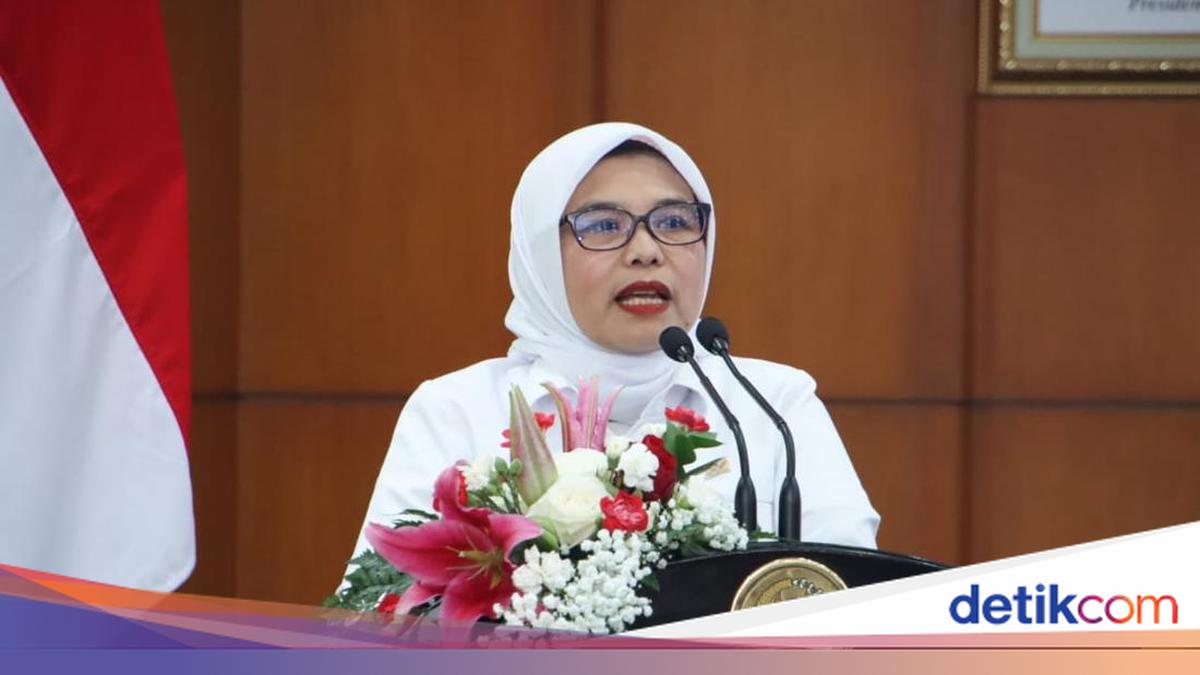
Neng Eem Marhamah Zulfa Hiz, Chair of the National Awakening Party (PKB) faction in the People’s Consultative Assembly (MPR RI), has emphasised three principles that should guide government public relations in managing publicity for the 2026 MPR Annual Session. The three principles are informative, collaborative, and credible. She conveyed this during the Bakohumas MPR RI Thematic Forum titled ‘Bakohumas Synergy in Supporting Informative, Collaborative, and Credible MPR Annual Session Publicity’ at the Nusantara V Building Delegation Room, Parliament Complex, Jakarta, on Tuesday (11/8/2026). According to Neng Eem, these three principles serve as the foundation to ensure that information conveyed to the public is easy to understand, accurate, and accountable. “First, informative. The information we disseminate must be verified and its traceability must be accountable,” she said. Neng Eem stated that the delivery of information must be adapted to the character of the public and the development of social media. She noted that rigid bureaucratic language needs to be transformed into information that is easily understood by the public with complete context. The second principle is collaborative. Neng Eem argued that government public relations must avoid sectoral egos and build synergy between institutions so that messages to the public are aligned. “Bakohumas must act as the orchestrator of public communication. We must move with the same narrative. One source of truth with a thousand ways of delivering it in a harmonious and responsible manner,” she asserted. The third principle is credible. Neng Eem said that public trust cannot be built through mere claims, but must be consistently maintained through every government publication and communication. “Credibility also demands two-way communication. Great public relations is not only adept at speaking on behalf of the state, but also has the ears to listen and a heart that empathises with the public’s doubts and criticisms,” she said. She stressed that public communication must be a two-way process. Public relations should not only act as a spokesperson for policies, but must also be able to listen to and understand the condition of the public. Neng Eem also emphasised the importance of applying Pancasila values in public communication. This includes honesty in conveying information, upholding humanity and empathy, strengthening unity, understanding the process of deliberation, and ensuring equitable access to information for all citizens. She invited all Bakohumas members to make the 2026 MPR Annual Session a momentum to strengthen synergy and present public communication that is clear, holistic, innovative, collaborative, and credible. “Great public relations is not the one that talks the most, but the one that is most trusted,” she concluded.