
Neighbouring Countries' "Treasure Trove" Poisons Residents Instead, Millions at Risk
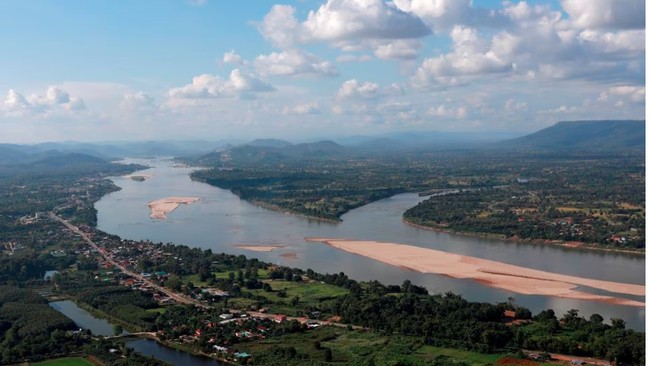
Unregulated rare earth metal mining activities have reportedly poisoned the children of the Mekong River and threaten the health of millions who depend on its waters for agriculture and fishing. The abundance of toxic waste from upstream mines now poses an existential threat to the region dubbed the “World’s Kitchen”.
Sukjai Yana, a 75-year-old fisherman in Chiang Saen, northern Thailand, says he now struggles to sell his catch due to public concerns over river contamination. Chiang Saen is a fishing hub that has been home to Yana’s family for decades, but demand for fish has plummeted sharply due to heavy metal pollution.
“I don’t know where else I can go,” said Yana, one of 70 million people in Southeast Asia who depend on the nearly 5,000-kilometre Mekong River, on Wednesday (29/4/2026).
Rising demand for rare earth materials for modern technologies like smartphones and electric vehicles has sparked a boom in illegal mines in Myanmar and Laos. Experts warn that exposure to heavy metals such as arsenic, mercury, lead, and cadmium increases risks of cancer, organ failure, and developmental disorders in children and pregnant women.
Thailand is the most affected party, as this pollution threatens its global food exports, from rice sold in US supermarkets to garlic in Malaysian kitchens. Suebsakun Kidnukorn from Mae Fah Luang University warns that these mining activities are destroying the backbone of Southeast Asia’s economy.
“Everyone is afraid of the poison. If we can’t export, farmers will be the first to die,” said Lah Boonruang, a 63-year-old farmer who irrigates his fields with water from the Kok River, a Mekong tributary flowing from Myanmar.
Thailand is one of the world’s largest rice exporters alongside India and Vietnam, with rice and fruit exports exceeding US$10 billion (Rp172.53 trillion) in 2024. Niwat Roykaew, founder of the environmental institute The Mekong School, expresses grave concerns that these toxins will accumulate in exported rice and dismantle Thailand’s agricultural culture and industry.
“Our concern is that the poison will accumulate in the rice we export. This will cause our rice agriculture industry, which is our culture, to collapse,” said Roykaew.
The Thai government admits it has limited influence to address mining operations across the border in conflict-torn Myanmar and Laos. Aweera Pakkamart from Thailand’s Pollution Control Department notes that the government’s response is also hampered by limited expertise, information, and funding.
Warakorn Maneechuket, a researcher from Naresuan University, found dangerously high levels of heavy metals in water, fish, and sediment samples. In his study, he discovered signs of contamination in fish, including tumour-like growths, scale discolouration, and unusual eye colours in catfish caught from the Kok River.
“Every sample is very important,” said Tanapon Phenrat from Naresuan University, who helped develop a fish safety app for fishermen to visually identify suspicious fish.