
Negative Impacts of ODOL Vehicles: From Road Damage to High Accident Potential
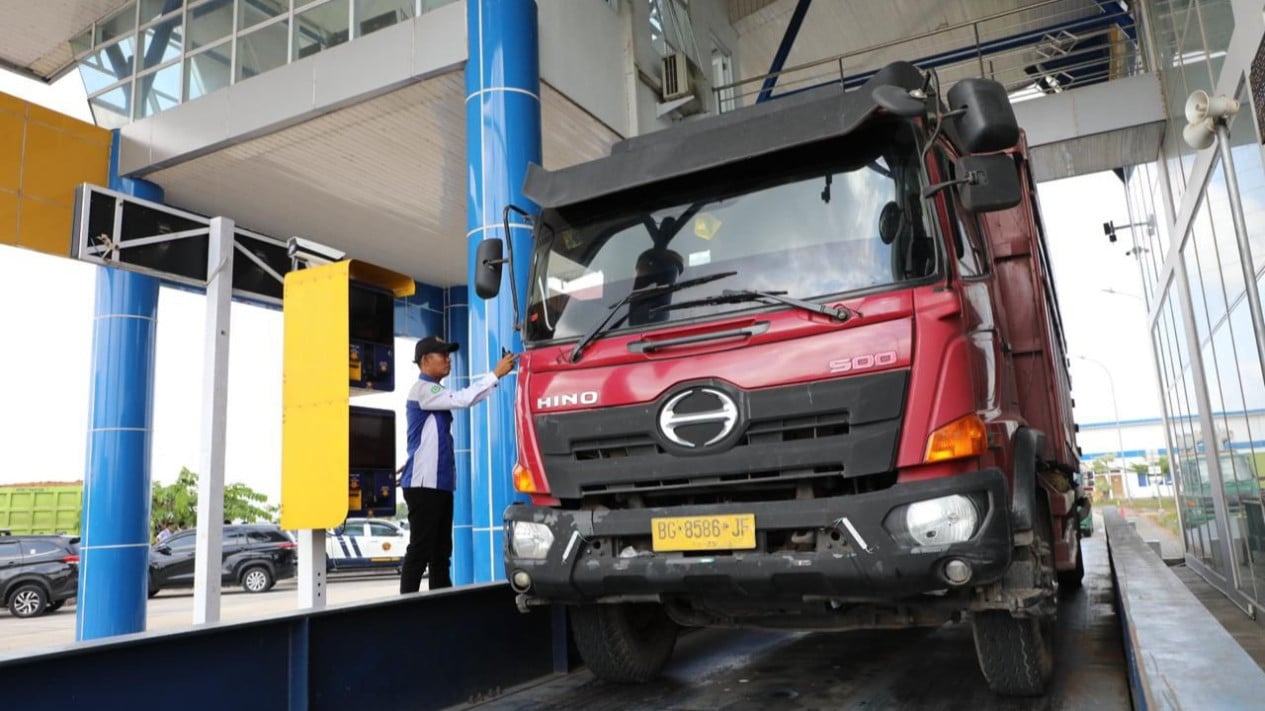
The Government’s commitment to implementing the Zero Over Dimension Over Loading (ODOL) policy, which is set to take effect from January 2027, requires support from all parties. This is due to the substantial losses incurred by the impact of vehicles exceeding their capacity travelling on the roads.
The Minister of Public Works (PU), Dody Hanggodo, stated that ODOL vehicles cause numerous negative impacts, such as budget wastage. From this perspective, the potential state losses for national road repairs reach approximately Rp 43.45 trillion to Rp 47.43 trillion per year, dominated by road preservation and repair costs.
“Not only that, but ODOL trucks accelerate road damage, slashing the lifespan of infrastructure from the intended 11 years to just 3 years. This reduction in road lifespan is caused by excessive load pressure, leading to cracks and potholes far before the normal maintenance schedule,” Dody said in a statement on Monday, 29 June 2026.
Consequently, Dody supports the zero ODOL policy to be implemented early next year. The impact of ODOL vehicles on roads occurs not only on toll roads but is even more significant on non-toll arterial roads, which have lower technical specifications.
Similarly, the Vice Chairman of Empowerment and Regional Development of the Indonesian Transport Community (MTI) Central, Djoko Setijowarno, explained that the government must take bold and wise steps to regulate trucks with excessive dimensions and loads.
“Traffic accidents involving trucks have become the second highest cause of fatalities after accidents involving motorcycles. Based on data from the National Development Planning Agency (Bappenas), ODOL is the second most frequent trigger for accidents nationally,” said Djoko.
Djoko, who is also an academic in the Civil Engineering Study Programme at Unika Soegijapranata, added that the highest accident rate involves motorcycles at 77.4 per cent, as motorcycle users are very large in number and frequently involved in accidents.
Meanwhile, accidents caused by ODOL stand at 10.5 per cent, followed by passenger transport vehicles at 8 per cent, passenger cars at 2.4 per cent, and others.
“From an economic perspective, besides failing to meet ASEAN free trade area standards, ODOL also weakens national competitiveness, including being one of the causes of declining infrastructure competitiveness,” he added.
Source: jawawa.id (https://jawawa.id/newsitem/negative-impacts-of-odol-vehicles-from-road-damage-to-high-accident-potential-1782697852)
Originally published by VIVA.co.id (https://www.viva.co.id/bisnis/1909547-dampak-negatif-kendaraan-odol-dari-kerusakan-jalan-hingga-tingginya-potensi-kecelakaan), translated from Indonesian