
Nearly 300,000 Passengers Use Agglomeration Trains at Tegal Station
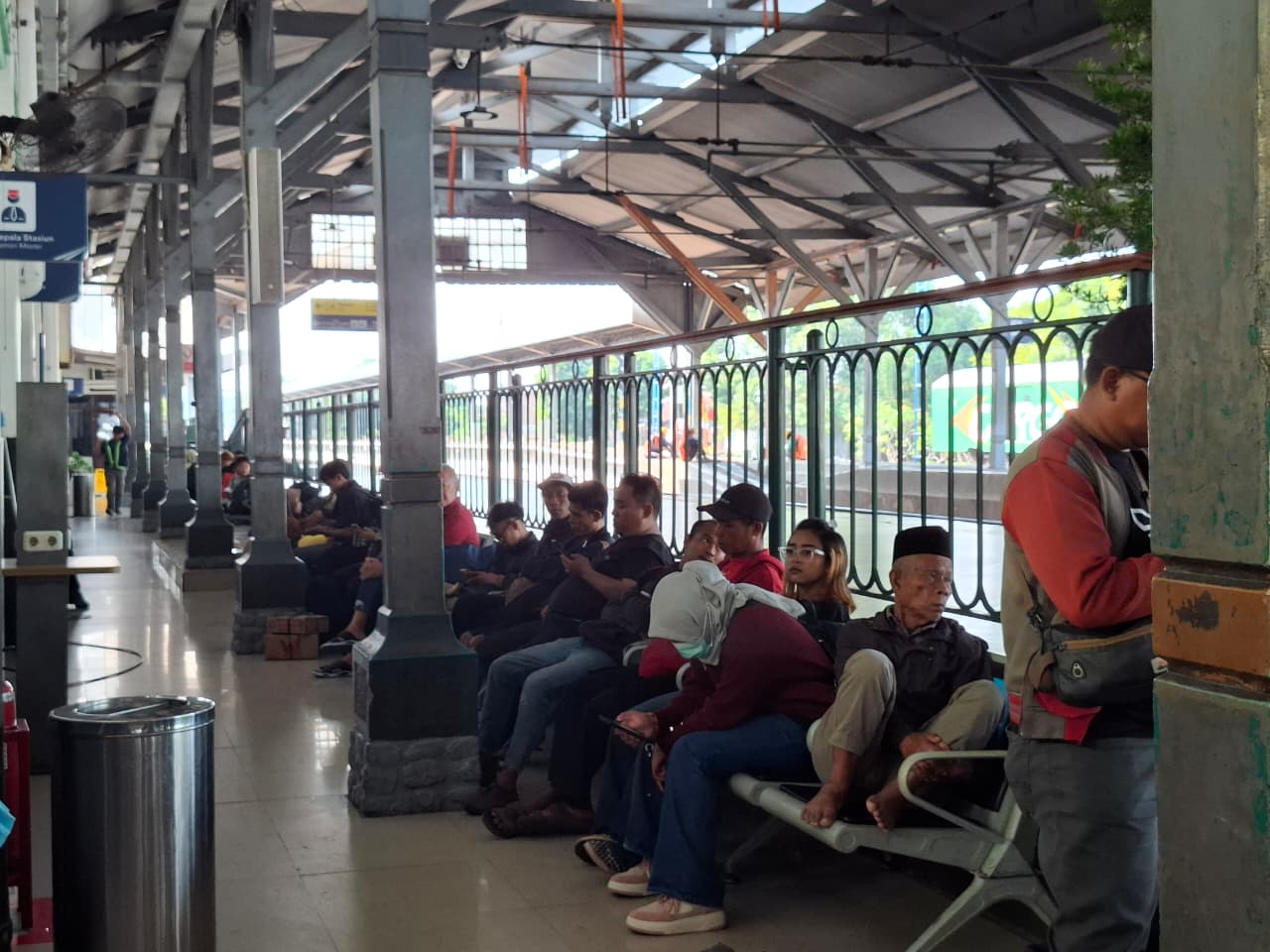
PT Kereta Api Indonesia (Persero) Operational Area 4 Semarang, Central Java, continues to strengthen regional connectivity through its agglomeration train services. During the first half of 2026, Tegal Station served 294,649 passengers across three agglomeration train services: Joglosemarkerto, Kaligung, and Kamandaka. This data underscores Tegal Station’s significant role as a key transport hub in the Pantura region, linking communities to various areas in Central Java and beyond. Of the total, the Kaligung service recorded the highest passenger numbers with 170,268 passengers, comprising 80,768 boarding and 89,500 alighting at Tegal Station. The Kamandaka service served 72,512 passengers, with 50,652 boarding and 21,860 alighting, whilst the Joglosemarkerto served 51,869 passengers, with 46,232 boarding and 5,637 alighting. KAI Daop 4 Semarang’s Public Relations Manager, Luqman Arif, stated that the high passenger volume demonstrates the crucial role of regional train services in supporting intercity mobility. He noted that Stasiun Tegal holds a strategic position in facilitating community movement across the Pantura region, with trains being used not only for long-distance travel but also for daily activities such as work, education, trade, and leisure. The Joglosemarkerto service, which connects various cities in Central Java and the Special Region of Yogyakarta, provides convenient intercity travel through a network linking key activity centres. Alongside Joglosemarkerto, the Kaligung and Kamandaka services offer safe, comfortable, affordable, and punctual mass transport alternatives. Luqman added that the high mobility through Tegal Station highlights the importance of intercity connectivity in driving regional economic activity, linking communities to education centres, economic zones, trade hubs, and tourist destinations. KAI Daop 4 Semarang is committed to continuously improving service quality through operational evaluations, capacity optimisation, and enhanced facilities at stations and on board, with the aim of making rail the primary choice for intercity travel.