
Neanderthals Performed Dental Drilling Without Anaesthetic
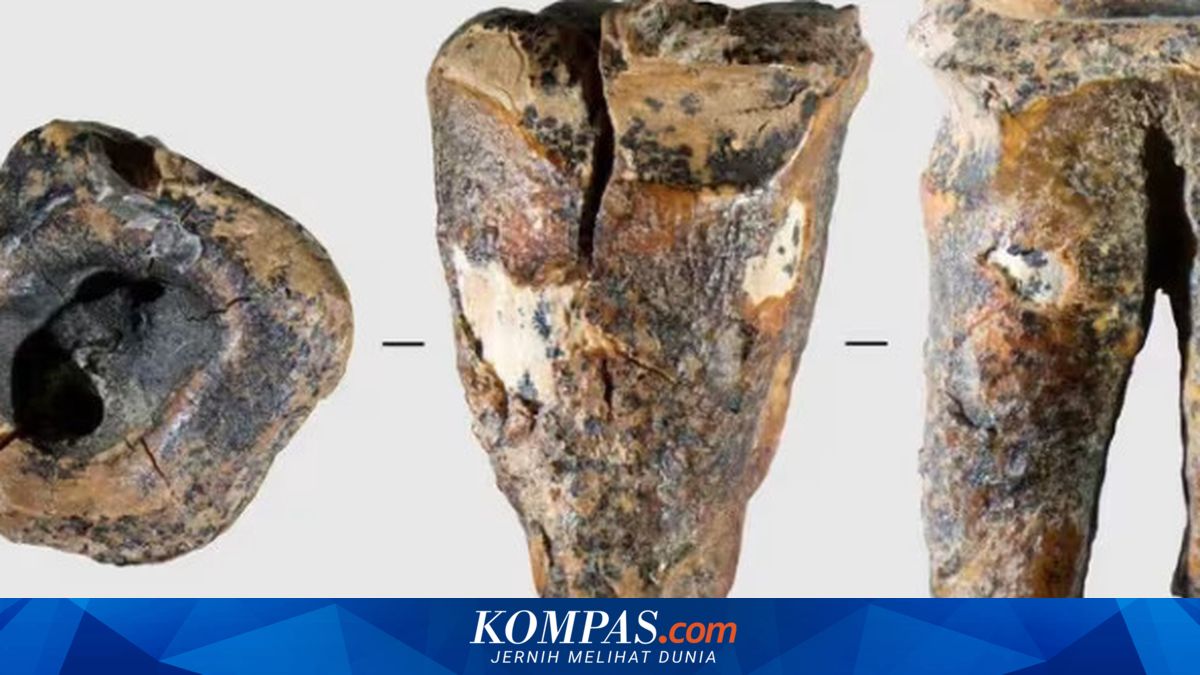
The stereotype of Neanderthals as primitive and brutish has been challenged once again. The discovery of a molar in Chagyrskaya Cave, in the Altai Mountains of Russia, proves that they performed complex medical procedures – such as drilling teeth – as early as 59,000 years ago.
The tooth, designated Chagyrskaya 64, was found with a large, irregular hole in its crown, extending to the pulp chamber (the area containing nerves and blood vessels).
Rather than simply being the result of decay, scans revealed signs of deliberate tool manipulation. The results were surprising: traces of consistent drilling and rotational movements were found, consistent with the use of a sharp stone tool.
Laboratory experiments conducted by stone tool expert Lydia Zotkina, using reconstructed tools made from jasper (found in the same cave), confirmed that the tooth tissue had indeed been deliberately removed. The procedure is believed to have been performed to clear an infection and relieve severe pain.
“What amazes me is how intuitive the owner of this tooth was in understanding where the pain was coming from and realising that the source could be removed,” said Alisa Zubova, lead researcher from the Russian Academy of Sciences, as quoted by CNN.
The findings, published in the journal PLOS One, mark an important milestone in the evolution of human health. This is the first evidence of a shift from “instinctive self-treatment” (such as chewing medicinal plants) to “planned and deliberate medical strategies”.
The research also highlights the cognitive sophistication and psychological resilience of Neanderthals. However, the discovery in Chagyrskaya Cave pushes this timeline back by tens of thousands of years and attributes it to a now-extinct human species. This data reinforces the evidence that the roots of invasive medicine and surgery do not belong exclusively to Homo sapiens, but are a shared heritage with our closest relatives, the Neanderthals.