
Navigating Palm Oil and Rubber Plantations: BRI Officer Ensures Financial Access in South Sumatra
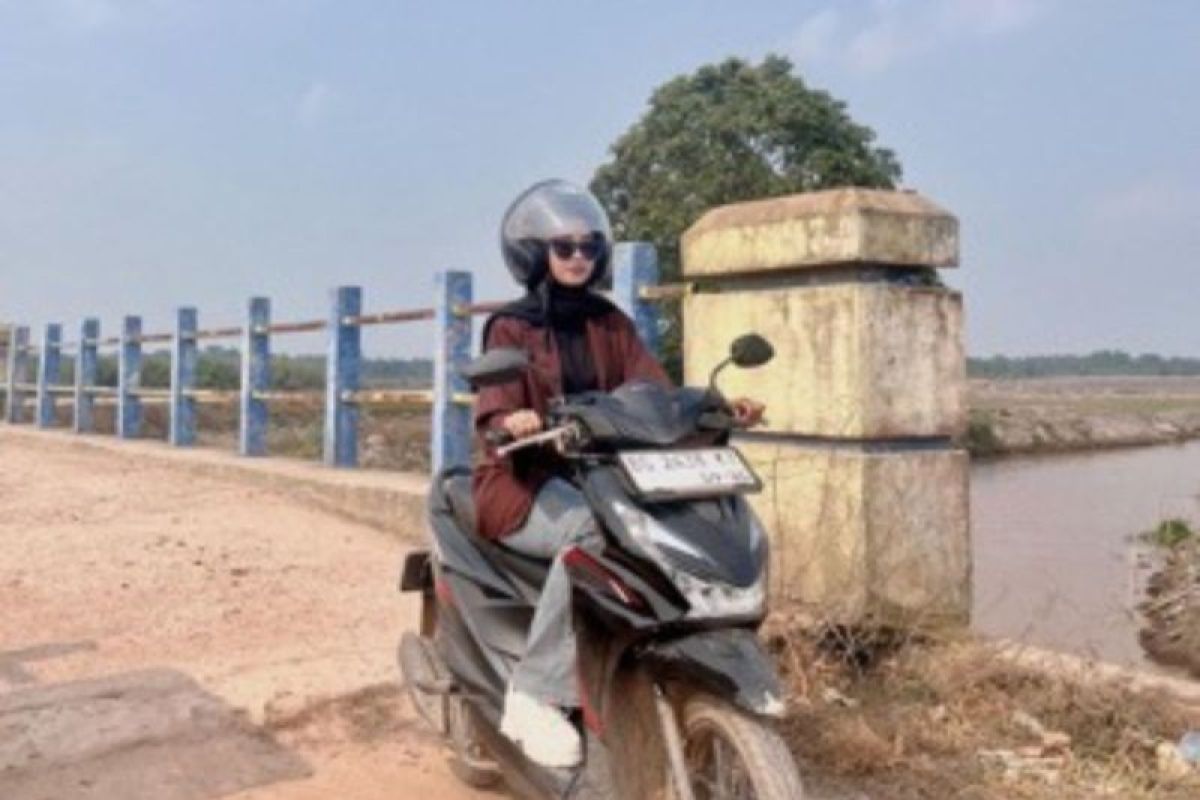
The Ogan Komering Ilir region in South Sumatra is characterised by vast plantations and rural landscapes. In many areas, travelling to settlements and business sites is not always easy; when it rains, dirt roads become slippery and muddy, making journeys to remote locations a significant challenge.
These terrain conditions are part of the daily duties for Alifia Naura Nazifah, a BRI Mantri at the Sumber Hidup Unit, under the BRI Kayu Agung Branch Office. She serves hundreds of debtors spread across Tanjung Makmur, Kayu Labu, and Sido Mulyo villages. Most of these individuals rely on palm oil and rubber plantations for their livelihoods, while others run grocery stores and confectionery businesses.
“My decision to join BRI as a Mantri was driven by a strong desire to contribute meaningfully to the economic empowerment of rural communities, particularly in South Sumatra. BRI has an extensive reach even to the most remote areas, so the role of a Mantri provides me with the opportunity to act as a bridge for financial access for those in need of capital,” said Alifia.
Travelling by motorcycle, Alifia traverses inter-village roads to meet debtors at their homes or plantations. She discusses business progress, listens to the challenges they face, and observes activities in the palm oil and rubber plantations firsthand.
“Building trust within village communities requires a humanistic approach based on local wisdom. I always strive to be open, friendly, and to present myself not merely as a banking representative, but as a discussion partner who understands their daily challenges,” Alifia explained.
This closeness helps her provide financing solutions tailored to business conditions, particularly through KUR (People’s Business Credit) and Kupedes for working capital, investment, and plantation rejuvenation needs. When roads to certain locations become impassable, Alifia coordinates with community leaders or heads of local farmer groups to ensure the debtors are present before heading into the field.
Her field experience has given Alifia a more personal perspective on her work. The various encounters with the community and the challenges faced during her duties have shaped her worldview.
“The greatest life lesson I have learned is the importance of empathy, perseverance, and gratitude. Interacting directly with hundreds of debtors has taught me that behind every approved credit file, there is a family’s hope for a more prosperous life, and being part of their struggle is an invaluable pride,” Alifia remarked.
BRI Corporate Secretary Dhanny stated that Alifia’s story demonstrates the vital role BRI Mantris play in the lives of rural communities.
“Roles like Alifia’s show that BRI Mantris hold an important position in building strong relationships with the community while directly understanding their business developments. This closeness is BRI’s strength in expanding financial inclusion through relevant services and financing, ensuring that BRI’s presence delivers a real impact for people across various regions,” concluded Dhanny.