
NAVI-HF Uses AI to Detect Lung Fluid in Heart Failure Patients
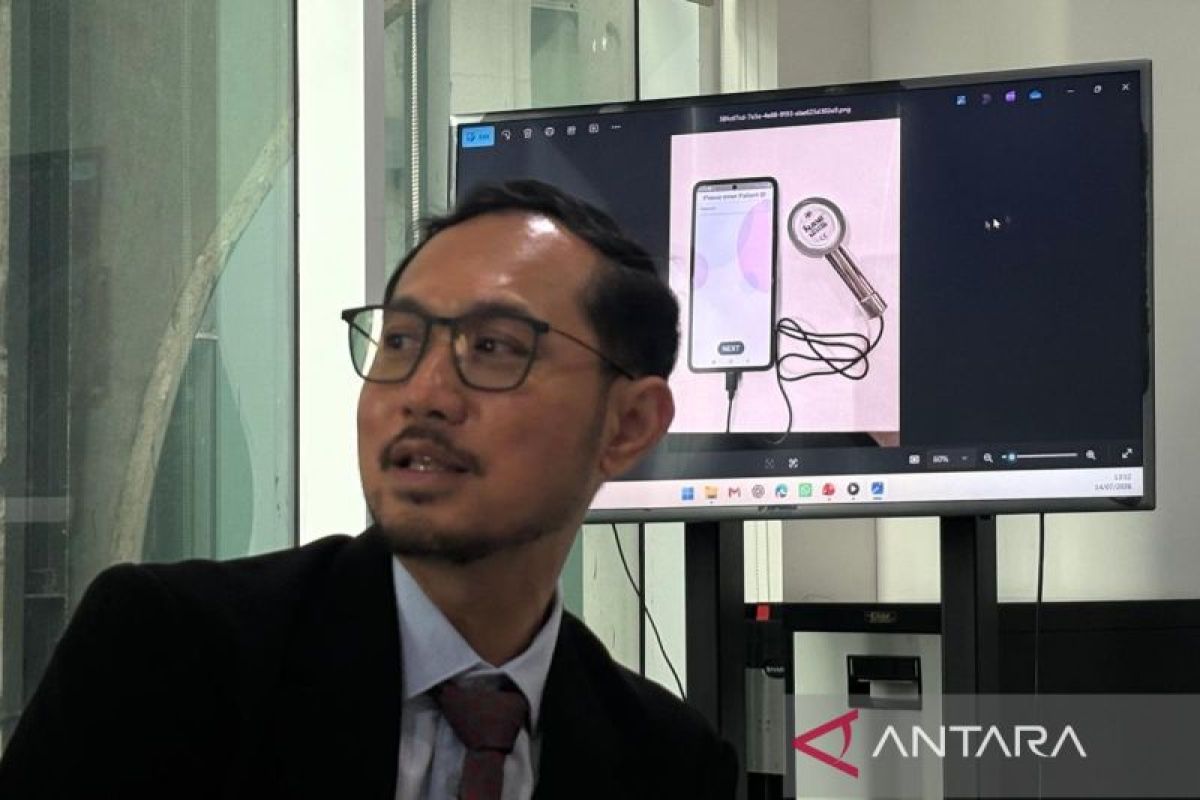
Jakarta (ANTARA) - A medical device using artificial intelligence called NAVI-HF has been developed by doctors from the University of Indonesia to detect signs of congestion or fluid accumulation in the lungs of heart failure patients more objectively. The lead researcher, Dr. dr. Rony Marethianto Santoso, a cardiologist and consultant in interventional cardiovascular and vascular medicine, said during a media briefing in Jakarta on Tuesday that the device uses AI to analyse sounds from the chest cavity. In its development, NAVI-HF was tested on 246 acute heart failure patients before they were discharged from hospital. The device recorded chest sounds from five thoracic areas, then analysed them using artificial intelligence. The accuracy rate of NAVI-HF is claimed to be 86 per cent, with a sensitivity of 91 per cent and specificity of 82 per cent. “The final model of the device showed good capability in detecting lung congestion compared to lung ultrasonography as the standard reference,” Rony said. Patients with a positive result tend to show more severe clinical conditions, more impaired heart structure and function, and higher NT-proBNP levels. “These findings indicate that NAVI-HF has the potential not only to help detect lung congestion but also to identify patients who require closer monitoring after discharge from hospital,” he said. Rony explained that the reason behind the innovation was that heart failure patients are often readmitted to hospital due to fluid accumulation in the lungs, which can occur even before clear symptoms appear. Meanwhile, standard stethoscope examinations are not always able to accurately recognise the early signs of fluid buildup. Therefore, the presence of this new AI-assisted innovation is expected to help identify heart failure patients at higher risk before they leave hospital. Although it still needs to go through further stages of refinement, Rony hopes that in the future the device will support earlier detection, better therapy planning, closer patient monitoring, and the development of hospital-based heart failure surveillance. The research team was led by Prof. Dr. dr. Suhendro, with team members Prof. Em. Wee Ser, Dr. dr. Aria Kekalih, and Dr. dr. Nuri Dyah Indrasari. The dissertation was presented at IMERI FKUI on 14 July 2026.