
NAVI-HF Innovation: AI Technology for Heart Failure Detection by Indonesian Doctor
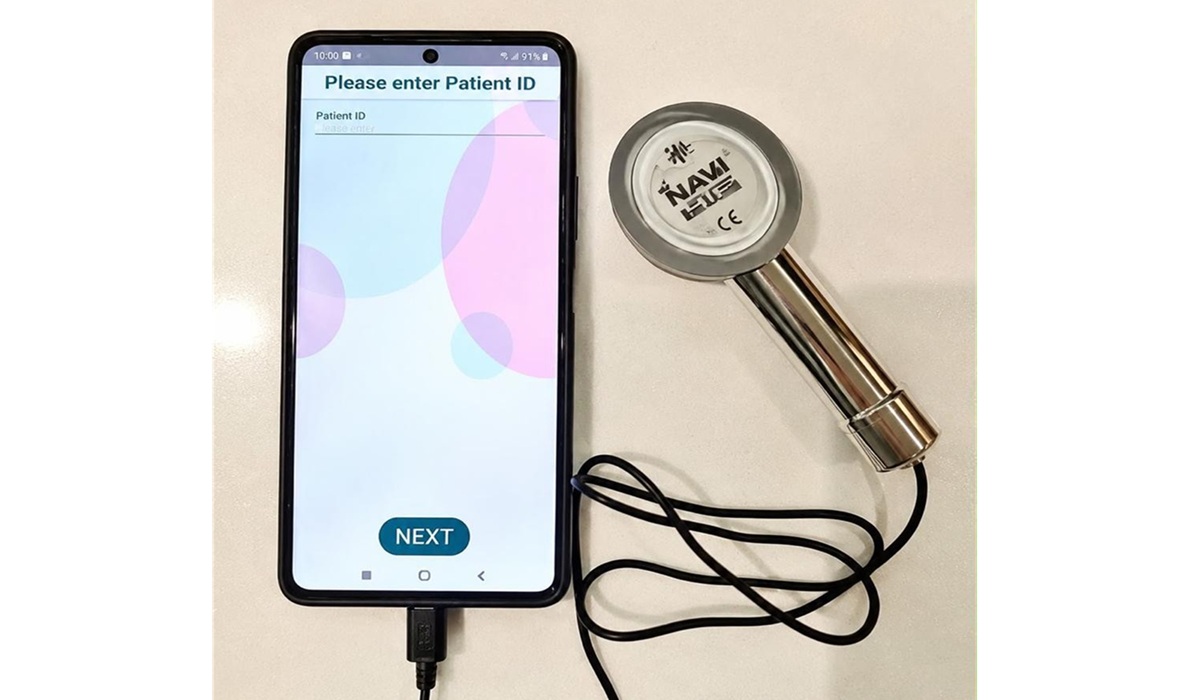
Heart failure remains a serious challenge for the healthcare system in Indonesia. According to data from the Asian-HF Registry, Indonesia now ranks second in Asia for the number of heart failure cases, just below China. This condition is exacerbated by high fatality rates and the risk of patient readmission. The high number of patients who must return for treatment is often triggered by residual pulmonary congestion, or fluid accumulation in the lungs, which goes undetected when the patient is discharged. The problem is that conventional detection methods such as the stethoscope have limitations, whilst advanced technologies like Lung Ultrasound or NT-proBNP blood tests require high costs and specialist personnel. Addressing this challenge, Dr. dr. Rony M. Santoso, SpJP, SubSp.K.I(K), FIHA, a cardiovascular specialist at Primaya Hospital Tangerang, created the Novel Auscultation Device of Artificial Intelligence for Heart Failure (NAVI-HF). This device was developed as part of his doctoral dissertation at the Faculty of Medicine, University of Indonesia (FKUI). NAVI-HF works by recording chest sounds from five examination points in a short time, approximately one minute. An AI algorithm then objectively analyses the recording to detect signs of pulmonary congestion that risk worsening the patient’s condition. Dr. Rony emphasised that the presence of NAVI-HF is not intended to replace the role of medical personnel. “The main goal is to be an assistive tool that makes it easier to identify high-risk patients earlier. With this simple and portable device, doctors can ensure the patient’s condition is truly stable before they are allowed to go home,” he said. This technology is also projected to have a bright future in supporting telemedicine services and home-based patient monitoring. With faster and more accurate detection, it is hoped that the burden on the national healthcare service can be reduced in line with the improvement in the quality of life for heart failure survivors in Indonesia.