
Natuna Gas Pipeline Successfully Connected to Pemping Island Using Hot Tap Technique
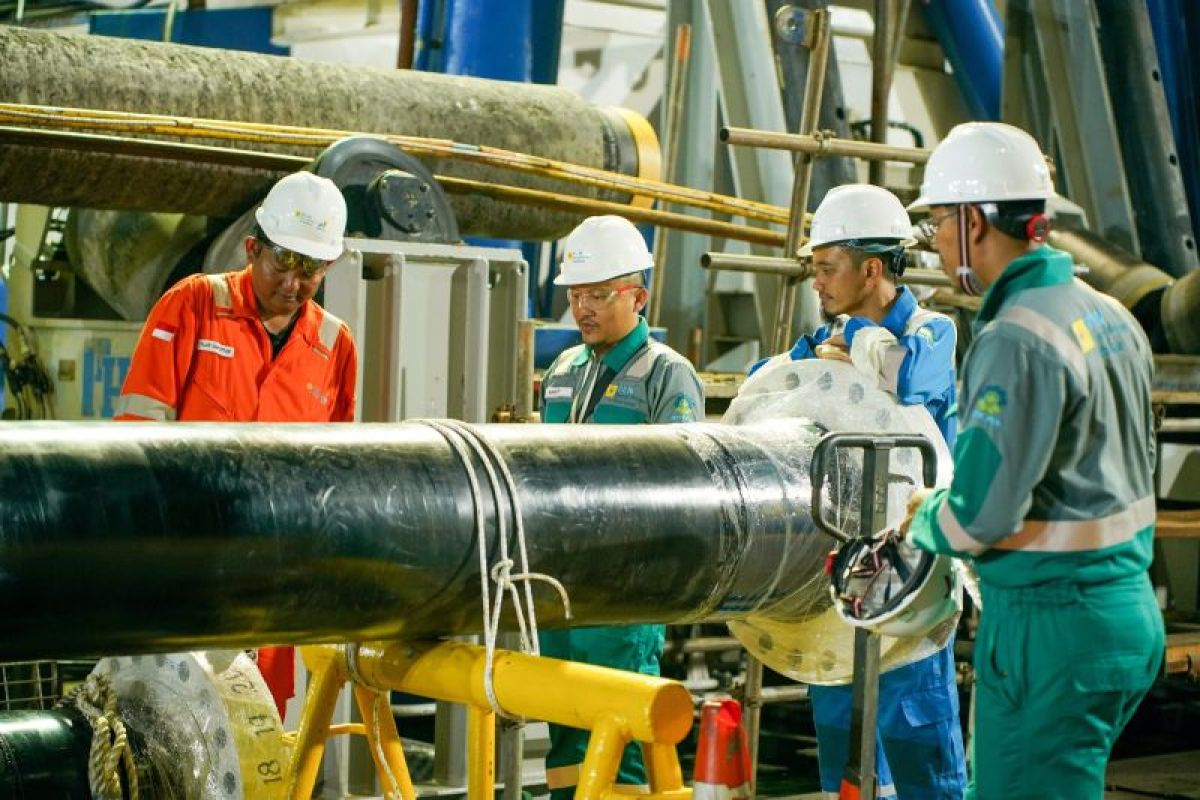
The gas flowing from Natuna to Pemping Island will subsequently be distributed to the Tanjung Uncang area to meet the energy needs of businesses and residents in Batam City. PLN EPI President Director Rakhmad Dewanto stated in Jakarta on Friday that the connection, using a hot tap technique without stopping operations, was the most crucial stage in building the gas infrastructure that will link Natuna’s gas supply with domestic energy demand, particularly in Batam, Riau Islands. This success represents an important step in strengthening national energy security whilst supporting the President’s Astacita for national energy resilience through optimising the use of domestic energy resources. This completion also marks a historic milestone for the national energy sector. “For the first time, Natuna gas, which has so far been entirely utilised for the export market, will begin to be channelled to meet domestic energy needs, specifically supporting the electricity systems in Sumatra and Batam,” said Rakhmad. The hot tap process is a technique for connecting a new pipe to a main pipeline network that remains operational without stopping the gas flow, which has a flow rate of around 300 million cubic feet per day and a pressure of 1,096 psi at a sea depth of 29 metres, without causing leaks, making it one of the stages with a high level of risk and technical difficulty. Rakhmad said the completion of the hot tap is a significant achievement demonstrating the project’s readiness to enter the final phase before gas delivery. “This success shows that PLN EPI is capable of carrying out the mandate from the Minister of Energy and Mineral Resources to build and operate the WNTS-Pemping pipeline to ensure a reliable, efficient, and sustainable gas supply, especially for the electricity systems in Sumatra and Batam,” he said. This achievement, he continued, also reflects the project’s technical readiness and the strong synergy among stakeholders in realising strategic national energy infrastructure. “The project will next enter the commissioning and initial gas delivery phase with a volume of approximately 25 million cubic feet per day to support the needs of the Batam electricity system,” Rakhmad explained. Meanwhile, SKK Migas Head Djoko Siswanto expressed hope that commissioning could be carried out the following week. “In parallel, the SKK Migas team is currently preparing gas for commissioning so that gas from Natuna can flow to the Republic of Indonesia for the first time, something that has been awaited for many years,” he explained. Rakhmad added that for PLN EPI, the arrival of the Natuna gas supply will strengthen the primary energy supply for PLN’s power plants in Sumatra and Batam, particularly the 135.29 MW Tanjung Uncang PLTGU and the 109.4 MW Tanjung Uncang IPP PLTGU owned by PT Energi Listrik Batam. PLN EPI has also signed a gas sale and purchase agreement with West Natuna Exploration Limited for gas supply of up to 111 million cubic feet per day during the 2027-2037 period. Besides enhancing the reliability of the electricity system, he explained, the use of natural gas will also reduce the risk of fuel oil usage whilst supporting electricity reliability and emission reduction efforts. “In addition to the gas supply from WNEL, PLN EPI expects additional gas supply to increase the reliability of primary energy supply for PLN and PLN Batam’s power plants. Besides being more efficient and domestically sourced, the use of gas is also cleaner compared to fuel oil,” said Rakhmad. The construction of the WNTS-Pemping pipeline also ensures a reliable and efficient gas supply to strengthen Batam’s competitiveness as a national centre for industry, logistics, and investment. This infrastructure serves as an important foundation in supporting the growth of industrial zones, manufacturing, and the digital economy, which require a stable and sustainable energy supply. “The WNTS-Pemping project involved more than 700 workers from the fabrication process to offshore, nearshore, and onshore work. With the completion of the hot tap stage, the project is now entering the final phase before Natuna gas officially flows to support national energy security and economic growth,” Rakhmad noted.