
NATO Summit Restrictions Impact Residents in Turkish Capital
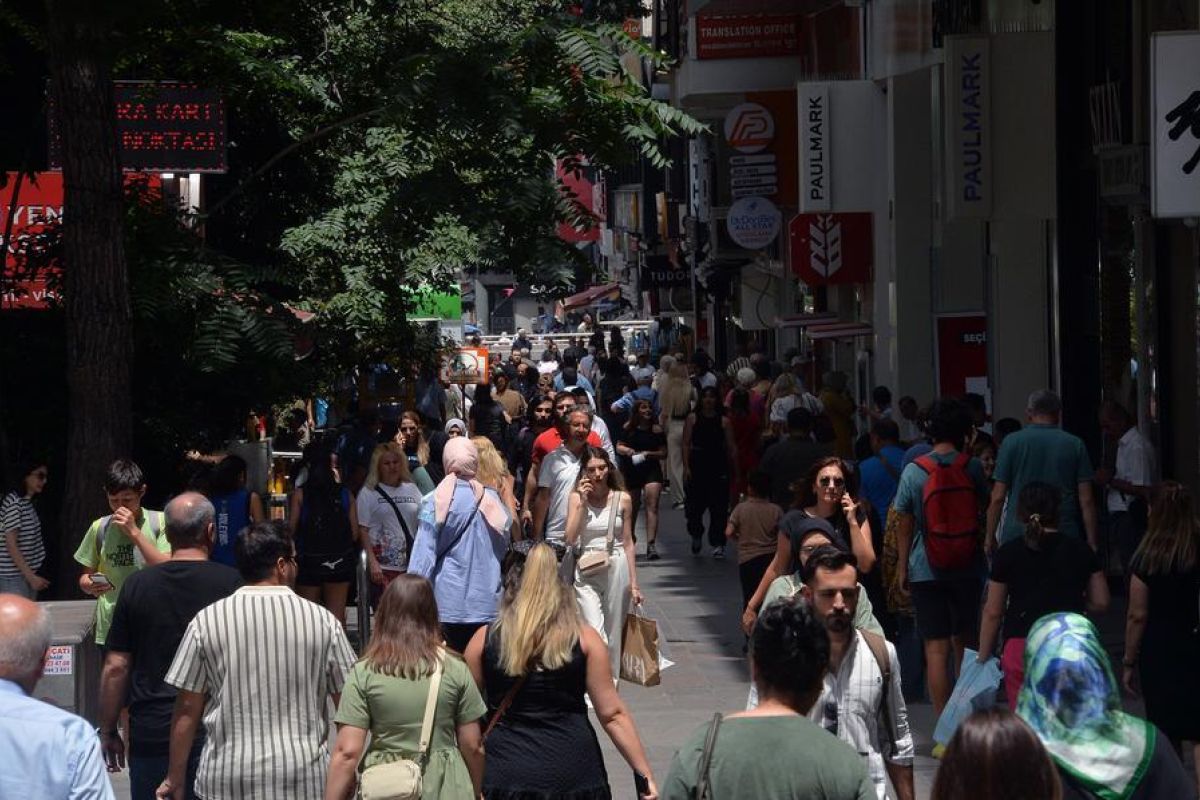
As Ankara prepares to host the meeting of North Atlantic Treaty Organization (NATO) leaders, residents across the Turkish capital are bracing for a week of road closures, heightened security, and extensive restrictions expected to disrupt daily life during one of the busiest periods of the summer. The NATO Heads of State and Government Summit, scheduled for 7-8 July, will bring together leaders from the alliance’s 32 member countries, along with thousands of delegates, security personnel, journalists, and support staff, making it one of the largest international events ever hosted by Ankara. Authorities have announced extraordinary security arrangements that extend beyond the two-day summit itself. A total of 70,000 security personnel will be deployed during the summit, according to Turkey’s semi-official Anadolu Agency. The Ankara governor’s office has banned all meetings, demonstrations, sit-ins, and marches from 28 June to 10 July. Public events, including concerts, festivals, and large gatherings, have also been restricted, while extensive traffic controls are expected around the summit venue, delegate hotels, and key transport routes. Businesses located near government buildings and major hotels are also preparing for a potentially challenging week as security perimeters expand and access becomes increasingly limited. The anticipated disruptions have become a major topic of conversation among residents and business owners in the city of more than 5 million people. “I leave home earlier every morning to avoid traffic jams, but during the summit, I don’t know how long I will spend commuting,” Gamze Gursoy, a dentist living in the Cankaya district, told Xinhua. Physiotherapist Atilgan Koyuncu said staff at his clinic have been discussing contingency plans if restrictions make travelling to work difficult. “If the restrictions are extensive, some people may not be able to reach their workplaces or see their patients,” he said. Security expert Ozgur Eksi said large-scale international summits inevitably require extraordinary precautions. “Hosting dozens of heads of state and government simultaneously presents enormous security challenges. This naturally causes disruption for local residents,” he said. According to Eksi, Ankara’s role as the host city means authorities must balance maintaining normal urban activity with implementing necessary security measures. “The challenge is to minimise the impact on daily life while ensuring security standards,” he said. A former military airport in Ankara has been renovated to accommodate protocol flights arriving for the event, helping to relieve pressure on Esenboga Airport, the Turkish capital’s main international gateway. Public sector employees across Ankara’s central districts have also been placed on administrative leave from 6 to 12 July to help reduce traffic congestion. As Turkey seeks to strengthen its position as a key diplomatic actor within NATO and the broader international community by hosting the meeting, the public is primarily focused on the practical disruptions and everyday consequences of such a large-scale event. “The public understands why security measures are necessary. The main concern is whether we can get to work, take our children to school, or move around the city without spending hours in traffic jams,” he said.