
Nationwide Blackout Hits Cuba, Government Scrambles to Restore Power
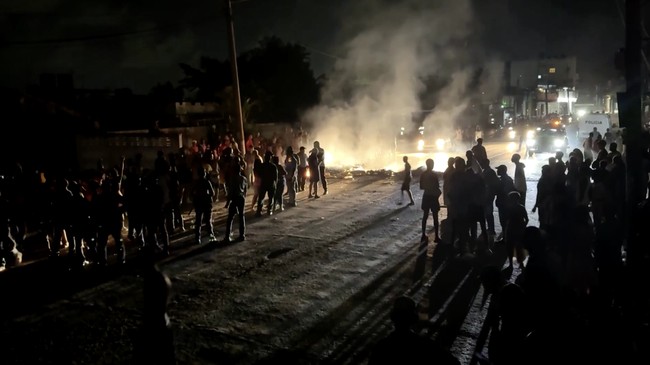
Cuba was hit by a national electricity crisis after the country’s main power grid collapsed on Monday (6/7/2026) local time, triggering a mass blackout across the island. The incident is the latest blow for the Caribbean nation, which has been grappling with an energy crisis, fuel shortages, and limited medical supplies for months.
National grid operator Unión Eléctrica (UNE) stated that the process of restoring power supply began gradually on the same day. However, by Monday afternoon, electricity had only been supplied to vital services such as hospitals and food production centres. UNE reported that the restored capacity in the capital, Havana, was only able to meet about 1% of the city’s total electricity demand. The government has yet to disclose the cause of the national grid’s collapse.
The crisis worsens conditions for a population already accustomed to power cuts lasting hours or even days. The prolonged disruptions are attributed to the country’s ageing electrical network and a US blockade on oil supplies, which limits fuel availability on the island. The nationwide blackout and slow recovery process are adding to the burden on Cubans, who are exhausted by rolling blackouts that make working and resting difficult amid the high Caribbean summer temperatures.
‘Look at my face, it says it all,’ said Ariel Sotelo, a 57-year-old Havana resident who had been without electricity since the previous day, according to Reuters. ‘We just have to endure and accept it, but it is not easy at all,’ he said. By the time the national grid completely collapsed on Monday, nearly two-thirds of Cuba was already experiencing power outages. As a result, many residents accustomed to living without electricity or communication access barely noticed a difference when the national network finally ceased operations.
In a national television broadcast, the government even asked residents who were fortunate enough to still have power to inform friends and neighbours without access to information about the grid’s collapse. Monday’s nationwide blackout was the eighth such incident since October 2025 and the third this year.
Cuba’s energy situation has further deteriorated after the administration of US President Donald Trump halted fuel shipments from Venezuela to Cuba earlier this year. Washington has also pressured Mexico to stop oil shipments to Cuba and threatened tariffs on any country that continues to supply fuel to the island. The US government labels the Cuban government a national security threat and argues that sanctions are necessary to force a change of government, a long-standing goal of Washington’s foreign policy. Cuba, located just 145 kilometres from the Florida Keys, consistently denies these accusations and insists it is not a threat to the United States.
For most Cubans, however, the immediate challenges are practical rather than political. ‘The heat, the mosquitoes, it’s all unbearable,’ said Omar Ortega, a 60-year-old Havana resident. ‘How long will this situation continue? Frankly, we can’t take it anymore,’ he said.