
National Waste Emergency: BRIN Says 70% of Waste Can Be Managed at Home
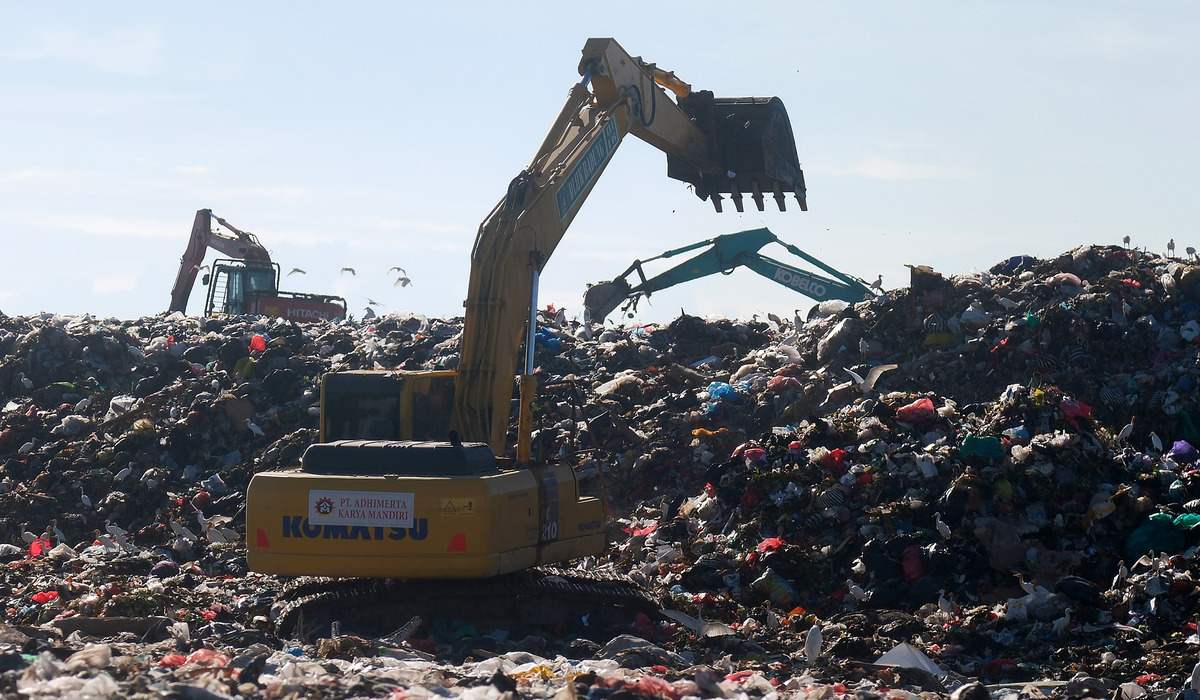
The national waste emergency sweeping through various major cities in Indonesia is deemed to be significantly reducible if waste management is implemented from the source, namely households. Senior Researcher at the National Research and Innovation Agency (BRIN), Sri Wahyono, states that up to 70% of waste can actually be resolved without ending up at the Final Processing Site (TPA).
In her presentation, Sri explains that the composition of waste in Indonesia is dominated by organic waste, particularly food scraps. If this type of waste is managed independently at the household level, around 50% of the national waste burden can be directly addressed.
“If every household handles its food waste themselves, the waste problem would actually be halved,” Sri said at the event titled Waste Management and Policy Facilitation in Regions, on Thursday (9/4/2026).
In addition to organic waste, Sri adds that about 20% of other waste materials are items that still have economic value and can be recycled, such as plastics, paper, and metals. Thus, a combination of household organic management and recycling practices has the potential to hold back up to 70% of waste volume from entering the TPA.
According to her, this upstream approach is far more effective than relying solely on downstream technology. To date, many local governments still depend on TPAs as the primary solution, whereas ideally, such facilities should only be intended for residue or waste that truly cannot be processed further.
Although simple technologies are already available, Sri emphasises that the biggest challenge does not lie in the technical aspects, but rather in changing societal behaviour. The lack of habits in sorting waste at the source remains the main cause of the high volume of waste accumulating at TPAs.
At the neighbourhood and city levels, waste management does require more complex technologies, such as processing into alternative fuels or Refuse Derived Fuel (RDF) up to Waste-to-Energy Power Plants (PLTSa). However, Sri reminds that without sorting from upstream, these advanced technologies will not function optimally.
The current waste emergency is evident in several major cities such as Greater Bandung, Yogyakarta, and Denpasar, which are facing immense pressure due to limited TPA capacities. Therefore, household-based waste management becomes the primary key to addressing the national waste emergency in a sustainable manner.
Source: jawawa.id (https://jawawa.id/newsitem/national-waste-emergency-brin-says-70-of-waste-can-be-managed-at-home-1775721063)
Originally published by Media Indonesia (https://mediaindonesia.com/humaniora/877766/darurat-sampah-nasional-brin-70-persen-sampah-bisa-selesai-di-rumah), translated from Indonesian