
National Transport Day: B50 Programme for Transport Energy Resilience
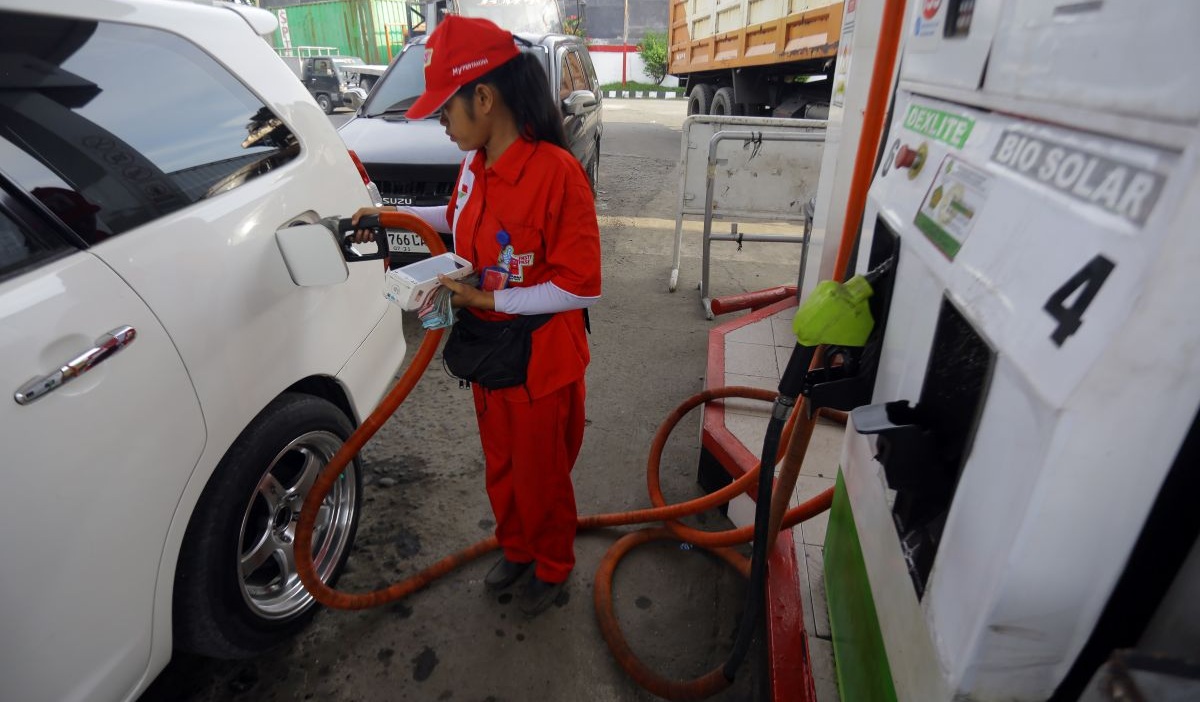
Energy resilience is a fundamental pillar in building a robust, integrated, and sustainable national transport system. The commemoration of National Transport Day on 17 September serves as an opportunity to strengthen synergy between the energy and transport sectors, including through the utilisation of domestic energy sources to meet transport needs via the B50 programme.
Energy resilience observer, Feiral Rizly Batubara, believes that B50 can serve as a key instrument in strengthening Indonesia’s energy security, as a portion of transport energy requirements can be met through domestic resources. He noted that this has the potential to reduce dependency on oil and global market dynamics.
“B50 is not merely a fuel substitution policy. It is part of an effort to build energy sovereignty, which is Indonesia’s ability to meet its energy needs using its own resources,” Feiral stated in a written release on Thursday (17/9).
Currently, the transport sector is the largest consumer of fuel nationally, accounting for approximately 50% to 91% of Indonesia’s total fossil fuel consumption. The Minister of Energy and Mineral Resources, Bahlil Lahadalia, previously explained that Indonesia’s fuel and crude oil supplies originate from various countries.
He noted that 62% of Indonesia’s fuel supply comes from Singapore, 3_5% from Malaysia, and 3% from other nations. Meanwhile, for crude oil imports, 16% comes from Saudi Arabia and African nations such as Nigeria, Angola, Gabon, and Kazakhstan.
Feiral remarked that National Transport Day could serve as an important momentum for Pertamina. As the state-owned enterprise providing energy in Indonesia, the implementation of the B50 programme can be a concrete effort to strengthen energy resilience. “The greater the ability to meet energy needs from within the country, the stronger the national economy’s ability to withstand external pressures,” he said.
Meanwhile, the Director of Indonesian Resources Studies (IRESS), Marwan Batubara, also assessed that the use of biodiesel could be part of an energy security strategy. He noted that the use of fuel based on crude palm oil (CPO) is a form of utilising domestic resources for national energy needs.
However, Marwan argued that the strengthening of B50 must be accompanied by the integrated management of raw material supplies. This is to ensure that energy needs remain balanced with food and other industrial requirements. “The government’s role in guaranteeing the availability of domestic supply is crucial to maintaining the sustainability of biodiesel utilisation,” said Marwan.
On the other hand, Pertamina Patra Niaga (PPN) has announced that the target for B50 biodiesel distribution will reach 100% across all gas stations (SPBU) by late September or October 2026.
Currently, B50 distribution is reported to have reached 95% across all gas stations in Indonesia. The remaining 5% of areas that have not yet fully transitioned are located in Papua and Maluku, as they are still in the stage of exhausting remaining B40 stocks.
Source: jawawa.id (https://jawawa.id/newsitem/national-transport-day-b50-programme-for-transport-energy-resilience-1789642550)
Originally published by Media Indonesia (https://mediaindonesia.com/ekonomi/934515/hari-perhubungan-nasional-program-b50-untuk-ketahanan-energi-transportasi), translated from Indonesian