
National Survey: Society Feels Positive Impact, Public Supports Free Nutritious Meals Programme
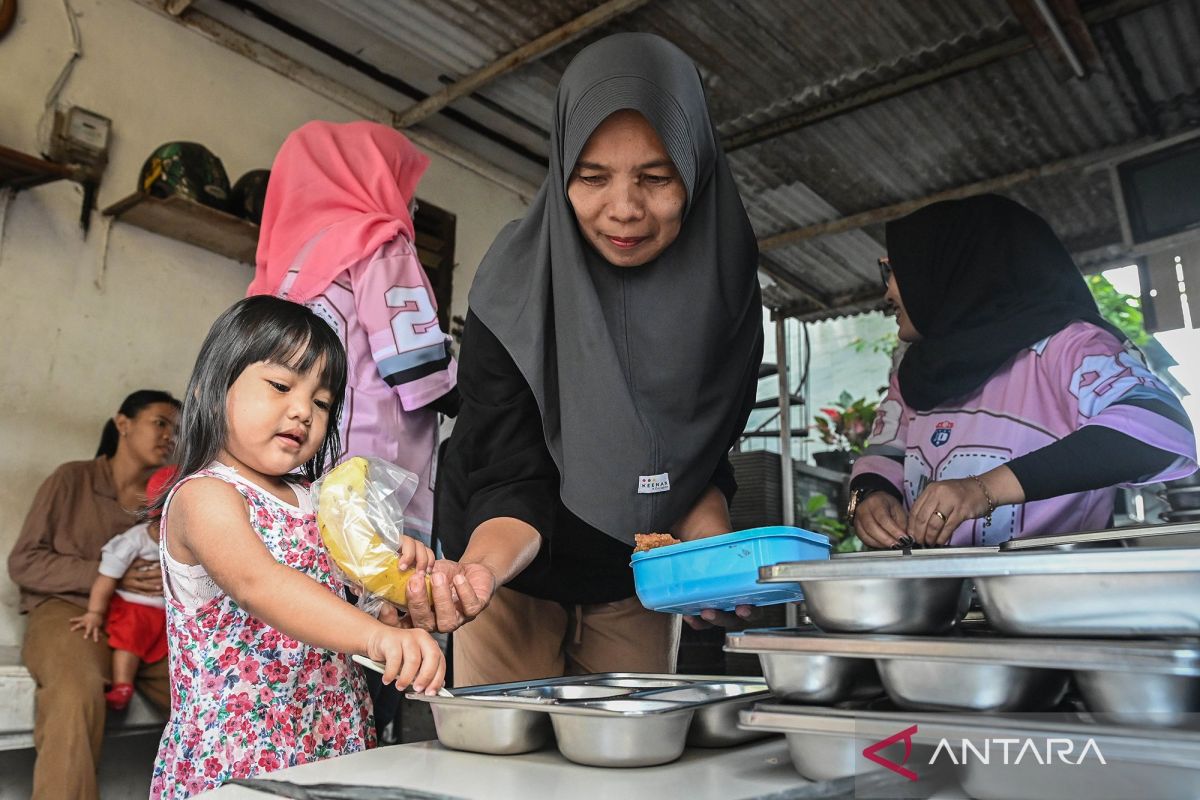
With strengthening of the local supply chain and ongoing evaluation, the MBG is predicted to continue as a main pillar towards Golden Indonesia 2045. Jakarta (ANTARA) - A national survey conducted by the Poltracking Indonesia survey institute indicates that the Free Nutritious Meals Programme (MBG), which initially sparked various discussions upon its launch, has now proven to be a key driver of public satisfaction and a catalyst for grassroots economic growth. Lead Researcher of Poltracking Indonesia, Masduri Amrawi, stated that based on the survey conducted by the institution, the level of public trust in the Prabowo-Gibran government reaches 75.1 percent, of which 74.1 percent assess the success of the Free Nutritious Meals Programme (MBG). “We delved deeply into the priority programme MBG. From this data, 88 percent of the public know about this very popular and phenomenal programme, although those satisfied with the programme are 55 percent,” he said in his statement in Jakarta on Saturday. Furthermore, he continued, the survey data shows that 36.5 percent of the public consider MBG as the programme whose benefits are most directly felt, surpassing other assistance programmes such as wage subsidies or health services. According to Masduri, the Free Nutritious Meals Programme is not merely free school lunches, but a new foundation for food security as well as a government intervention in building the quality of Indonesians. Meanwhile, Chairman of the Bina Kasih Farmers’ Group in Kadiwano Village, Wewewa Timur Subdistrict, Southwest Sumba, East Nusa Tenggara (NTT), Samuel Seronadi, stated that the MBG programme has a positive impact on farmers. He recounted that 21 farmers in the group are cultivating various vegetables such as long beans, beans, Japanese pumpkins, and mustard greens on their respective lands to meet the MBG supply in their village. “With the presence of MBG in our area, our crops sell well, no longer needing to struggle to go to the market,” he said. Samuel also admitted that before the MBG kitchen existed, the agricultural produce they brought to the market was plentiful and not fully absorbed by the market, but now the farmers’ group has reopened land to meet the supply for the MBG kitchen in their area. “We are grateful for the presence of MBG; our farming produce is absorbed, our children can eat regularly. In Eastern Indonesia, schoolchildren sometimes do not eat if they go to school early in the morning. Including my own child,” he said.