
National SEZ Board Records Rp32 Trillion Investment Realisation
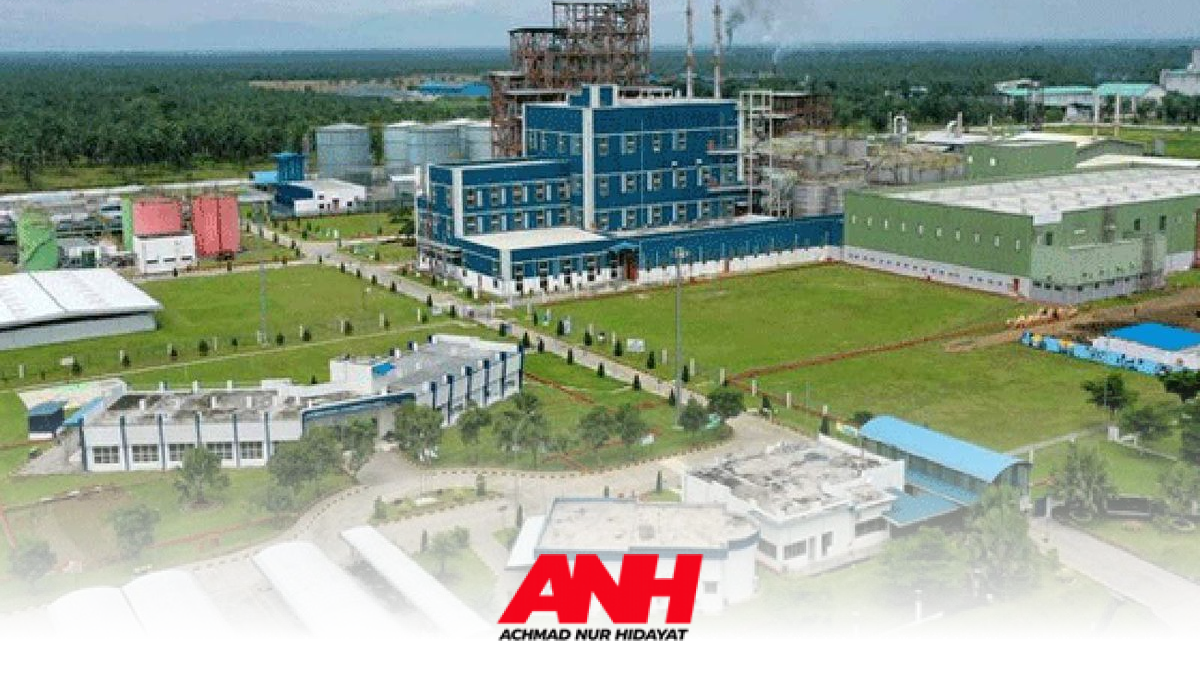
The National Special Economic Zone (SEZ) Board has reported that investment realisation within SEZs reached Rp32 trillion in the first semester of 2026. This figure is dominated by foreign direct investment (FDI) amounting to Rp24 trillion, alongside domestic direct investment (DDI) of Rp8 trillion. This achievement has successfully created 34,162 new jobs for the community.
Overall, from 2012 to 28 July 2026, accumulated investment in SEZs has reached Rp368 trillion, sourced from 444 business entities and entrepreneurs. Total cumulative labour absorption during this period is recorded at 283,234 people.
Susiwijono Moegiarso, Secretary of the Coordinating Ministry for Economic Affairs and Chairman of the SEZ National Board Implementation Team, emphasised the importance of maintaining a conducive national investment climate. “Investor confidence is built not only through incentives but also through regulatory certainty, rapid resolution of obstacles, and consistent communication between the government and the business world,” stated Susiwijono Moegiarso in an official statement on Sunday (2/8/2026).
The government is directing the strategic development of SEZs to boost investment competitiveness by strengthening the industrial downstreaming ecosystem and the digital economy. This is being implemented through the integration of bauxite, alumina, and aluminium production in the Galang Batang SEZ, as well as the operation of the 50 km Nongsa–Changi undersea cable with a capacity of 1.6 petabits per second.
The Acting Secretary General of the SEZ National Board, Rizal Edwin Manansang, explained the significant contribution of these economic zones to Indonesia’s economic transformation. “Strategic achievements in this period include the strengthening of industrial downstreaming, advanced manufacturing, international healthcare services, and the preparation of a sustainable green energy ecosystem,” said Rizal Edwin Manansang.
Several SEZs have recorded new investment plans, including the Gresik SEZ, which attracted US$600 million for a melamine plant from PT GEABH Joint Technology, and PT Evyap Sabun Indonesia in the Sei Mangkei SEZ with US$130 million. Additionally, the Kendal SEZ has commenced a factory project by PT Hoi Fu valued at Rp1.12 trillion, while the Batang Industropolis SEZ has established a green energy partnership with a Hungarian investor.
“The future direction of SEZ development will be strengthened with a more comprehensive approach, no longer solely oriented towards investment value, but also ensuring the impact on the national economy and the surrounding regional economies,” added Rizal Edwin Manansante.
The government is also focusing SEZ development on tourism and education, including King’s College London in the Singhasari SEZ, as well as vocational labour training supported by a budget of Rp6.26 trillion.
Budi Santoso, Vice Chairman II of the SEZ National Board Implementation Team, explained the parameters for the successful management of these economic zones. “The success of SEZs is measured not only by the magnitude of incoming investment but also by their contribution to job creation, increased added value, and the benefits felt by the community,” explained Budi Santoso.
Future evaluation indicators will be adjusted according to the theme of each zone, such as export value for industrial SEZs, tourist numbers for tourism SEZs, and the absorption of skilled labour for digital SEZs. “This approach is expected to provide a more complete picture of each SEZ’s contribution to the national economy, while serving as a basis for strengthening governance and evaluation discipline moving forward,” concluded Budi Santoso.