
National Retailers Boost Shopping Tourism to Sustain Economic Growth
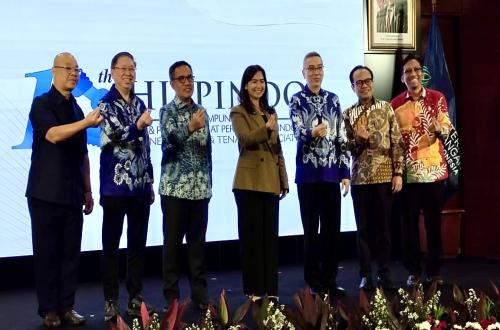
The national retail industry is relying on an increase in shopping tourism and domestic consumption to maintain growth amidst economic uncertainty, fluctuations in the Rupiah exchange rate, and the potential for a slowdown in consumer spending during the second half of 2026.
Budihardjo Iduansjah, Chairman of the Indonesian Association of Retailers and Shopping Centre Tenants (Hippindo), stated that the retail sector is currently being supported by the school holiday momentum following the peak Eid al-Fitr shopping period. He noted that holiday seasons and the influx of tourists serve as vital pillars for shopping centres to maintain visitor traffic and sales.
“The retail peak indeed occurs during Eid. After that, there is usually a decline, but currently, we are still being assisted by the holiday season and programmes that encourage tourist visits,” said Budibardjo during the launch of the BINA Holiday and Back to School 2026 programme on Monday (8/6/2026).
Hippindo is collaborating with local governments and the tourism sector to increase visits from shopping tourists. Budihardjo mentioned that approximately 40 per cent of retail turnover in Jakarta originates from tourism activities, making the increase in tourist numbers a primary strategy to sustain consumption amidst economic challenges.
He acknowledged that the strengthening of the US Dollar has begun to affect some businesses, particularly those dependent on imported goods. However, the impact remains limited as many retailers have completed payments and stock procurement since last year. The main concern remains the period from August to November, when seasonal shopping momentum begins to wane. “We remain optimistic about maintaining retail growth this year at around 5 to 9 per cent,” he added.
On the other hand, the government believes that strengthening the national trade and retail ecosystem is key to maintaining economic growth while extending economic benefits to small businesses, women, and the younger generation.
Deputy Minister of Trade Dyah Roro Esti Widya Putri stated that household consumption remains the main pillar of the Indonesian economy. In the first quarter of 2026, Indonesia’s economy grew by 5.61 per cent year-on-year, with household consumption growing by approximately 5.52 per cent, contributing about 54 per cent to the Gross Domestic Product (GDP).
Consequently, the government continues to strengthen collaboration with retailers through the ‘Belanja di Indonesia Aja’ (Shop in Indonesia Only) programme to maintain public purchasing power and encourage the purchase of domestic products.
“We have been synergising through various initiatives. Last year, many activities were organised together, one of which was the Belanja di Indonesia Aja programme,” said Dyah. She added that increasing domestic consumption benefits not only the modern retail sector but also creates a multiplier effect for MSMEs, artisans, and various supporting sectors within the national supply chain.
To strengthen the resilience of the retail sector, the government and businesses are also encouraging the development of shopping tourism. Deputy Minister of Tourism Ni Luh Puspa stated that Indonesia needs to build a more integrated shopping tourism concept so that tourists do not only visit destinations but also purchase superior regional products.
The government has prepared various transport incentives during the school holiday period, including discounts on train, sea, and air tickets, to increase tourist mobility and economic activity across various regions. For retailers, increasing the number of tourists and domestic consumption is one of the most realistic strategies to face economic pressures in the coming months. Through the BINA Holiday and Back to School 2026 programme, which runs until 12 July, the government and businesses hope that domestic money circulation remains stable, local product sales increase, and national economic growth targets can be maintained despite looming global challenges.