
National Police Chief's Pilgrimage to Gus Dur and Soekarno's Tombs Holds Deep Meaning, Not Mere Ceremony
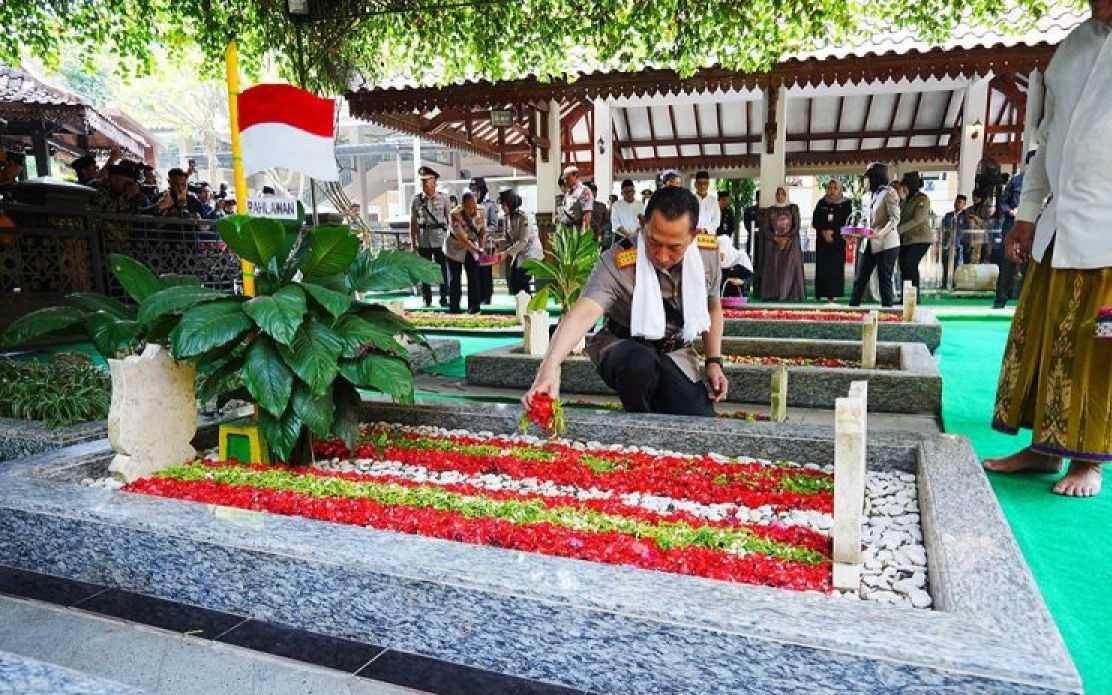
The Coordinator of Indonesia Cerah, Febri Wahyuni Sabran, assessed that National Police Chief General Listyo Sigit Prabowo’s pilgrimage to the tombs of several national figures and former presidents was not merely a ceremonial visit. Listyo interpreted the pilgrimage as a profound inner journey to absorb the noble values of leadership inherited from the nation’s founders. Febri viewed the agenda as an important gesture in strengthening the moral connection between today’s leaders and the history of the nation’s struggle.
“Learning from history is not just about knowing the historical timeline, but how we honour and emulate the virtues they passed down. And that is what National Police Chief Listyo Sigit Prabowo has done,” Febri Wahyuni said in her statement on Monday (22/6).
According to Febri, honouring history and national figures should be an integral part of a true leader’s character, not just a formality or image-building exercise. The series of tombs visited by Listyo is considered to represent a rich foundation of values for the direction of national leadership, as each figure embodies a different character of struggle.
Through the pilgrimage to the tomb of KH Abdurrahman Wahid, or Gus Dur, a leader can draw on the essence of a populist leadership that is tolerant and steadfast in upholding human rights and Indonesia’s diversity. Meanwhile, visiting the tomb of President Soekarno allows one to absorb the spirit of nationalism, unity, and the grand vision of a sovereign and dignified Indonesia. The visit to President Soeharto’s tomb provides important lessons on managing security stability and the wheels of national economic growth. Finally, the pilgrimage to the Taman Makam Pahlawan (Heroes’ Cemetery) is a form of the highest respect and honour for the sacrifices of the fighters who died for the nation’s independence.
Febri Wahyuni added that amidst the increasingly complex challenges of the times, Indonesia needs leaders who do not forget their historical roots. The tactical step shown by the National Police Chief in directly visiting the resting places of past leaders is hoped to become a good precedent to be emulated by other public officials across Indonesia.
“From President Abdurrahman Wahid, we learn about the symbol of pluralism, tolerance, and populist leadership. Gus Dur is remembered as a leader who upheld human rights and Indonesia’s diversity. From President Soekarno, we draw the spirit of nationalism, unity, and a grand vision of a sovereign and dignified Indonesia. From President Soeharto, we learn about stability and Indonesia’s economic growth,” she concluded.