
National Police Chief Uses Pilgrimage to Former Presidents' Tombs as Moment of National Reflection
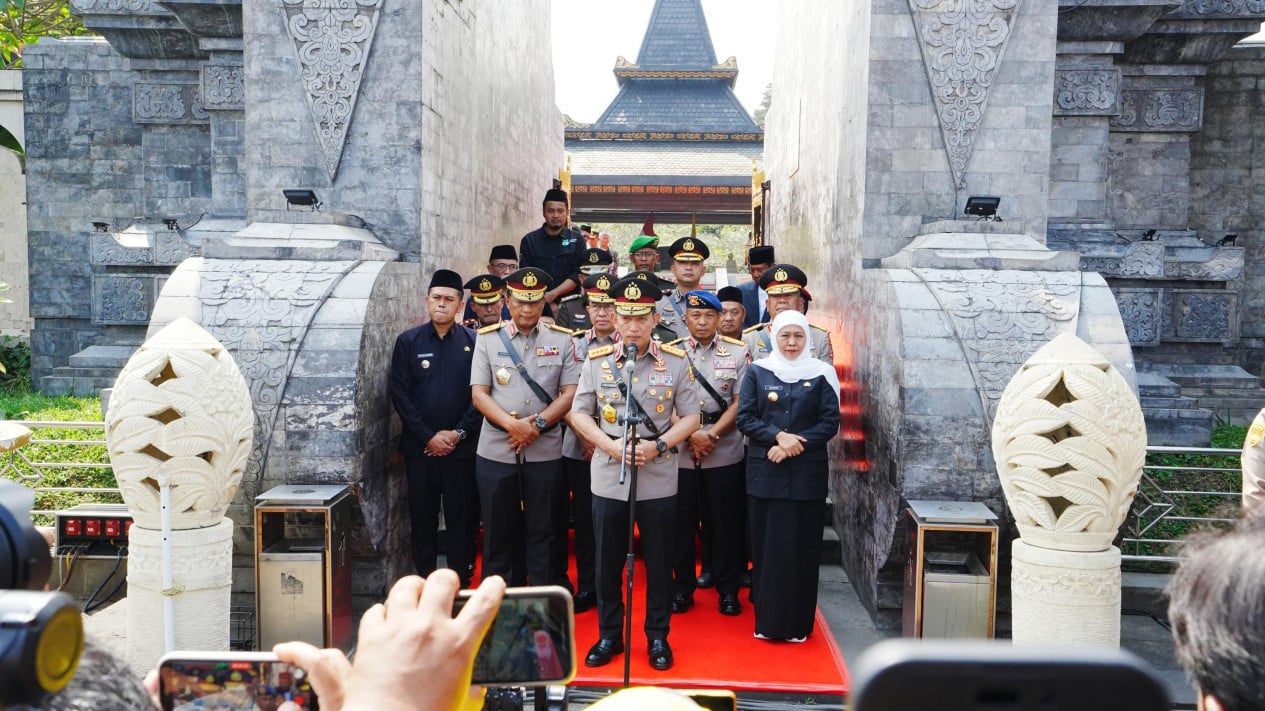
National Police Chief General Listyo Sigit Prabowo continued a series of pilgrimages to the graves of former Presidents of the Republic of Indonesia ahead of the 80th Bhayangkara Day. After visiting the grave of the 4th President, KH. Abdurrahman Wahid (Gus Dur), the Police Chief travelled to the grave of the first President, Soekarno, in Blitar City, East Java, on Saturday, 20 June 2026. This activity is part of the Polri tradition to honour the services of the nation’s leaders while strengthening the spirit of dedication in carrying out duties to maintain security and serve the community. On this occasion, the Police Chief stated that the pilgrimage was not only a form of respect for the founders and leaders of the nation, but also a means of reflection to learn from the leadership values they bequeathed. “This morning, we visited the grave of the late President Gus Dur. And Alhamdulillah, now we are carrying out a pilgrimage to the grave of the late President Soekarno. After this, we will continue to the grave of Mr President Soeharto and finally conclude at the Kalibata Heroes Cemetery,” said Sigit. According to the Police Chief, the values of struggle inherited from the nation’s leaders hold significant meaning for the Polri institution in facing current and future challenges. “This series of activities is part of our tradition to absorb and explore the values of the nation’s leaders, which is very important especially for the Polri institution. We have a mandate to continue preserving what has been bequeathed, the values given by our former Presidents and former national leaders to the Unitary State of the Republic of Indonesia and to the Polri institution,” Sigit stated. The Police Chief stressed that the values of nationalism, dedication, and the spirit of struggle instilled by previous leaders must be maintained and passed on by the next generation, including all members of the Polri. “Likewise, this becomes a strength, a positive thing for us to continue developing as a mandate for the Polri institution, so that we can continue to carry out the mandate of the institution, the mandate of the community, the nation, and the state, to execute all these duties and responsibilities as best as possible,” Sigit concluded.