
National Police Chief Revives 'Smile, Greet, Salute' Culture to Strengthen Public Trust
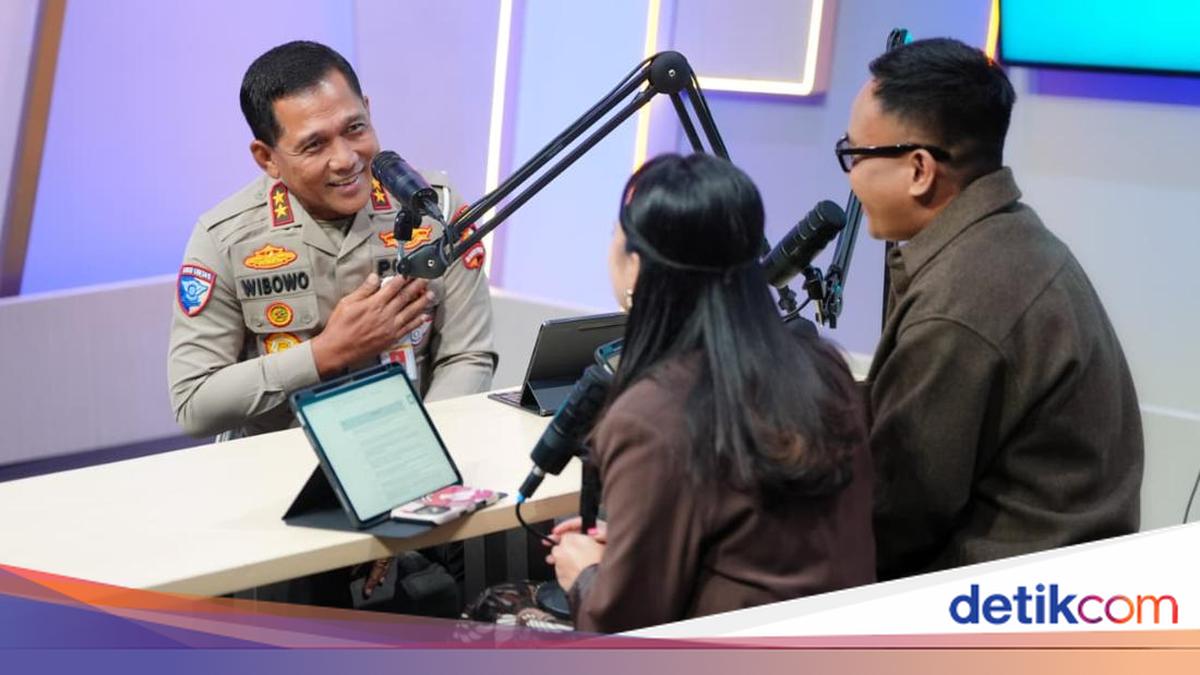
The Head of the Indonesian National Police Traffic Corps (Kakorlantas), Inspector General Wibowo, is intensifying efforts to transform traffic policing by reviving a culture of friendliness to bring officers closer to the public. He highlighted the reactivation of the basic service culture known as ‘3S’—Senyum, Sapa, Salam (Smile, Greet, Salute)—as a key strategy to build public trust.
Speaking during an interview on Wednesday, Wibowo stated that a fundamental shift in public service must begin with an internal transformation, particularly in the mindset of every traffic police officer. “I have repeatedly told all ranks that this duty is a matter of pride and honour. It must be grounded in a clear conscience and sincerity. That is the most important thing,” he said.
Wibowo explained that a warm and calming approach serves as the primary gateway to resolving issues. He used a simple analogy: when citizens visit a police service centre and are greeted with a smile, they feel at ease regardless of whether their problem is immediately solved. Conversely, he warned that a rigid or unfriendly demeanour from officers could exacerbate tensions and erode public confidence.
To embody the concept of police as public friends, Wibowo detailed the five main pillars of the Polantas KARIB programme. ‘Kemitraan’ (Partnership) involves building broad collaboration with stakeholders and communities to manage traffic safety and order. ‘Aktif’ (Active) requires personnel to be present and proactive before problems or congestion arise. ‘Responsif’ (Responsive) demands quick and fair reactions to public complaints and road emergencies. ‘Intuitif’ (Intuitive) sharpens officers’ sensitivity and concern to avoid apathy towards road users’ difficulties. Finally, ‘Berintegritas’ (Integrity) upholds honesty and professionalism as the core defence in service delivery and law enforcement.
The Polantas KARIB programme is no longer just a concept at the national headquarters; it has been simultaneously implemented by traffic directorates at the regional police level and traffic units at the resort police level across Indonesia. The initiative includes improving humanistic public services at driving licence centres and vehicle registration offices, conducting traffic safety education, and providing emergency assistance to stranded motorists on toll roads. The Traffic Corps is optimistic that this massive rollout will significantly enhance public trust in the police institution while fostering conducive traffic safety and order nationwide.