
National Planning Minister wants blockchain to have real impact on development
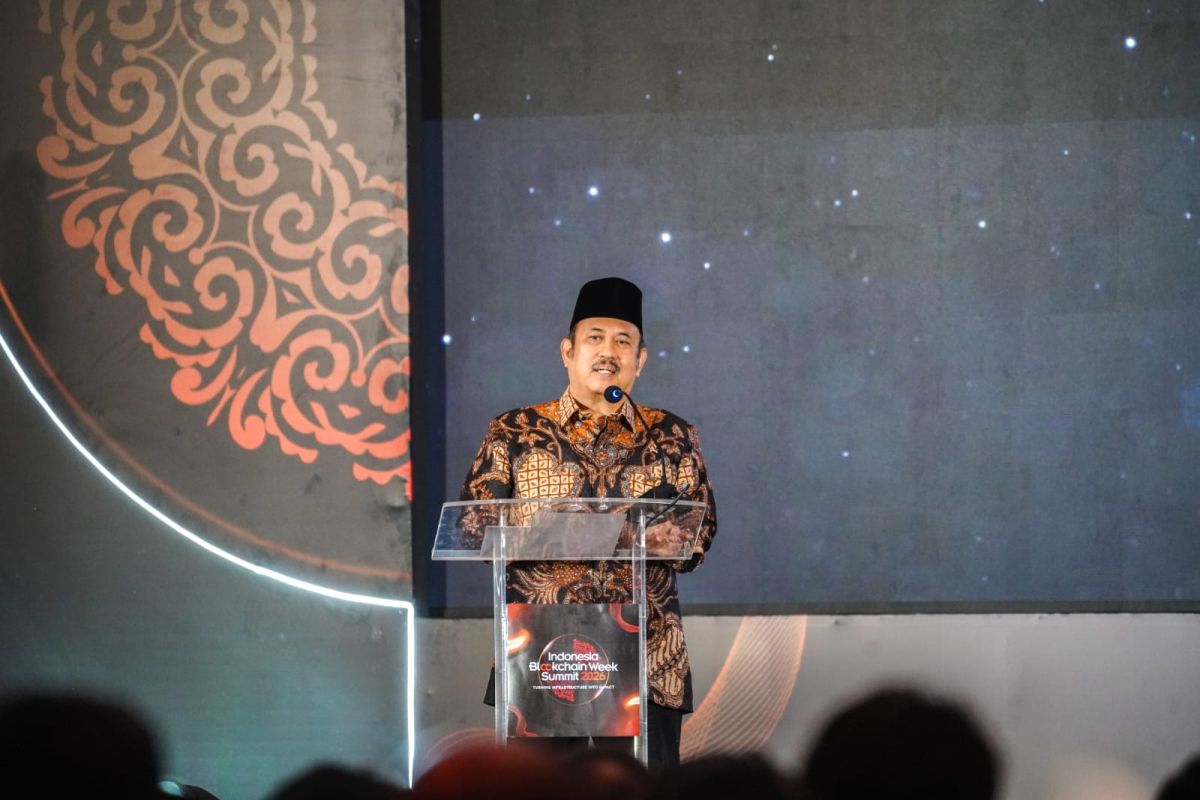
National Development Planning Minister/Head of the National Development Planning Agency (Bappenas) Rachmat Pambudy has said blockchain needs to be positioned as part of a digital transformation that delivers tangible impact for national development.
“Blockchain has significant room for growth when used to address real needs, namely improving efficiency, transparency, traceability, integrity and trust. The government will continue to encourage innovation, but on the principle that technology must follow development needs, comply with governance, and serve the broader public interest,” he said at the Indonesia Digital Blockchain Week 2026, according to an official statement released in Jakarta on Wednesday.
On that occasion, he recounted the experience of a coffee farmer who successfully developed a traceability system and went on to build a blockchain-based platform. The system allows consumers in various countries to communicate directly with farmers in Indonesia.
That experience, he said, demonstrates that blockchain can connect development actors from the village level to international markets.
In the development context, blockchain can be applied within the national development planning framework to support the digital economy, digital government, and more transparent and integrated data governance. Under the 2025–2029 National Medium-Term Development Plan (RPJMN), digital transformation is supported by three pillars: digital society, digital infrastructure, and digital government.
The government is also encouraging investment in new technologies, data integration, and research and innovation to ensure digital transformation contributes to quality economic growth.
“The digital economy’s contribution to GDP (Gross Domestic Product) is targeted to reach 12–13 percent by 2029,” Rachmat said.