
National Nutrition Agency Prepares MBG Kitchen Clustering, 3T Regions to Receive Special Treatment
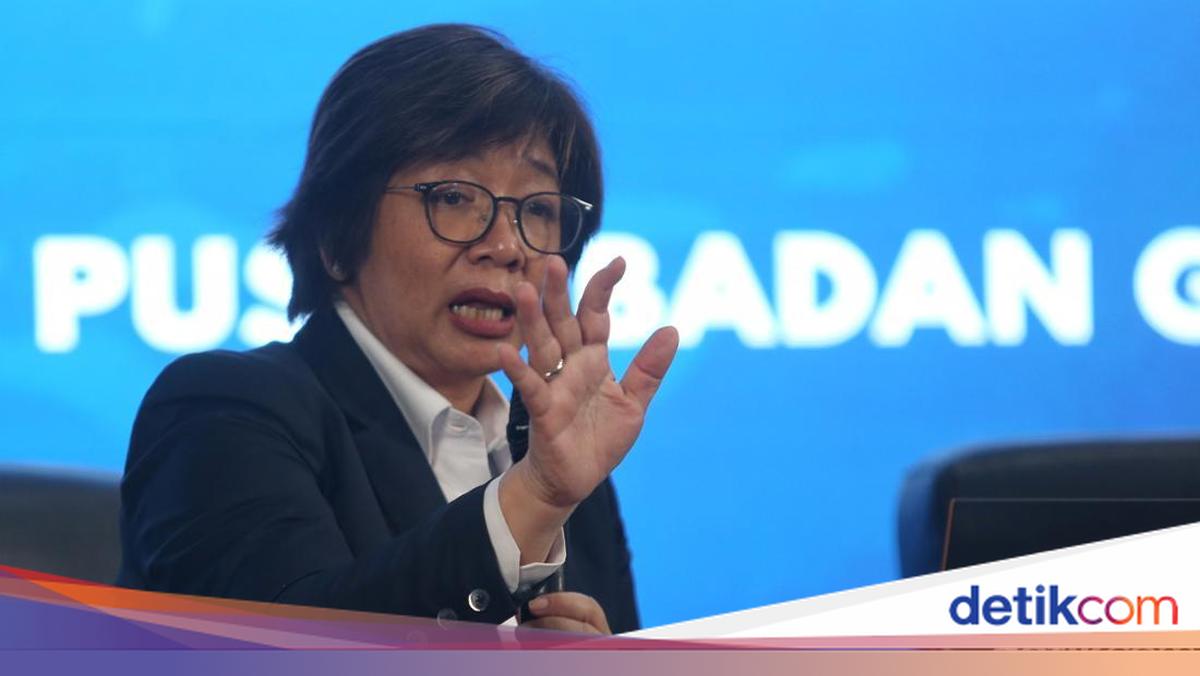
The National Nutrition Agency (BGN) is preparing a clustering scheme for the kitchens of the Free Nutritious Meal (MBG) Programme. This scheme is being prepared so that the management of MBG kitchens is more suited to the conditions of each region, especially in underdeveloped, frontier, and outermost (3T) areas.
Deputy Head of BGN Agustina Arumsari said that so far all MBG kitchens have used a relatively uniform pattern. In fact, regional conditions and the number of beneficiaries in 3T areas differ from densely populated regions such as Java.
“One of the options to be taken is indeed that, namely kitchen clustering. Because when we refer to 3T areas, the population is not as large as in Java,” Sari said at the BGN office in Central Jakarta on Thursday (18/6/2026).
According to her, the kitchen model and operational system in 3T regions will later differ from other areas. BGN is currently still reviewing the scheme alongside the process of compiling beneficiary data.
“Later, it will certainly be different from Java. The system, the kitchen, and so on will also be different,” she said.
She assessed that the current scheme does not yet fully reflect the needs on the ground. This is because all kitchens receive the same incentive, namely Rp 6 million per day, even though the number of beneficiaries served varies.
“Right now, everything is uniform, Rp 6 million per day, even though the beneficiaries number 500, 1,000, 1,500, up to 3,000. That is actually not fair,” she stated.
Therefore, BGN will first ascertain the number of beneficiaries in each region before determining the operational and financing scheme for MBG kitchens. This data will also serve as the basis for compiling programme budget efficiencies.
In addition to preparing kitchen clustering, BGN is currently conducting a comprehensive evaluation of the management of the Nutrition Fulfilment Service Units (SPPG) or MBG kitchens. The school holiday period is being used to improve kitchen quality, update beneficiary data, and develop more efficient operational schemes before the programme resumes in the new academic year.
Sari emphasised that all these policies are being implemented to ensure the MBG programme runs more on target and provides maximum benefits for the groups most in need.