
National Nutrition Agency Implements Buffet-Style Free Nutritious Meal Concept Across 60 Service Units
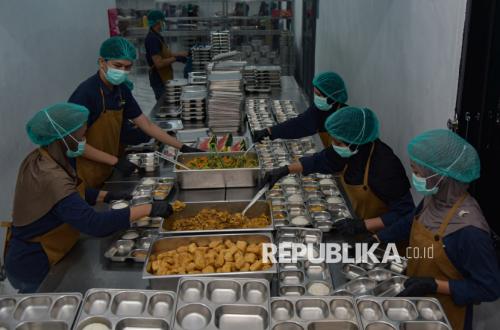
The National Nutrition Agency (Bally Gizi Nasional - BGN) has begun adopting a buffet-style concept for the implementation of the Free Nutritious Meal (MBG) programme, serving food directly in classrooms. This model is being tested in more than 60 Nutrition Fulfilment Service Units (SPPG) across various regions in Indonesia.
Head of the BGN, Sudaryono, stated that the concept refers to food service practices in Japan and several other countries that have implemented similar systems. Under this model, food cooked in the SPPG or central kitchens is transported to schools to be served warm to students.
“We are imitating the approach in Japan. In other more advanced countries, not all kitchens are located within schools,” Sudaryono told reporters in Jakarta on Monday (5/10/2026). This adjustment is being made to optimise existing centralised kitchen facilities.
He explained that the buffet concept allows food to be served directly in the classroom upon arrival from the kitchen. Consequently, the time gap between the cooking process and consumption can be minimised, ensuring the food is fresher when received by students.
“So, it is cooked in a central kitchen, then distributed to the schools, and then served warm in a buffet style in the classroom,” said Sudaryono. This system is considered efficient in maintaining nutritional quality and the warmth of the dishes.
The BGN is currently conducting trials of this model in several regions, including Central Java, East Java, DI Yogyakarta, and Jayapura. Sudaryono noted that the trials are being conducted across various areas to identify potential issues before the concept is implemented more widely.
In addition to maintaining food freshness, the buffet concept is also believed to reduce potential food waste. According to initial reports received by Sudaryono, food in these trials is almost always finished because students can take portions according to their needs and request more if available.
The model also serves an educational purpose for students. During implementation, students are involved in assisting with food service through a duty roster system, which includes wearing aprons and gloves when serving their peers and teachers.
Because the programme involves both schools and students, the BGN believes that implementing the buffet system requires training for both kitchen managers and educators. The BGN continues to evaluate the trial implementation to determine the most suitable pattern before expanding its application.