
National Nutrition Agency Evaluates Free Nutritious Meal Kitchen Distribution and 63 Million Beneficiary Target
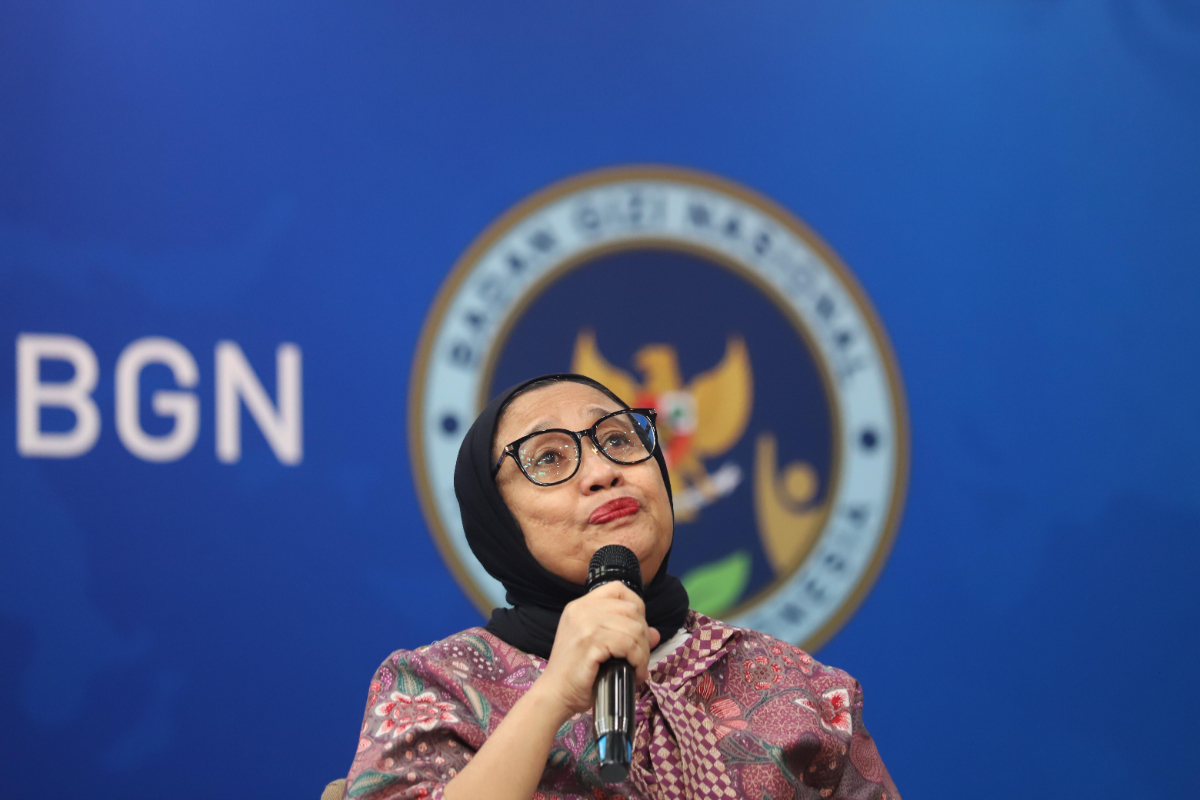
The Head of the National Nutrition Agency (Boch), Nanik S. Deyang, has stated that her agency will shift the implementation focus of the Free Nutritious Meal (MBG) programme, prioritising budget efficiency and service quality improvements over merely expanding the number of kitchens and beneficiaries. Following her inauguration by President Prabowo Subianto at the Merdeka Palace on Monday, Nanik revealed that the first step taken is a temporary moratorium on the opening of new kitchens.
This policy aims to ensure the programme continues without increasing the state budget burden, while providing space for the government to evaluate the distribution of currently operational kitchens. According to Nanik, there are currently 27,877 operational kitchen points registered via virtual accounts. However, the government intends to ensure that the number and distribution of kitchens truly align with the needs of each region.
“We are pausing that for now. We will reorganise. We will assess whether these kitchens can effectively serve the existing beneficiaries or if there is actually an excess,” said Nanik. The evaluation will focus on the equitable distribution of services across regions, as the BGN notes that kitchen concentration is currently high in Java, necessitating restructuring before deciding on new registrations or constructions.
In addition to the moratorium, the BGN will also refocus its beneficiary targets. Nanik believes nutritional intervention programmes must be more precisely targeted, prioritising groups in genuine need. She noted that schools in affluent areas may not require the same level of intervention as regions facing nutritional issues. Consequently, the BGN will re-evaluate the target of 63 million beneficiaries.
Furthermore, the BGN will tighten the quality supervision of MBG kitchens. By 2026, Nanik stated that the agency will no longer focus solely on quantity but will ensure all kitchens meet established operational standards. Existing kitchens will be evaluated and categorised based on capacity and service quality through a grading system, allowing the government to determine which kitchens can serve 3,000, 2,000, or 1,000 beneficiaries.
On the other hand, the BGN is preparing a new approach for underdeveloped, frontier, and outermost (3T) regions. Nanik revealed that the government is striving to reduce dependence on the State Budget (APBN) by partnering with investors, corporate social responsibility (CSR) programmes, and various grants. In remote areas, new kitchen construction is not always necessary; existing facilities such as school canteens or company-owned communal kitchens can be utilised to support the MBG programme.
Nanik cited an example in West Lombok where a school had only 119 students, making a new kitchen inefficient, but the existing canteen could be used instead. A similar scheme could be applied in areas like Raja Ampat, which has limited student numbers but possesses communal kitchen facilities from corporate CSR programmes. Through this method, the government hopes to maintain nutritional service coverage without excessive budgetary strain.
Nanik also clarified that programme implementation partners are not required to be affiliated with schools. Social, educational, or religious foundations can participate as long as they meet the specified requirements. She added that all efficiency and restructuring steps are currently being implemented through internal meetings to ensure the MBG programme is more targeted, high-quality, and sustainable.