
National Nutrition Agency Continues to Suspend Operations of 2,213 Free Nutritious Meal Kitchens; Thousands of Service Units Urged to Improve Governance
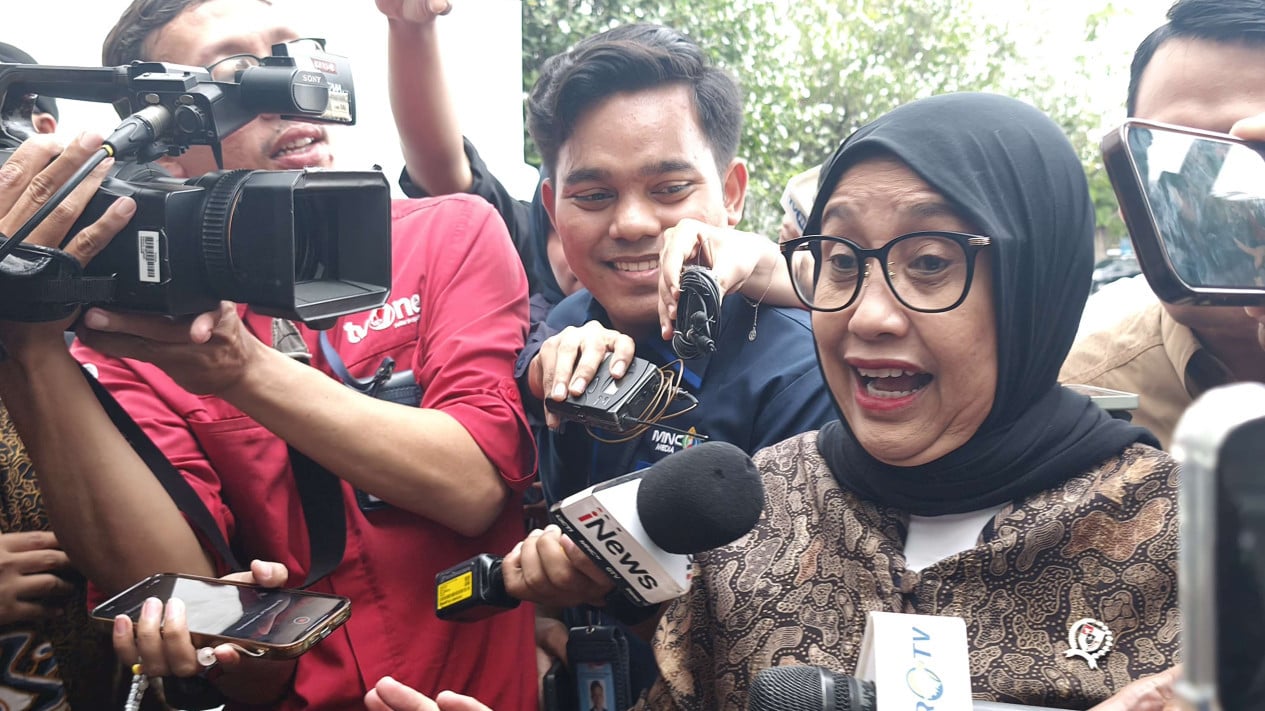
The National Nutrition Agency (BGN) has temporarily halted the operations of 2,213 Nutrition Fulfilment Service Units (SPPG) in various regions. This move is part of an ongoing effort to evaluate and improve the quality of the implementation of the Free Nutritious Meal (MBG) programme.
The suspension has been applied to SPPGs deemed to have failed to meet established operational standards and technical provisions. The evaluation was conducted based on public reports, findings from local governments, and field inspections carried out by the BGN.
The Deputy Head of BGN for Public Communication and Investigation, Nanik S. Deyang, revealed that since the MBG programme commenced on 6 January 2025 until 29 May 2026, thousands of SPPGs have faced similar sanctions. “From the total of 27,208 SPPGs currently operating across Indonesia, 8,182 SPPGs have previously been suspended,” Nanik stated in a briefing, as reported on Tuesday, 2 June 2026.
Of that number, 5,659 SPPGs have resumed operations after implementing improvements and being declared compliant with applicable requirements. Meanwhile, 2,213 other SPPGs remain under suspension.
Regionally, Sumatra recorded 5,968 active SPPGs with 148 units still frozen. In Java, there are 16,594 operating SPPGs, while 1,666 others are undergoing suspension. In the Kalimantan, Sulawesi, Nusa Tenggara, Maluku, and Papua regions, there are 4,646 active SPPGs and 399 units that have not yet been permitted to resume operations.
The BGN explained that several violations can lead to the suspension of an SPPG. These include food service that triggers cases of poisoning, digestive issues, diarrhoea, or vomiting among beneficiaries.
Furthermore, sanctions may be imposed if the menus served do not align with the allocated raw material budget, which is set between Rp8,000 and Rp10,000 per portion. Findings also frequently include price inflation of raw materials, buildings that do not comply with technical guidelines, and the absence of a Hygiene Sanitation Layup Certificate (SLHS).
Other factors of concern for the BGN include the lack of Wastewater Treatment Plants (IPAL), the absence of accommodation facilities for SPPG heads and supervisory officers, the use of non-standard kitchen equipment, weak operational management, conflicts between partners and foundations, and having fewer than 15 suppliers.