
National Nutrition Agency Changes SPPG Incentive Scheme to Rp 2,000 Per Portion Starting 5 October
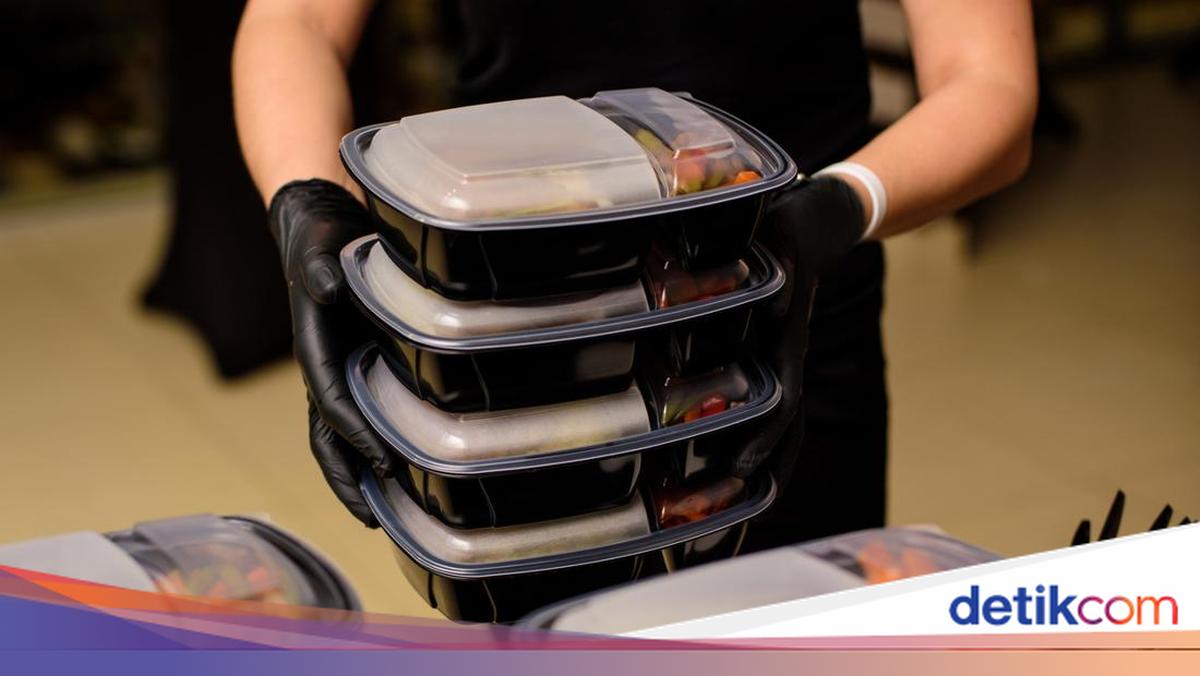
The National Nutrition Agency (BGN) is changing the incentive mechanism for Nutrition Fulfilment Service Units (SPPG) starting from 5 October 2026. The previous SPPG incentive of Rp 6 million per day has been replaced by a rate of Rp 2,000 per portion.
This change is based on Agency Regulation Number 13 of 2026 regarding Effective Service Days for the Free Nutritious Meal Programme and the Provision of Incentives for Availability and Service Quality of Nutrition Fulfilment Service Units. Incentives will now be provided proportionally based on the number of food portions distributed to beneficiaries.
“Previously, each SPPG provided Free Nutritious Meal (MBG) services with varying numbers of beneficiaries, yet received the same incentive of Rp 6 million per day. We have now adjusted this to be proportional, returning to a rate of Rp 2,000 per food portion distributed to beneficiaries,” stated the Head of BGN, Sudaryono, in a statement received on Thursday (1/10/2026).
He explained that the Rp 2,000 amount is part of a total allocation of Rp 15,000 for each beneficiary. This allocation consists of Rp 10,000 for the food provided, Rp 3,000 for operational costs, and Rp 2,000 as an incentive for the availability and quality of SPPG services.
“Through the regulation mentioned above, it is more clearly established that SPPG kitchens will receive incentives only when they are operational. For example, if a kitchen is suspended and cannot operate, it will not receive an incentive,” he explained.
Sudaryono noted that the same applies when SPPGs do not serve beneficiaries due to national holidays or specific conditions that lead to the cancellation of teaching and learning activities. He emphasised that if SPPGs do not provide MBG services to beneficiaries, no incentive will be granted.
“For instance, in the event of natural disasters, such as those in NTT, or forest fires occurring in several areas which result in teaching and learning activities being conducted online, the SPPG kitchens would not be serving beneficiaries with MBG, and therefore, no incentive would be provided,” he said.
Reasons for the Incentive Change
Sudarytono explained that the change in mechanism was implemented considering the principles of fairness, accuracy, efficiency, and justice.
“This is no longer about equal distribution for everyone; rather, it is towards the principles of fairness, truth, and efficiency. Additionally, there is the principle of justice here, so that a larger number of beneficiaries and a smaller number of beneficiaries will naturally have different incentive amounts,” he revealed.
According to him, the number of portions used as the basis for SPPGs to prepare food, while simultaneously receiving operational reimbursements and incentives, refers to the latest determination letter issued to each SPPG in every region.
“The number of portions that serve as the basis for SPPG cooking, for which they receive operational reimbursement and incentives, is based on the most recent determination letter we have provided to each SPPG kitchen in each respective region,” he clarified.
He expressed hope that with this change, there will no longer be competition for beneficiaries.
“We hope there will no longer be a scramble for beneficiaries, no more small kitchens becoming overloaded due to too many beneficiaries, and no more large kitchens becoming sub-optimal due to receiving too few portions,” he concluded.