
National Logistics Flow Continues to Move Amid Trade Balance Surplus
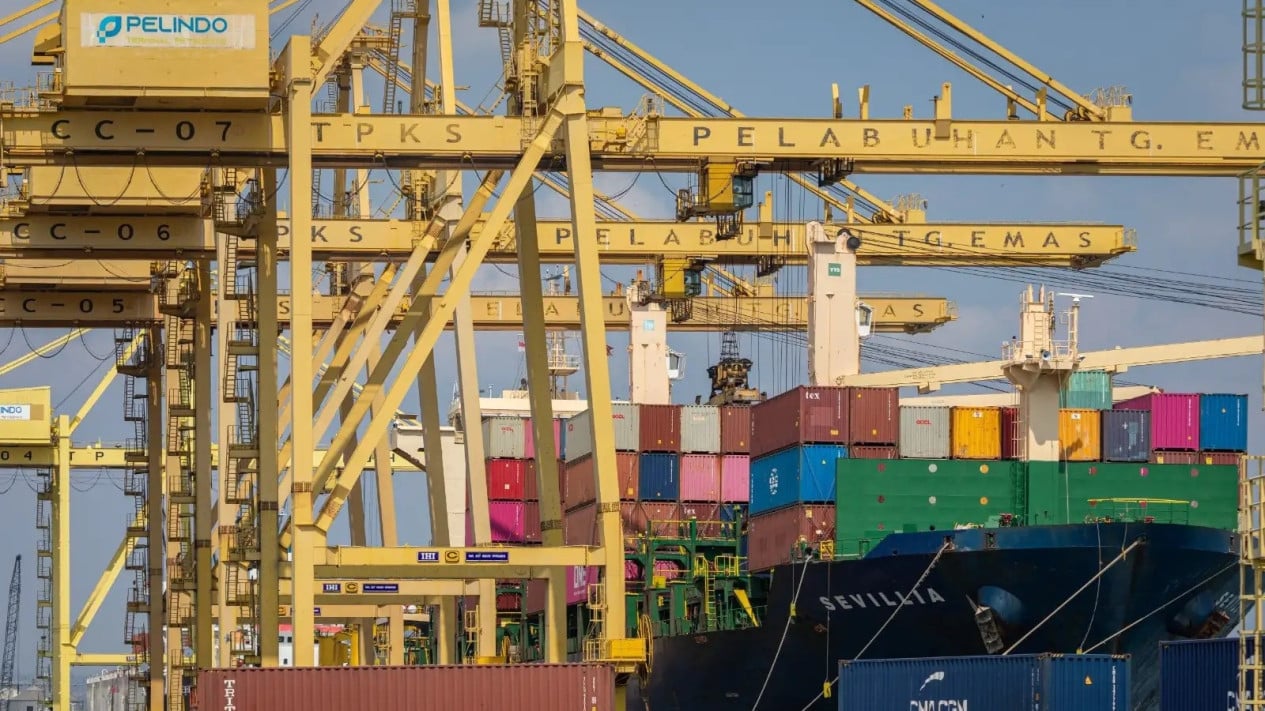
The national logistics flow continues to move in line with Indonesia’s increasing trade activity. This movement is reflected in the performance of exports and imports, which have kept growing, with the national trade balance recording a surplus of USD5.64 billion during January-April 2026. This achievement is a positive signal that national production, distribution, and trade activities are still running amid global economic dynamics.
Based on data from BPS, in the January–April 2026 period, Indonesia’s export value reached USD92.15 billion, growing 5.48 percent compared to the same period the previous year. Non-oil and gas exports were the main support, with a value of USD87.74 billion.
This performance cannot be separated from the contribution of the manufacturing industry sector, which continues to be the backbone of Indonesian exports. During January-April 2026, BPS recorded that the manufacturing industry sector contributed export value of USD75.57 billion.
China remained the largest export destination country during January–April 2026, with a value of USD22.76 billion, followed by the United States at USD10.17 billion, and India at USD6.14 billion. Meanwhile, exports to ASEAN and the European Union (27 countries) were USD17.70 billion and USD6 billion, respectively.
Central Java also contributed to the national export performance, with a value reaching USD4.5 billion in the January–April 2026 period. The Chair of the Central Java Regional Representative Council of the Indonesian Exporters Association (GPEI), Ade Siti Muksodah, said a number of commodities are the region’s export mainstays, including wood products and their derivatives from the Temanggung and Wonosobo areas, knitted products, and brown sugar.
However, export activity still faces a number of challenges, ranging from rising logistics costs to the industry’s high dependence on imported raw materials. This condition also impacts production costs and the competitiveness of export products.
“About 70 percent of our raw materials are still imported from China and several other countries in East Asia. Some plastic raw materials have increased in price, which automatically affects export trade in our country,” said Ade when contacted on Wednesday (17/6/2026).
Ade assessed that the increase in logistics capacity and services at Tanjung Emas Port is one of the important factors in supporting export activity. The improvement of facilities and the addition of operational equipment, especially to support loading and unloading processes and container management, are considered capable of smoothing the flow of goods distribution.