
National Library of Indonesia Implements New Method to Map Public Literacy Conditions
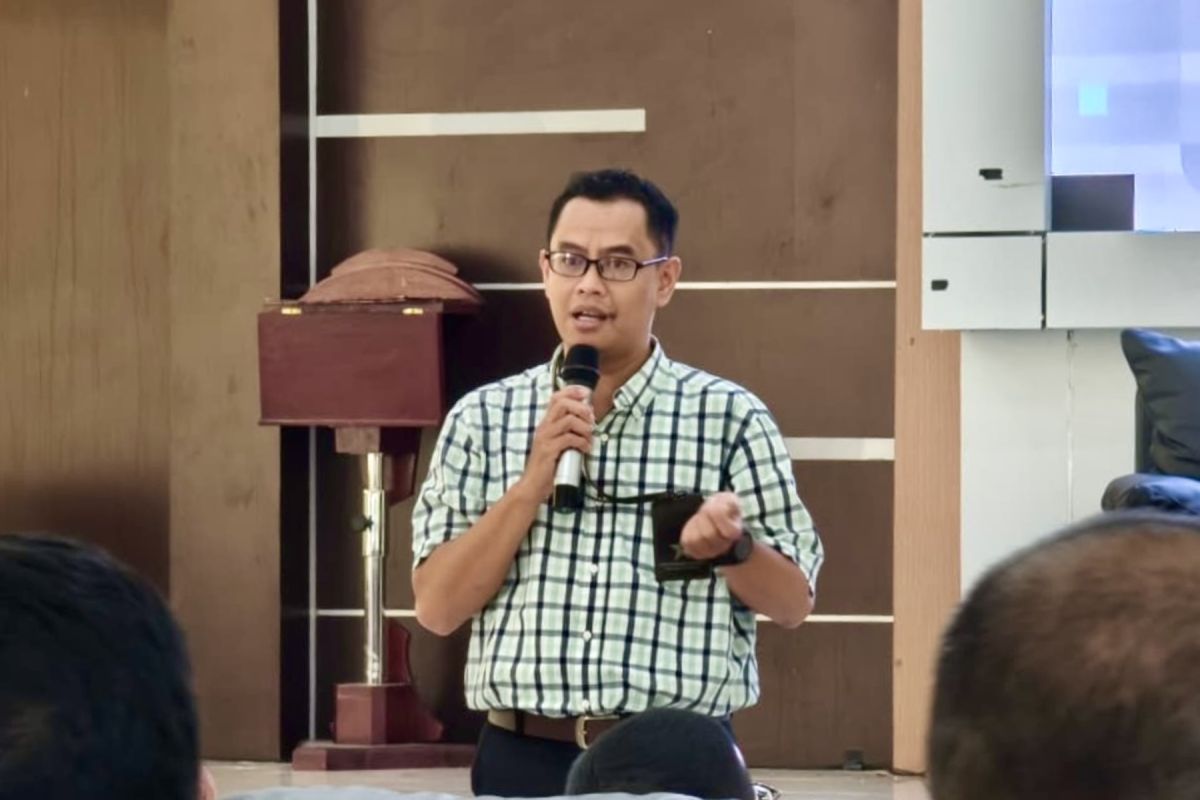
“This new method is more comprehensive, in that we conduct measurements down to the level of individual libraries in the regions.”
Banjarmasin (ANTARA) — The National Library of Indonesia (Perpusnas RI) has adopted a new, more comprehensive method to map the state of public literacy by measuring the Community Literacy Development Index (IPLM) across all libraries in the regions.
Irhamni, Head of the National IPLM and Reading Interest Level (TKM) Team at Perpusnas RI, said the method was designed to provide a true picture of the condition of regional libraries by conducting direct assessments of every type of library, from public libraries and special libraries to school libraries.
“This new method is more comprehensive, in that we conduct measurements down to the level of individual libraries in the regions, whether special libraries, public libraries, or school libraries,” he said at a Workshop on Calculating the IPLM and TKM in Banjarmasin, South Kalimantan, on Wednesday.
He explained that the IPLM measurement is based on four main dimensions divided into two broad groups: compliance dimensions, covering collections and human resources, and performance dimensions, encompassing library management and services as indicators of literacy service quality.
“The measurement results will then be correlated with the Reading Interest Level (TKM) to track the development of the community’s literacy culture,” he said.
Based on interim measurements in South Kalimantan using the new method, Irhamni said public libraries managed by local governments have shown good results, scoring 85 out of a scale of 100.
However, he highlighted that school libraries in South Kalimantan still require further attention and guidance, having scored only 23.
“The level of school libraries in South Kalimantan stands at a score of 23 out of a scale of 100. This means considerable improvement is still needed at the school library level, where the budgetary authority for school library development lies with the education office,” he said.
Irhamni expressed hope that synergy between the provincial government, district and municipal governments, Perpusnas RI, and relevant stakeholders could strengthen library development, particularly in school environments, so that regional IPLM and TKM scores continue to rise and the community’s literacy culture and reading interest grow ever stronger.