
National Human Rights Commission Warns Draft Human Rights Bill Could Undermine Independence and Oversight
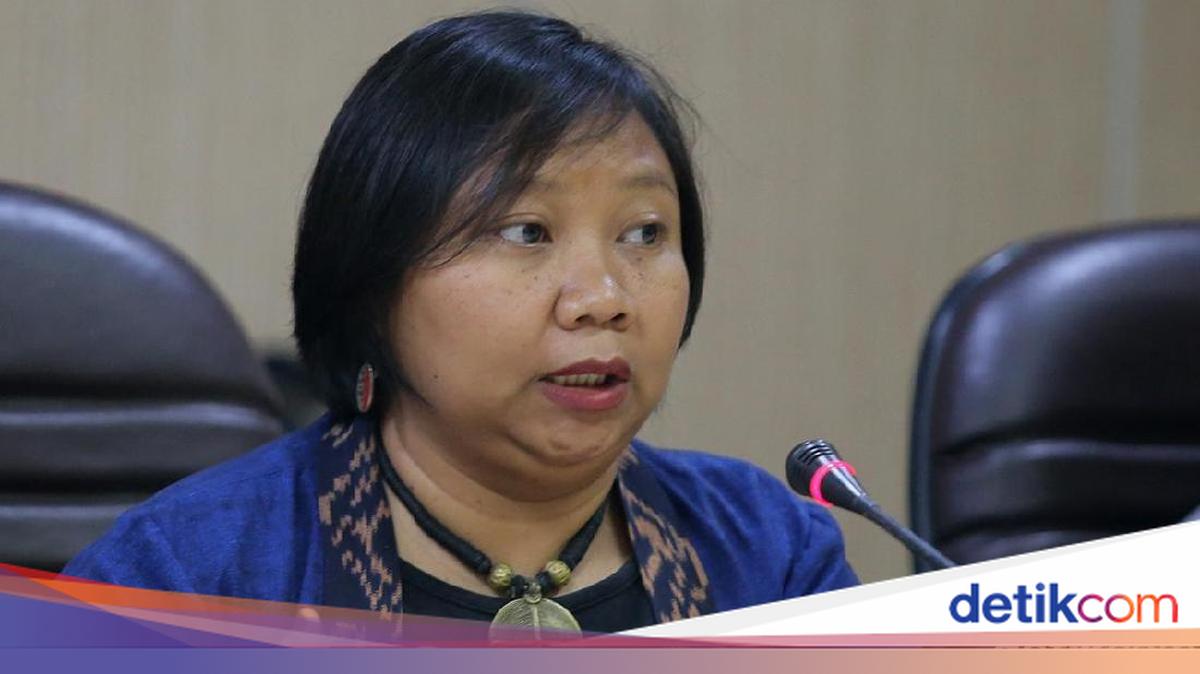
National Human Rights Commission (Komnas HAM) chairperson Anis Hidayah has criticised the draft Human Rights Bill prepared by the Ministry of Law and Human Rights. The commission believes the revision could weaken its independence and undermine human rights oversight in Indonesia.
“Komnas HAM views the planned revision of the Human Rights Law as the culmination of systematic efforts to diminish and delegitimise the commission,” Anis said in a statement, cited on 30 May 2026.
Anis stated that the government has not fully utilised Komnas HAM’s existence and role. She noted that the commission handles over 2,500 suspected human rights violation cases annually.
Anis denied any involvement of Komnas HAM in the current draft’s development. She insisted that from the outset, the commission struggled to obtain the draft document.
“Komnas HAM was never consulted during the drafting process, including in discussion stages, and the commission even faced difficulties obtaining the initial draft document. The draft does not reflect any input from Komnas HAM,” she said.
However, she said Komnas HAM is the most affected body in any Human Rights Law revision. She added that ignoring the commission breaches the Paris Principles, the international standards governing national human rights institutions.
“The draft Human Rights Bill, which diminishes Komnas HAM’s functions and authority, risks undermining Indonesia’s credibility as the current president of the UN Human Rights Council,” she said.
Anis highlighted several provisions in the draft that could weaken Komnas HAM’s duties and powers. One example is the removal of research and human rights advocacy functions currently stipulated in the Human Rights Law.
“This removal clearly undermines Komnas HAM’s ability to monitor the state and foster critical awareness among government officials,” she said.
Additionally, the commission highlighted a provision requiring the submission of its findings to the ministry. She argued this could transform the institution from an independent watchdog into a subordinate administrative body of the ministry.
Anis also criticised a rule requiring Komnas HAM’s court submissions (amicus curiae) to include ministry approval. She said this could compromise the commission’s independence in promoting human rights enforcement.
“Under Article 84(1)(h) of the draft Human Rights Bill, Komnas HAM’s court submissions must include ministry approval. This provision reduces and undermines the commission’s independence in advancing human rights protection,” she added.
Moreover, the commission raised concerns about a rule placing the minister as coordinator for implementing Komnas HAM’s recommendations on economic, social, and cultural rights. She said this creates room for political interference in human rights case follow-ups.
Anis also noted legal uncertainties regarding investigative functions in the draft. The rules could hinder Komnas HAM’s existing pro justicia authority.
“The systematic weakening of Komnas HAM’s strategic functions poses a real threat to the credibility of promoting, fulfilling, and protecting human rights,” she said.
“If preventive functions are cut and oversight is interfered with, society and human rights victims will lose an objective, independent, and impartial human rights watchdog,” she added.
The commission urged transparent revisions grounded in strengthening human rights protection. It also called on the government to respect the separation of roles between Komnas HAM as an independent body and the Ministry of Law and Human Rights as part of the executive.
“The government must respect the distinct roles of Komnas HAM as an autonomous body and the Ministry of Law and Human Rights as a presidential executive agency. Clear boundaries between them would foster healthy and constructive institutional relations,” she said.
“The Human Rights Bill revision must not contradict the spirit of the 1998 Reform. Instead, it should guarantee Komnas HAM’s broad and strategic mandate, given its constitutional importance,” she added.