
National Human Rights Commission Views Domestic Workers Protection Act as Strengthening Worker Protection and Justice
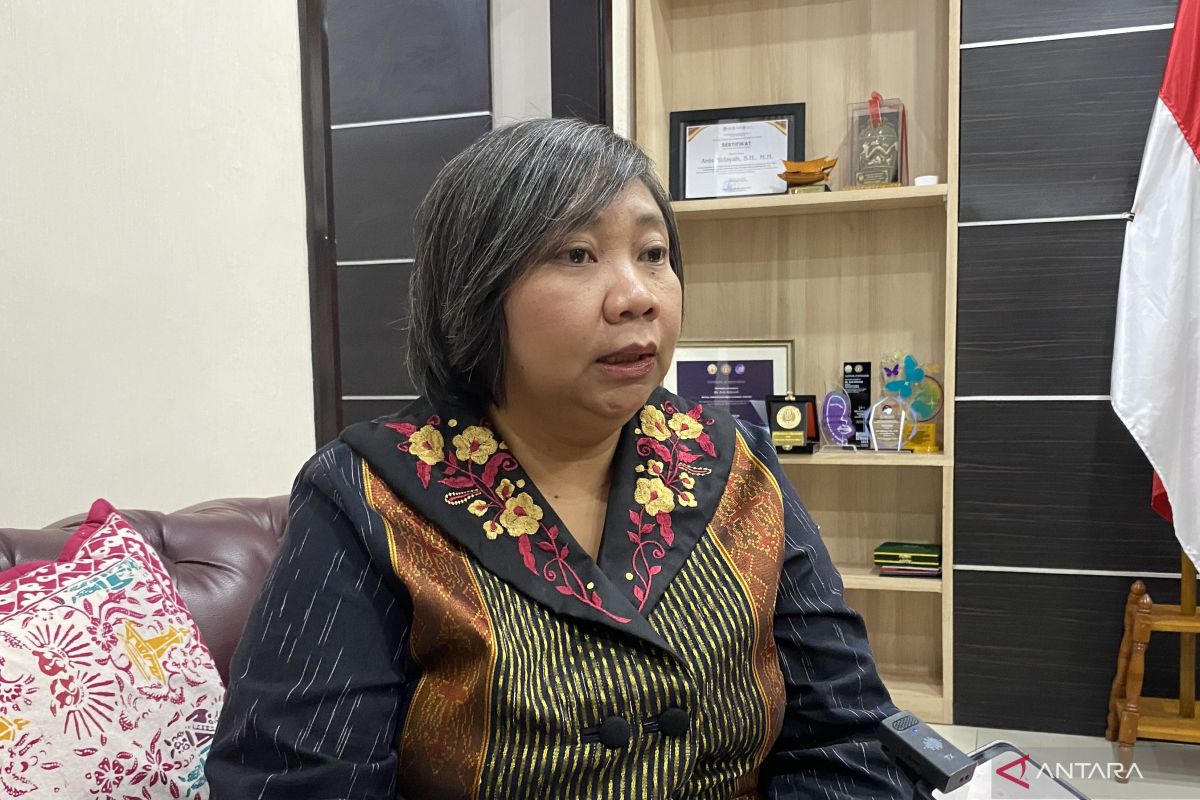
Jakarta (ANTARA) - The National Human Rights Commission views the enactment of the Domestic Workers Protection Act (UU PPRT) as a strategic step in strengthening state recognition, human rights protection, and social justice for domestic workers in Indonesia. Komnas HAM Chair Anis Hidayah stated that the approval of this regulation marks the state’s commitment to fulfilling constitutional obligations and human rights instruments, especially for vulnerable groups who have operated in domestic work spaces without adequate protection. “The enactment of the UU PPRT is an important step in fulfilling Indonesia’s obligations under human rights instruments, realising justice, and providing maximum protection to vulnerable groups that have long been marginalised,” said Anis in a statement in Jakarta on Wednesday. She revealed that the discussion process for this regulation has lasted more than two decades without certainty. Meanwhile, the number of domestic workers in Indonesia is estimated at 4.2 million people, the majority women. In Komnas HAM’s records, in 2024 there were at least 47 complaints of alleged human rights violations against domestic workers, covering physical, psychological, and sexual violence, wage discrimination, exploitation up to forced labour practices and modern slavery. In addition, Komnas HAM’s 2022 study showed that domestic workers still face job uncertainty, minimal legal protection, and inhumane working conditions, resulting in repeated human rights violations. The enacted UU PPRT contains several substantive strengthening measures, including recognition of domestic workers as legitimate workers protected by law, social security and labour protection guarantees, including fair wages and protection from violence, as well as regulations on a minimum age of 18 years to prevent child labour. Furthermore, the regulation also governs clear employment agreements between workers and employers, as well as oversight mechanisms, dispute resolution, and capacity building for domestic workers. Komnas HAM assesses that this regulatory strengthening is an important part in promoting fairer and more humane working relationships, while preventing discriminatory practices in the domestic sector. “With the enactment of the UU PPRT, it is hoped that there will be working relationships that uphold humanitarian values and justice,” said Anis. Moving forward, Komnas HAM emphasises the importance of effective implementation through oversight, public education, and cross-sectoral coordination so that protection for domestic workers can run optimally and sustainably.