
National Ginger Production Declines, IPB Expert Urges Agribusiness Transformation
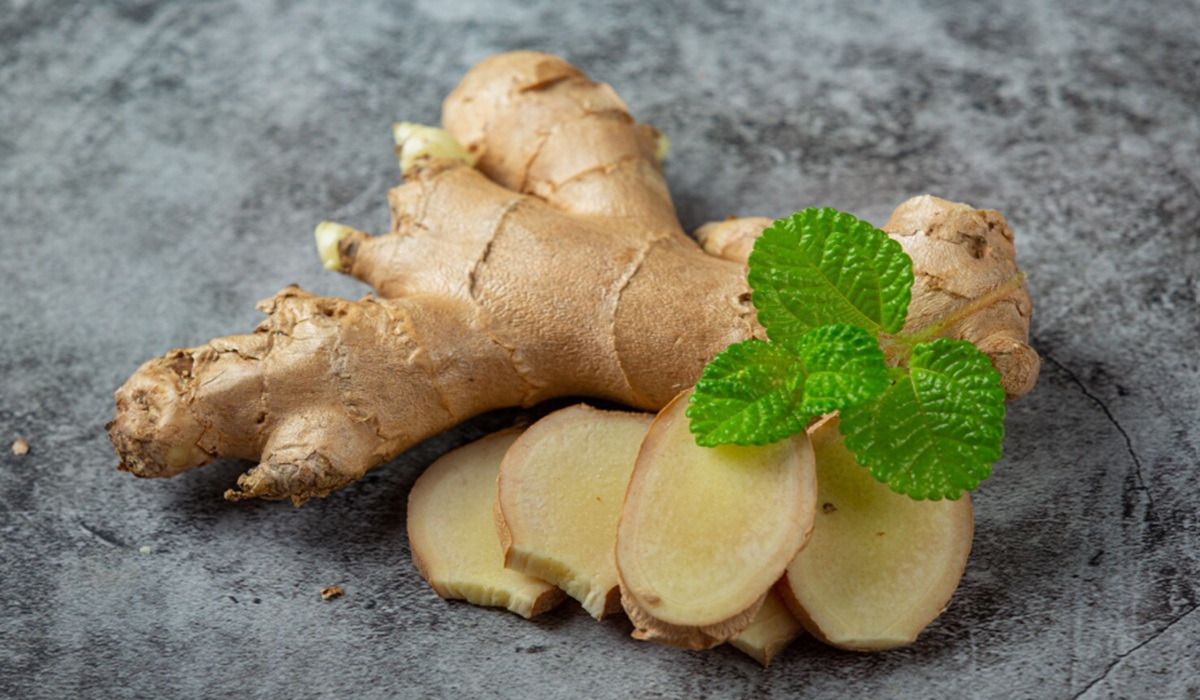
The decline in national ginger production over recent years signals a strong need for comprehensive reform in the spice agribusiness sector. Based on data from Statistics Indonesia (BPS), this sector has experienced a significant contraction in both production volume and harvested land area. The data indicates a downward trend that must be monitored to maintain domestic supply stability.
Dr Anisa Dwi Utami, a lecturer in the Department of Agribusiness at IPB University, explained that this condition reflects serious pressure on the supply side. According to her, if production continues to fall while demand remains high or increases, consumer-level prices could potentially soar and dependence on foreign supply will grow larger. “Ginger is a strategic horticultural commodity that serves as a food ingredient, spice, and raw material for the traditional medicine and herbal beverage industries. Therefore, the production decline must be a shared concern,” said Dr Anisa.
Although Indonesia possesses significant production potential, Dr Anisa noted that this does not automatically guarantee the sustainable fulfilment of market needs. Imports are still frequently carried out due to a gap between production timing and year-round market requirements. Beyond continuity issues, differences in the quality required by industry and limited productivity are the main obstacles. Dr Anisa highlighted that the current challenge for farmers is not merely cultivation techniques, but a farming structure still dominated by small-scale and scattered operations. “This condition causes relatively high production costs, slow technology adoption, limited access to financing, and a weak bargaining position for farmers in the supply chain,” she added.
As an urgent solution, Dr Anisa is pushing for a transformation of ginger farming to become more organised and achieve adequate economies of scale. Institutional strengthening through cooperatives, farmer groups, and strategic partnerships with industry is considered a key step. With strong institutions, farmers will find it easier to access superior seeds, modern technology, and financing. This also provides market certainty so that production can increase sustainably. She stressed that the main priority for reducing imports is not merely restricting trade, but building an efficient agribusiness system. The development of ginger production centres and close partnerships with the processing industry are the main pillars for enhancing national competitiveness while strengthening spice-based food security in Indonesia.