
National Forest Fire Hotspots Surge 166 Percent
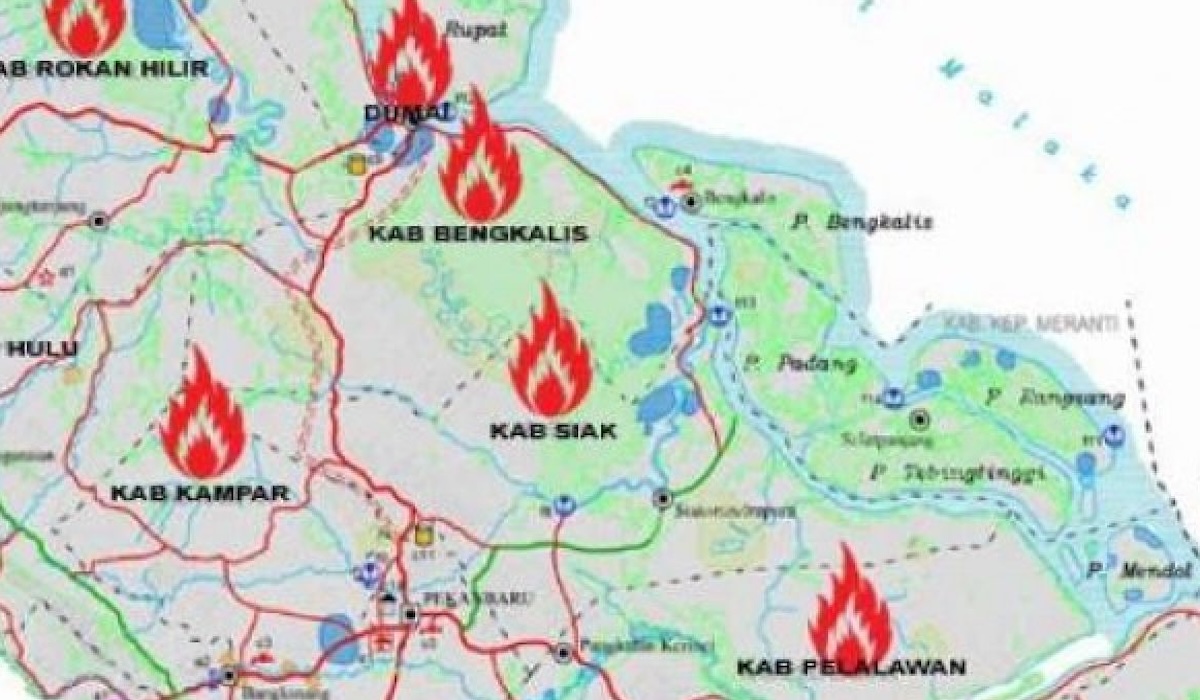
The Ministry of Forestry is tightening forest and land fire controls across vulnerable regions following a 166.99 percent surge in national hotspots compared to the same period last year. The measures include increased field patrols, early suppression efforts, and strict law enforcement against those responsible for burning.
Director of Forest Fire Control at the Ministry of Forestry, Thomas Nifinluri, explained that the rise in hotspots indicates a growing potential for forest and land fires due to the dry season influenced by the El Niño phenomenon. Based on monitoring up to 17 July 2026, the reinforcement of Manggala Agni personnel and supporting infrastructure is being carried out intensively throughout Indonesia.
Ministry data shows that the total area affected by forest and land fires nationally from January to June 2026 has reached 107,465 hectares. Five provinces recorded the most significant burned areas. In South Kalimantan, 180 Manggala Agni personnel have been deployed across Tanah Bumbu, Banjarbaru, and Tanah Laut. As of 16 July 2026, the team had conducted 107 suppression operations, successfully handling a total area of 321.04 hectares.
Beyond technical efforts in the field, the Director General of Forestry Law Enforcement, Dwi Januanto Nugroho, affirmed the government’s commitment to legal action. Law enforcement includes administrative sanctions for corporations, civil lawsuits for environmental restoration, and criminal charges against individuals or companies proven to have carried out burning.
The Ministry of Forestry urges the public not to clear land by burning and to report any signs of fire to the authorities immediately. Collective vigilance is considered crucial to reducing the risk of forest and land fires, which are predicted to continue increasing during the peak of the 2026 dry season.