
National Energy Council partners with ITS to develop energy policy implementation roadmap
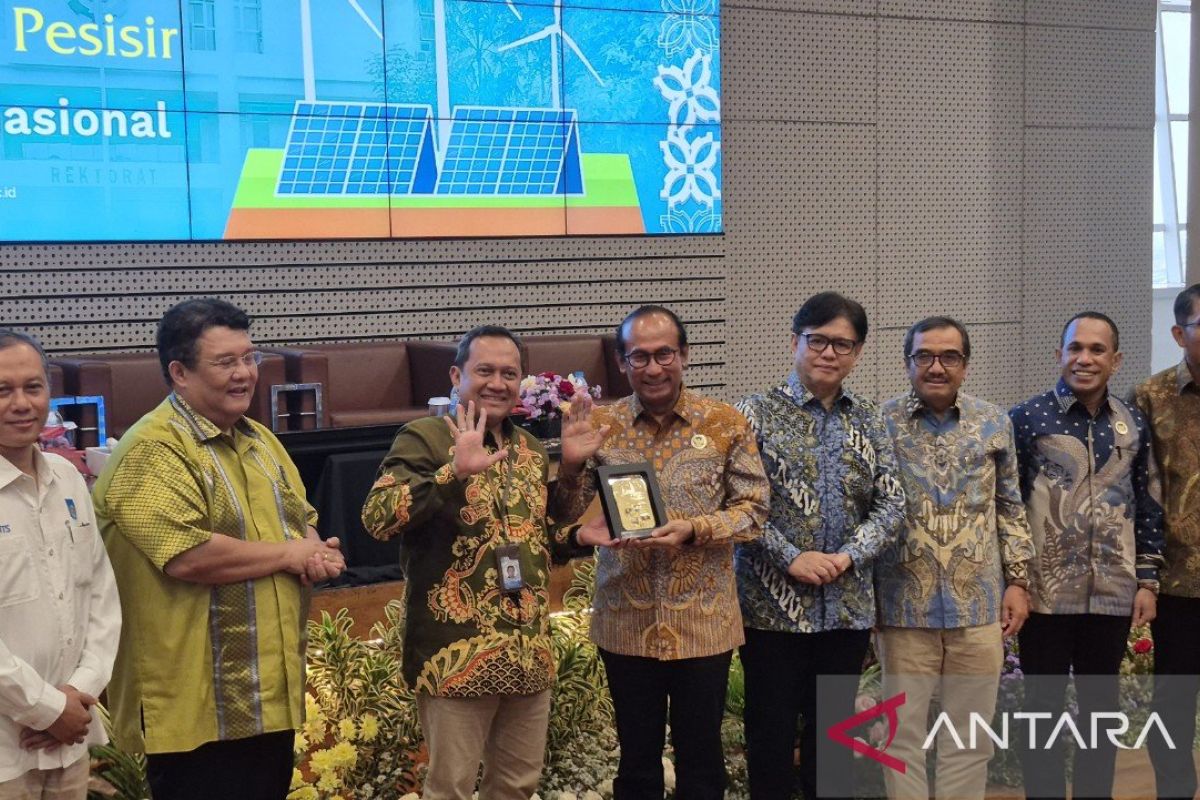
The National Energy Council (DEN) has partnered with the Sepuluh Nopember Institute of Technology (ITS) Surabaya to develop a roadmap for the implementation of the National Energy Policy. This collaboration is intended to strengthen energy transition strategies, bolster energy security, and prepare future energy human resources.
Satya Widya Yudha, a member of the National Energy Council for the 2026-2030 period, stated that the national energy policy has been established through Government Regulation Number 40 of 2025, following approval from the House of Representatives (DPR RI). He noted that this regulation holds a high hierarchy within the Indonesian legal system. He emphasised that the Council’s duty is to socialise the components of the national energy policy, specifically regarding carbon emission reduction strategies, future energy demand scenarios, and energy supply capabilities.
Speaking at ITS Surabaya in East Java on Monday, Satya explained that the DEN is engaging with universities to implement national energy policies while absorbing academic input regarding energy transition and the strengthening of national energy security. An agreement has been reached to create a roadmap detailing how the national energy policy can be realised and how ITS can contribute to these efforts.
According to Satya, the government is currently maintaining the prices of Pertalite fuel and 3kg liquefied petroleum gas (LPG) amidst global energy price volatility until the end of the year. As the current subsidy pattern remains commodity-based, he urged the public to adopt energy-saving behaviours, including reducing the use of private vehicles and transitioning to electric vehicles where possible. He added that the government is currently collecting data on vulnerable populations so that subsidies can be transitioned from commodity-based subsidies to direct assistance for those entitled to receive them.
Meanwhile, the Vice Rector for Research, Innovation, Collaboration, and Alumni at ITS, Professor Agus Muhammad Hatta, stated that universities play a strategic role in supporting national energy policy, particularly in mastering energy technology and preparing human resources. He emphasised that universities, human resources, and research are vital components of the national energy policy, necessitating the immediate preparation of roadmaps for energy technology mastery and workforce readiness.
He cited the development of solar power plants (PLTS) as an example, noting that it requires a large number of technicians and engineers. Consequently, universities must adjust their curricula to support professions within the renewable energy and green economy sectors. According to Agus, the formulation of the energy roadmap must involve various stakeholders to ensure that national energy security and independence targets for 2050 to 2060 are achieved.