
National Distance Learning Expansion: MPR Deputy Chair Emphasises Digital Infrastructure Readiness
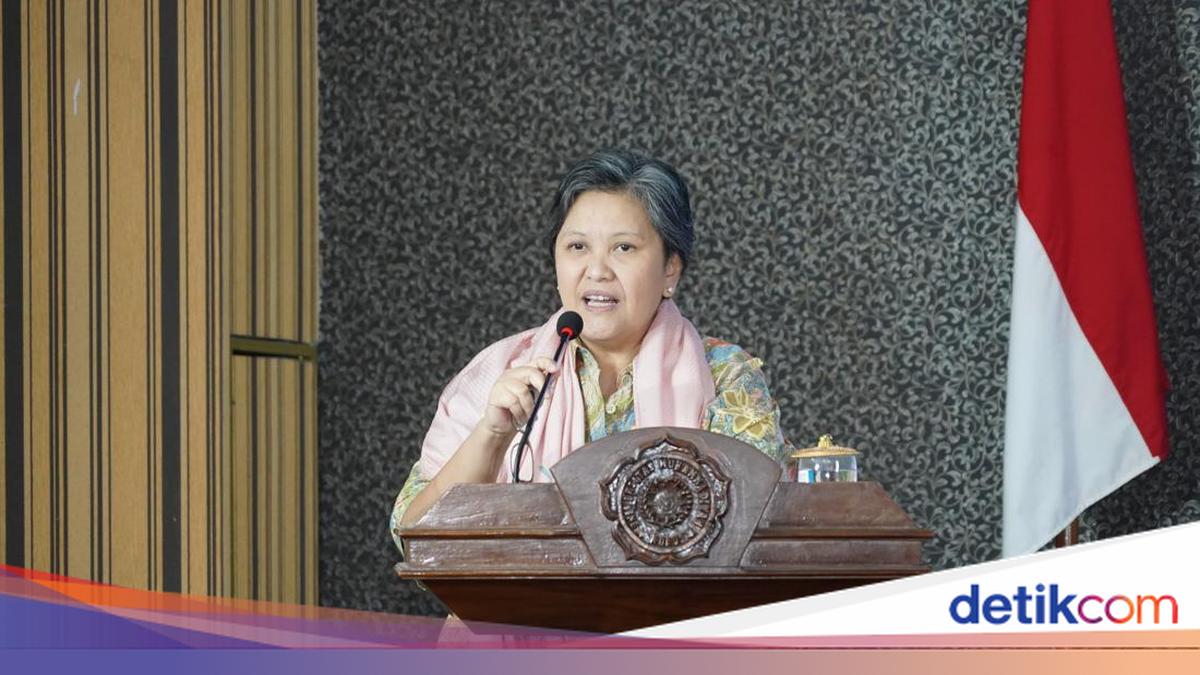
The Ministry of Basic and Secondary Education (Kemendikdasmen), through the Directorate General of Secondary Education and Special Education, is expanding the implementation of Distance Learning (PJJ) for secondary education levels in 34 provinces this year. This expansion follows the successful pilot of PJJ for secondary education for children of Indonesian migrant workers in Malaysia in 2025. The expansion will target 3,500 out-of-school children (ATS) to enable them to return to school as part of efforts to realise quality, inclusive, and equitable education. Highlighting this, Deputy Chair of the MPR RI Lestari Moerdijat has called for the expansion of PJJ implementation to be met with serious readiness from local governments, both technical and non-technical. “The success of this PJJ programme heavily depends on the readiness of digital infrastructure in the regions, the capacity of educators, and the accuracy of data on out-of-school children (ATS) who are the primary targets,” said Lestari in her statement on Monday (27/4/2026). Lestari assessed that expanding PJJ implementation to all provinces, particularly in 3T (disadvantaged, frontier, outermost) areas, has far greater complexity compared to the overseas pilot. “We must not repeat the same mistakes as during the COVID-19 pandemic, where several obstacles emerged, including teachers unprepared to conduct PJJ, parents burdened by online methods, and ultimately a decline in student learning quality. Therefore, it is important to prepare thoroughly,” Lestari emphasised. This member of Commission X of the DPR RI revealed that facilitating education access for communities in 3T areas requires adequate telecommunications infrastructure support. According to her, this is the main challenge given that not all regions have stable connectivity. “The readiness of supporting facilities and infrastructure related to digital infrastructure must also be ensured,” she explained. Lestari also appreciated the steps taken by Kemendikdasmen in 2025, which distributed interactive digital boards, laptops, and external hard drives to 288,865 educational units. However, she emphasised that devices alone are not enough without readiness of human resources in the field. “The teaching staff must be ensured to have skills in operating and managing those pieces of equipment,” she stressed. She affirmed that the continuity of quality teaching and learning processes for every child of the nation is important to realise a competitive future generation.