
National Diplomacy: Ibas Pushes to Strengthen Cultural Cooperation between Indonesia and South Korea
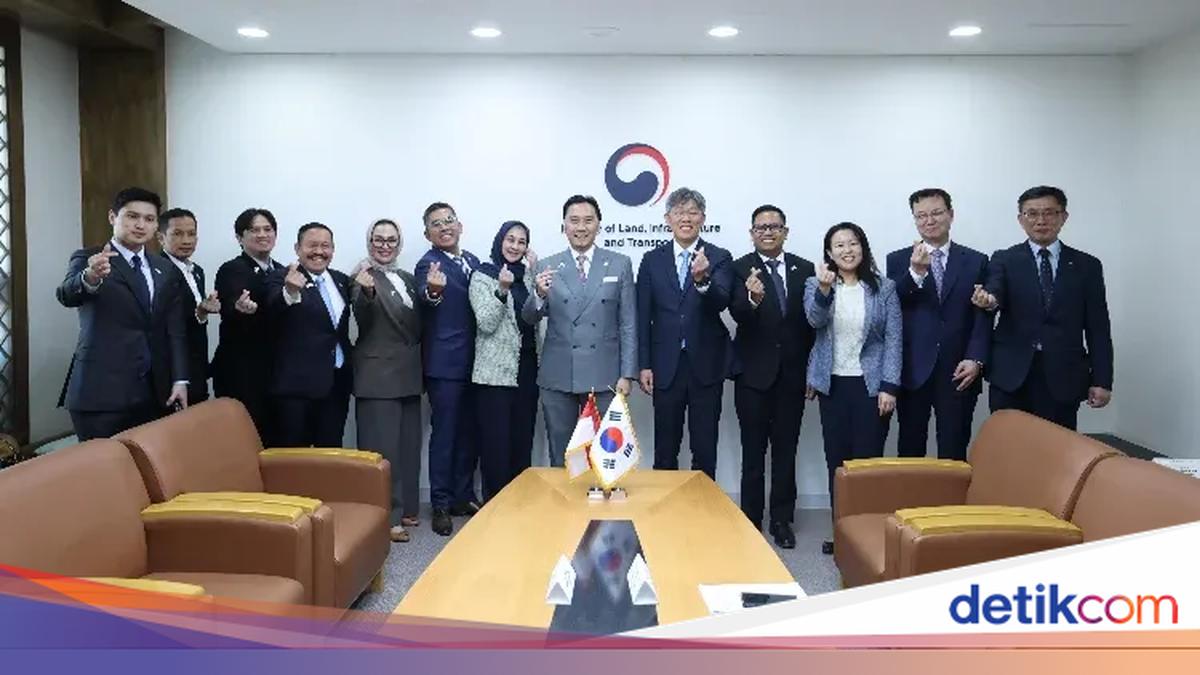
In his speech, Ibas expressed appreciation for the strategic role of KSIF in introducing the Korean language and culture to various countries, including Indonesia. KSIF is seen as an important bridge in strengthening cross-cultural understanding and opening up opportunities for international collaboration.
“Our presence is a manifestation of our commitment to continue strengthening bilateral relations between Indonesia and South Korea. International cooperation like this has a significant impact in creating a brighter future for both countries,” said Ibas in a written statement on Wednesday (29/4/2026).
Indonesia, as an archipelagic nation with more than 286 million inhabitants, 17,000 islands, 718 regional languages, and around 1,340 ethnic groups, possesses extraordinary cultural richness as well as challenges in expanding international language cooperation. In this context, Indonesia welcomes the language and cultural education programmes run by KSIF.
The occasion also highlighted funding support for language and cultural programmes, where the South Korean government allocates a larger budget to the King Sejong Institute Foundation compared to support for the Indonesian Language Programme for Foreign Speakers (BIPA). This difference is cited as one of the factors behind the rapid expansion of the Korean language in various countries, while also serving as a lesson for strengthening the internationalisation strategy of the Indonesian language moving forward.
This meeting also spotlighted the strengthening of cross-sector cooperation, from economy, education, technology, environment, to security. Collaboration in these sectors is deemed important for creating sustainable global solutions.
On the cultural exchange front, more than 20,000 students in Indonesia have studied Korean, while thousands of South Korean students also learn Indonesian at several universities such as Seoul National University, Korea University, and Yonsei University.
In the tourism sector, cooperation between the Indonesia Tourism Development Corporation (ITDC) and KSIF has contributed to a 10 percent increase in South Korean tourist visits to Indonesia.
In the warm atmosphere of the meeting, Ibas also made a joke that was enthusiastically received by the participants. He stated that if KSIF has not yet been able to be present in all of Indonesia’s more than 17,000 islands, then at least “remove the thousands digit”—becoming 17 plus 9, or 26 points of presence in Indonesia.
The statement was conveyed as a hope for future expansion of cooperation and was met with applause as a symbol of optimism in the relations between the two countries.
Closing his speech, Ibas, who also holds a PhD from IPB University and an MSc from NTU Singapore, emphasised the importance of preparing Indonesia’s young generation to face the demographic bonus through strengthened education, language skills, and international collaboration.
“Through the spirit of Creative Power for Next Generation: Innovation, Identity, and Collaboration, we can build a stronger and more sustainable future for both countries,” he concluded.
Meanwhile, from the KSIF side, President Chun Woo Yong stated that this meeting discussed strategic steps to strengthen Korean language and cultural education in Indonesia, utilising the nine King Sejong Institutes that have been operating.
He affirmed KSIF’s commitment to expanding the reach of Korean language and culture promotion as well as strengthening cultural exchanges as the foundation for long-term relations between the two countries.
This working visit was also attended by members of the Democratic Party Faction from various commissions in the Indonesian House of Representatives (DPR RI), led directly by Edhie Baskoro Yudhoyono. Also present were Anton Sukartono Suratto (Commission I), Rinto Subekti (Commission XIII), Dina Lorenza (Commission VII), Lucy Kurniasari (Commission IX), Bramantyo Suwondo (Commission X), Rizki Aulia Rahman Natakusumah (Commission I), Wastam (Commission V), Muhammad Lokot Nasution (Commission V), and Sartono (Commission XII). The cross-commission presence reflects the strong commitment of the Democratic Party Faction in supporting parliamentary diplomacy and expanding international cooperation in various strategic sectors.
Meanwhile, from the King Sejong Institute Foundation side, the meeting was attended by leadership and core team members, including KSIF President Chun Woo Yong, Secretary General Choi Hyunseung, as well as directors general handling management and planning, business, and content development. Also present were leaders of strategic teams handling planning, cooperation, operations, education and culture, to digital service development and Korean language assessment.