
National Consumer Protection Agency insists fortified rice businesses must compensate consumers
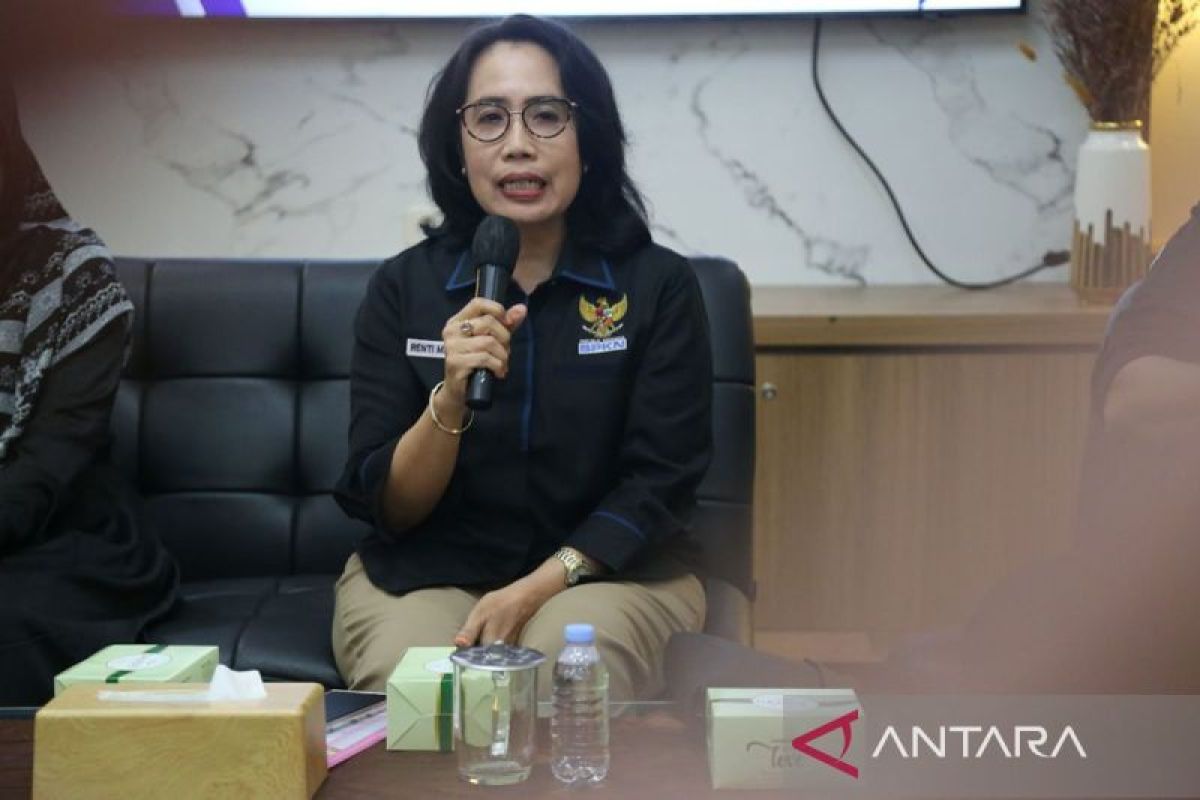
Businesses are required to act in good faith when conducting operations and are responsible for providing compensation for losses suffered by consumers.
The National Consumer Protection Agency (BPKN) has emphasised that producers of fortified rice must fulfil their quality responsibilities and provide compensation to consumers if they are proven to have violated product regulations.
BPKN member Renti Maharaini Kerti stated that businesses must act in good faith and take responsibility for the products they market, ensuring that quality standards are met and that label information accurately reflects the product’s condition.
“Businesses are obliged to act in good faith in conducting their business and are responsible for providing compensation for losses suffered by consumers,” Renti confirmed in Jakarta on Saturday.
This statement comes in response to findings by the National Food Agency (Bapanas), in conjunction with the Ministry of Agriculture and the Food Task Force, regarding 2ability 25 brands of fortified rice suspected of not meeting the standards and contents listed on their labels, resulting in consumer losses of up to Rp89 trillion.
Renti emphasised that businesses are prohibited from trading goods that do not meet standards or providing information that is inconsistent with the actual condition of the goods.
The lecturer from the Faculty of Law at Trisakti University highlighted the perspective of ‘dolus eventualis’ in this case. Dolus eventualis refers to a form of intentionality involving the awareness of a possible consequence, where the perpetrator does not directly desire a bad outcome but is aware of the potential risk and proceeds with the action regardless.
She noted that this aspect needs to be examined if evidence emerges that businesses were aware of the regulations regarding quality standards, nutritional content, labelling, and licensing, yet continued to sell products with inaccurate claims.
She explained that the Consumer Protection Law mandates businesses to act in good faith, meaning they must comply with applicable regulations.
“If a business knows there are regulations and risks, but continues to use inaccurate claims and sells them to consumers, then the awareness of that risk must be scrutinised during the legal process,” she added.
BPKN considers that consumer protection regulations provide a clear basis for business obligations. This is regulated under Articles 7, 8, and 19 of Law Number 8 of 1999 concerning Consumer Protection, as well as provisions regarding food labelling, advertising, quality requirements, and food licensing.
For BPKN, Renti added, these standards are not merely administrative matters. Behind labels and standards lie consumer rights that must be protected.
Consumers who have been harmed have the right to receive compensation in accordance with applicable provisions, including a refund of the price difference if losses are proven. “Therefore, do not throw away your purchase receipts,” Rented advised.
Furthermore, she emphasised that this is not just about commercial profit, but about the consumer’s right to food safety and accurate information, especially for vulnerable groups who rely on food with specific nutritional contents as claimed.
BPKN supports the steps taken by Bapanas and the National Police Food Task Force to halt the circulation of non-compliant products. “If violations are proven, there must be accountability, and harmed consumers must receive restitution,” said Renti.
Previously, the Head of the National Food Agency (Bapanas) and Minister of Agriculture, Andi Amran Sulaiman, announced findings that 25 brands of fortified rice were suspected of not meeting the standards and contents listed on their labels, causing losses of up to Rp89 trillion.
A total of 25 fortified rice brands failed to meet the nutritional content and quality requirements of SNI 9314:2024 for fortified rice kernels and SNI 9372:2025 for fortified rice.
The brands suspected of violations include WFO, TKS, IMF, NUR, TKL, HOK, BRV, IMR, IHJ, IAK, PBK, GNB, DTR, TKR, WJK, PLK, MKY, IMC, PTK, ARP, ARN, SKM, GNM, TAR, and CMS.
Following these findings, the government has taken decisive action by ordering the withdrawal of products from circulation, revoking licences, and initiating legal proceedings against the parties suspected of involvement in accordance with applicable laws.
Source: jawawa.id (https://jawawa.id/newsitem/national-consumer-protection-agency-insists-fortified-rice-businesses-must-compensate-consumers-1789815310)
Originally published by Antara (Indonesian) (https://www.antaranews.com/berita/5749047/bpkn-tegaskan-pelaku-usaha-beras-fortifikasi-wajib-ganti-rugi-konsumen), translated from Indonesian