
National Children's Day: Managing Type 1 Diabetes in Children Requires Early Detection and Insulin Access
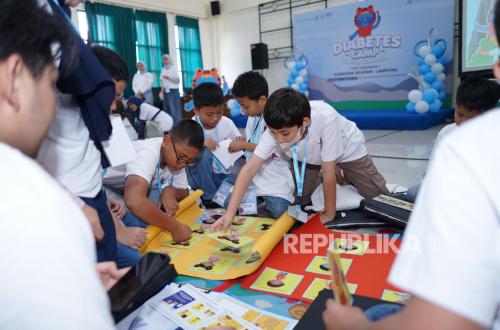
Type 1 diabetes mellitus in children remains a serious challenge in Indonesia, often diagnosed too late, which increases the risk of complications. Strengthening education, early detection, and access to healthcare services is crucial to improving the quality of life for children living with the condition.
In conjunction with National Children’s Day, Novo Nordisk Indonesia reaffirmed its commitment to strengthening healthcare services for children with type 1 diabetes through collaboration with the Ministry of Health, the Indonesian Paediatric Society (IDAI), and other stakeholders.
Associate Director of Market Access and Public Affairs at Novo Nordisk Indonesia, Banarsono Trimandojo, stated that every child has the right to access proper diagnosis, treatment, and support. He noted that Indonesia’s future depends on the health quality of its younger generation.
According to data from the International Diabetes Federation (IDF), approximately one in three people with type 1 diabetes in Indonesia are children and adolescents. This underscores the importance of strengthening the child healthcare system, from early detection to long-term support. Children with type 1 diabetes require lifelong insulin therapy, regular blood sugar monitoring, and continuous healthcare support to grow and develop optimally.
Since 2021, Novo Nordisk has been running the Changing Diabetes in Children (CDiC) programme in Indonesia. The programme focuses on four main areas: patient and family education, capacity building for healthcare workers, expanding access to paediatric diabetes services and insulin, and supporting blood sugar monitoring.
Through CDiC, educational sessions are held for children and families covering insulin use, dietary management, safe physical activity, and recognition of emergency signs. The programme has also facilitated training for doctors, nurses, and nutritionists, while supporting the Ministry of Health’s Diabetes Mellitus Management Programme.
CDiC has helped strengthen 49 paediatric diabetes clinics and supported the development of a national type 1 diabetes registry, which has been integrated with the SATUSEHAT platform since 2024.