
National Children's Day: A Historical Reflection on Protecting Indonesia's Future Generation
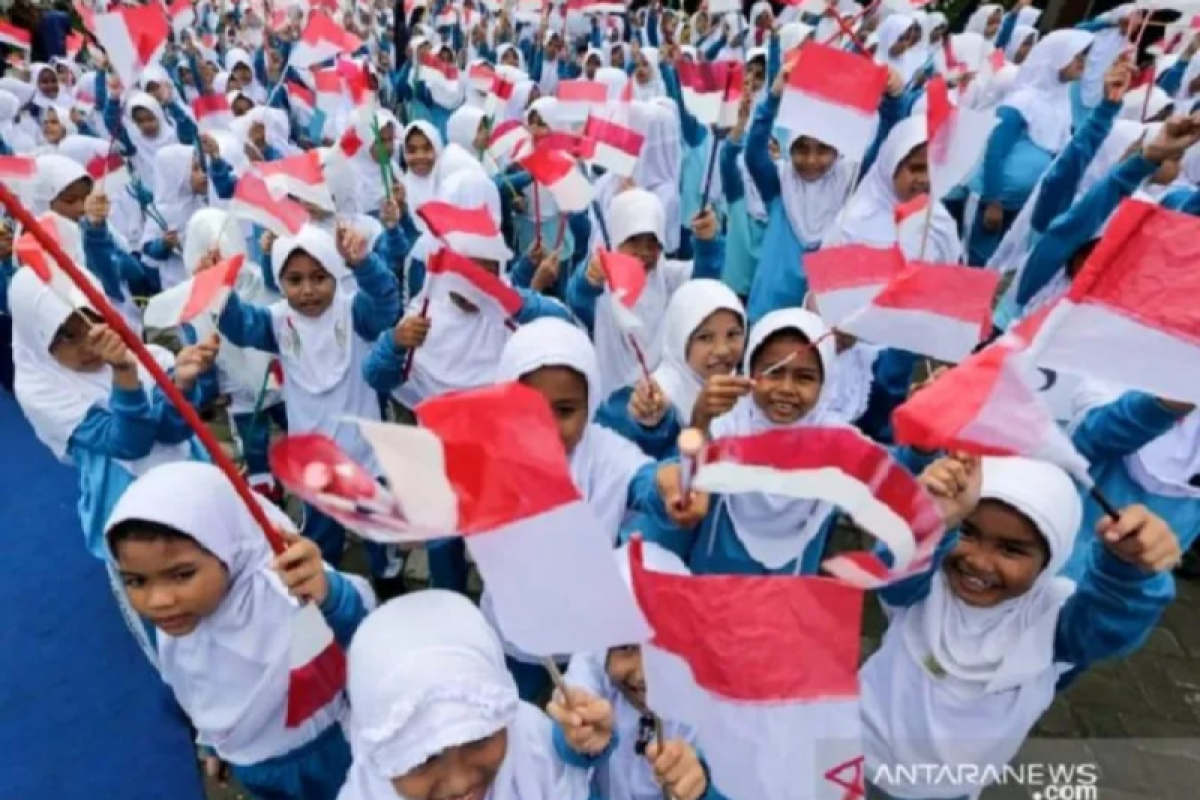
National Children’s Day, commemorated every 23 July, is a key moment to raise public awareness about the fulfilment of children’s rights and protection in Indonesia. The observance serves as a reminder that every child has the right to live, grow, develop, and obtain protection from all forms of violence, discrimination, and exploitation.
As times have evolved, the meaning of National Children’s Day is no longer limited to ceremonial activities. The commemoration has become a platform to strengthen the commitment of all elements of the nation to create a safe, healthy, and child-friendly environment. This is considered crucial given that children are the next generation who will determine the nation’s future and become pillars in realising the Golden Indonesia 2045 vision.
The historical roots of National Children’s Day stem from the government’s growing attention to child welfare. The constitutional foundation for child protection is enshrined in Article 28B, paragraph (2) of the 1945 Constitution of the Republic of Indonesia, which states that every child has the right to survival, growth and development, as well as the right to protection from violence and discrimination.
This commitment was subsequently realised through the ratification of Law Number 4 of 1979 on Child Welfare on 23 July 1979. This law became the initial milestone that specifically regulated the state’s efforts to ensure child welfare as an integral part of national development.
As a tribute to the birth of this regulation, the government designated 23 July as National Children’s Day through Presidential Decree Number 44 of 1984. Since then, National Children’s Day has been observed annually as a form of the state’s commitment to increasing awareness of children’s rights while encouraging the participation of all levels of society in creating an environment that supports children’s growth and development.
Over time, regulations concerning child protection have continued to be refined. The government issued Law Number 23 of 2002 on Child Protection, which was later updated through Law Number 35 of 2014. These amendments strengthened the responsibilities of the state, regional governments, families, communities, and various stakeholders in ensuring that all children’s rights are comprehensively fulfilled.
Through these regulations, child protection is not only focused on meeting basic needs but also encompasses protection from various forms of violence, exploitation, neglect, human trafficking, bullying, and discrimination. In the digital era, the scope of protection has also broadened to include various threats in cyberspace that can affect children’s safety and development.
The observance of National Children’s Day continues to evolve in line with the social dynamics occurring in society. Each year, the government adopts a different theme as a response to the challenges faced by Indonesian children. These themes serve as a call to all parties to strengthen collaboration in creating an environment that is safe, healthy, inclusive, and supportive of children’s optimal growth and development.
For the 42nd National Children’s Day commemoration in 2026, the government has adopted the theme ‘Love Children, Protect and Build the Future’. This theme conveys a message for society to increase its concern for children’s lives through affectionate parenting, protection from various threats, and the provision of access to education, health, and opportunities to develop to their fullest potential.
The meaning of this theme also reflects the belief that the best investment for the nation is to ensure every child fully obtains their rights. By growing up in a safe, healthy, and supportive environment, children are expected to develop into a generation that is intelligent, has character, is creative, and is ready to face global challenges.
To this day, National Children’s Day remains an important momentum to strengthen synergy between the government, families, schools, the business sector, community organisations, and all citizens in realising sustainable child protection. This commemoration also serves as a reminder that Indonesia’s future is largely determined by the quality of its young generation, making the fulfilment of children’s rights and protection a shared responsibility.