
Natalius Pigai Proposes Civilian Appointments for Key Positions within National Police
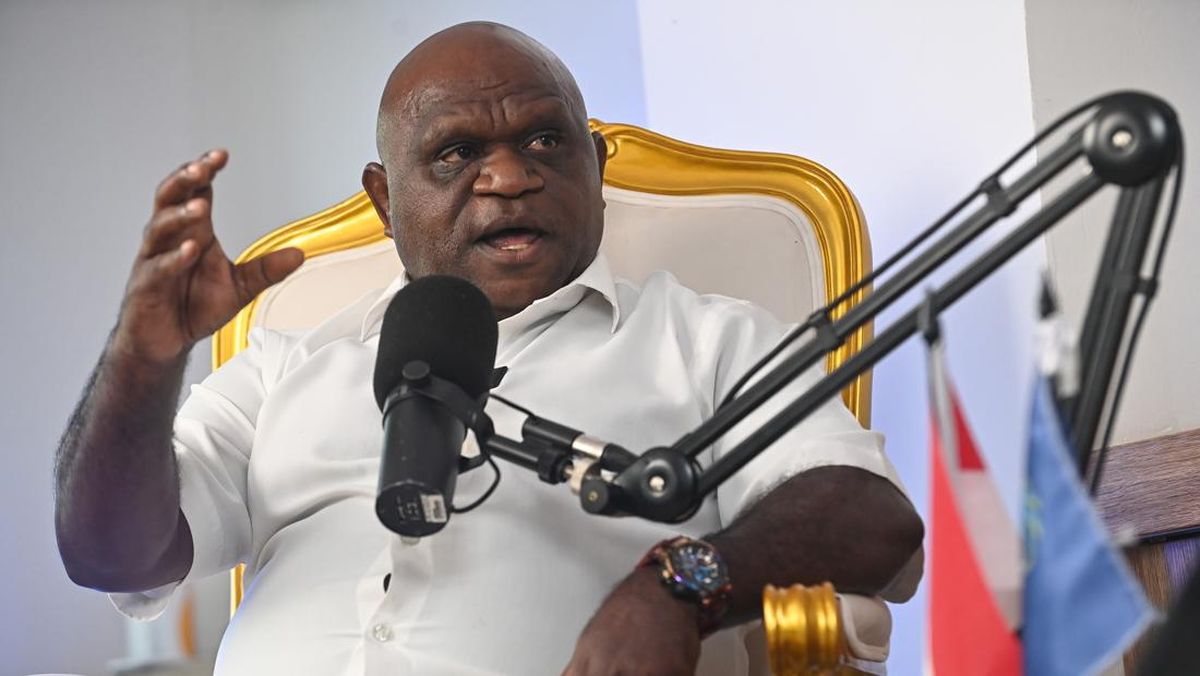
Human Rights Minister Natalius Pigai has proposed that the revision of the National Police Law (RUU Polri) should accommodate the appointment of civilians to several positions within the police institution. According to Pigai, this proposal is based on the concept of civilian oversight, which has been implemented in many developed nations.
“That is why I say civilians could hold key positions within the National Police. In almost all modern countries, there is a system of civilian oversight. In many developed nations such as the United States, the United Kingdom, France, and the Netherlands, the top leadership of the police consists of civilians. For example, the NYPD has civilian leadership,” Pigai stated when confirmed on Sunday (7/6).
He believes that if other nations can implement this concept, Indonesia is equally capable. He emphasised that the proposal is not intended to allow civilians to become the Chief of the National Police (Kapolri), but rather to occupy roles related to management and human resources.
“We are not asking for the Chief of Police to be a civilian. However, managerial positions, financial roles, positions involving technological development, planning, and human resources could actually be held by civilians. This is part of the civilian oversight concept,” he explained.
Pigai also cited the principle of reciprocity as a basis for his proposal. He noted that members of the National Police and the Indonesian National Armed Forces (TNI) are currently permitted to hold various positions within civilian agencies. Therefore, he argues, civilians should also have the opportunity to fill specific roles within the police institution.
Furthermore, he suggested that this concept could reduce the dichotomy between civilians and security apparatus that frequently arises. “The dichotomy between military-police and civilians will be automatically erased because there are civilians within the TNI-Polri and TNI-Polri within civilian spheres. The conflicts that have existed will disappear on their own. In essence, I am helping to mediate the conflict between civilians and the military in Indonesia,” he said.
According to Pigai, the involvement of civilians in certain positions within the police institution is part of a more substantive effort toward police reform, rather than a merely symbolic gesture. “Therefore, I am conveying that today’s revision of the police law can provide allocation to the civilian community through civilian oversight for the interests of the nation and state in the future. There are no personal interests involved,” he concluded.