
NASA to Launch LOXSAT in July 2026 to Test Space-Based Refuelling Depot
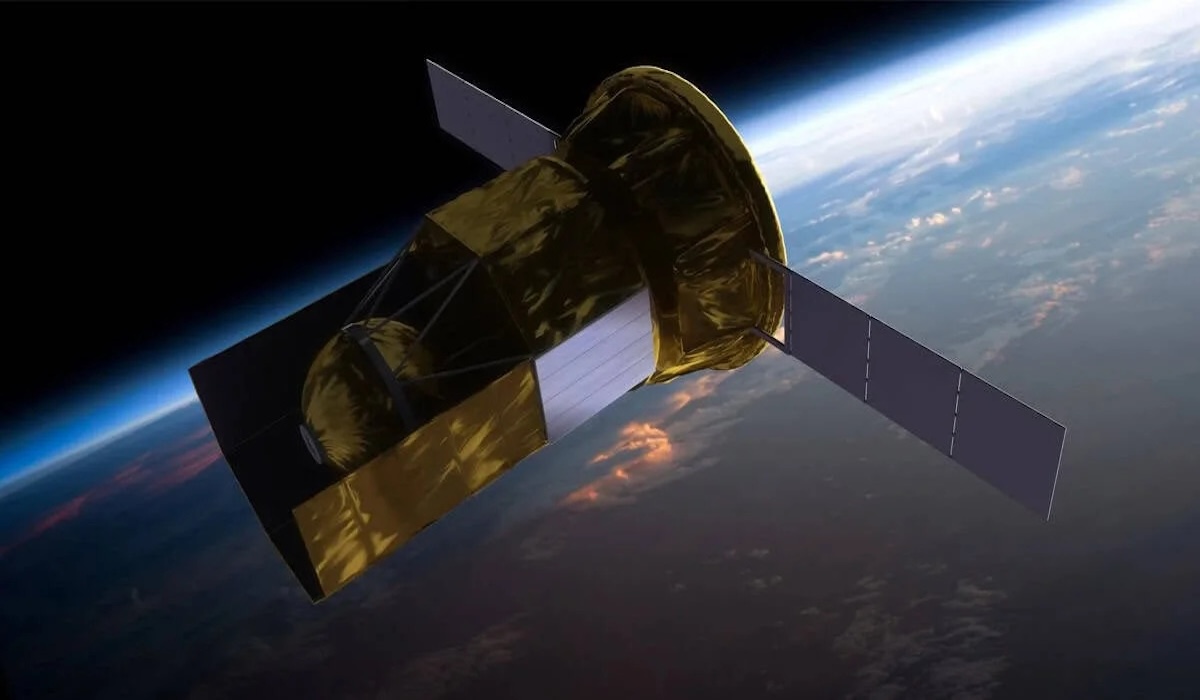
NASA is preparing to launch the Liquid Oxygen Flight Demonstration (LOXSAT) in July 2026 to test the storage and transfer of cryogenic rocket propellants in near-zero gravity. The mission is a crucial step in developing similar orbital refuelling infrastructure to support long-term space exploration of the Moon and Mars. LOXSAT is scheduled to launch no later than 17 July 2026 from Rocket Lab’s launch site in New Zealand aboard an Electron rocket. Over nine months in low Earth orbit, the satellite will test 11 high-technology components designed to manage cryogenic liquids in the challenging environment of microgravity. Cryogenic propellants such as liquid oxygen, liquid hydrogen, and liquid methane are highly sensitive to temperature; even slight warming can cause them to boil away and become unusable. To date, no spacecraft has successfully stored or transferred such fuels for extended periods in outer space. NASA is collaborating with Eta Space of Florida through the Tipping Point initiative to realise the project. The success of LOXSAT could become a blueprint for SpaceX’s Starship and Blue Origin’s Blue Moon, which rely on in-orbit refuelling. A NASA statement reported by Geekspin notes that orbital fuel depots could eventually function as space refuelling stations supporting long-term exploration. Data from LOXSAT is expected to be completed before the historic Artemis 3 mission at the end of 2027. If the tests succeed, the main obstacles to long-range missions to Mars and deeper space would be overcome by ensuring a reliable energy supply along the orbital path.