
NASA Prepares 'Space Petrol Station' to Support Missions to the Moon and Mars
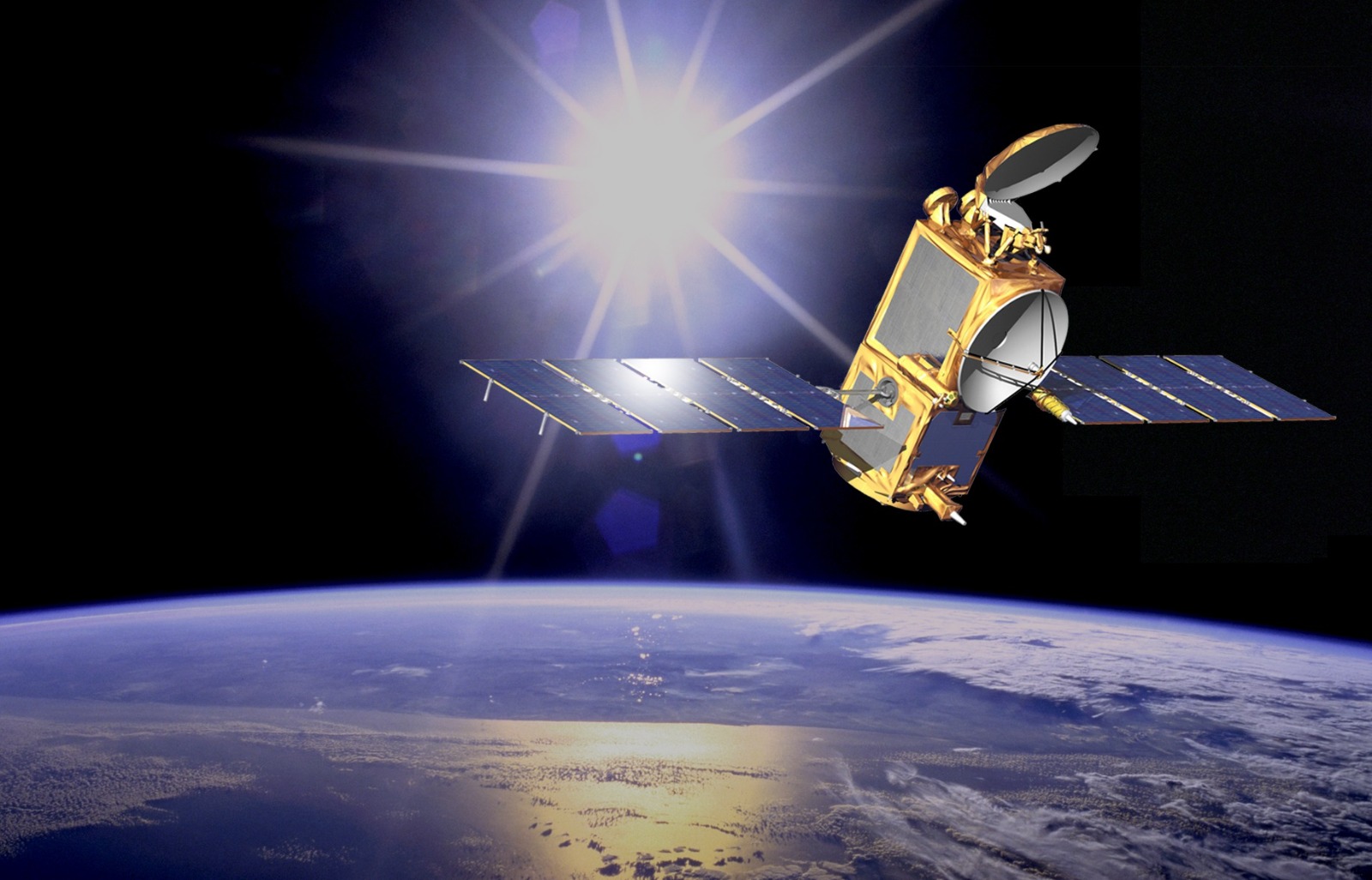
NASA is preparing technology that has the potential to serve as space-based refuelling stations to support future human missions to the Moon and Mars. The initial step of this project will be undertaken through the launch of a satellite named Liquid Oxygen Flight Demonstration (LOXSAT) later this year.
According to Space.com, the satellite will test technology for the storage and transfer of cryogenic fuels, which are extremely low-temperature fuels used by many modern spacecraft. This technology is considered vital for supporting long-term space exploration, including NASA’s Artemis programme, which aims to return humans to the Moon.
LOXSAT is scheduled to launch into Low Earth Orbit using Rocket Lab’s Photon satellite bus via an Electron rocket from a launch facility in New Zealand, as early as 17 July. The mission is planned to last nine months.
Cryogenic fuels, such as liquid oxygen, liquid methane, and liquid hydrogen, must be stored at very low temperatures to remain in liquid form. Even a slight change in temperature can cause the fuel to evaporate, making long-term storage difficult. This challenge becomes even more complex in the microgravity environment of space. Consequently, NASA aims to develop a system capable of maintaining stable temperatures while enabling the transfer of fuel between spacecraft in orbit.
NASA stated that orbital fuel depots could eventually function like petrol stations in space. With such a system in place, spacecraft would not need to carry their entire fuel supply from the initial launch from Earth; instead, vessels could refuel in orbit before continuing their journey to the Moon or Mars.
This mission is part of the large-scale Cryogenic Fluid Management Portfolio Project, involving scientists and engineers from the Marshall Space Flight Center, Glenn Research Centre, and Kennedy Space Centre. NASA is collaborating with Eta Space to develop this technology. The company was previously selected under NASA’s Tipping Point programme, which supports the development of critical technologies for the Artemis programme.
Cryogenic fuel management technology is deemed essential because both lunar landers used in the Artemis programme rely on these fuel types. SpaceX’s Starship utilises a mixture of liquid oxygen and liquid methane (methalox), while Blue Origin’s Blue Moon uses a combination of liquid oxygen and liquid hydrogen (hydrolox). Both fuel systems require continuous cryogenic cooling to remain stable. To date, no spacecraft has successfully demonstrated the capability for long-term storage or the transfer of super-cooled fuels in orbit.
Through LOXSAT, NASA will test 11 different components within the cryogenic fluid management system. Data from the mission is expected to assist in the development of orbital refuelling technology for future space missions. Simultaneously, SpaceX and Blue Origin continue to develop their lunar landers, with SpaceX scheduled for the latest flight tests of Starship Version 3, while Blue Origin is completing final testing stages for Blue Moon Mark 1. NASA targets the Artemis 3 mission for late 2027, where astronauts will practice rendezvous and docking manoeuvres in orbit using the Orion capsule and lunar landers. If all plans proceed smoothly, LOXSAT could serve as the foundation for orbital refuelling stations supporting human travel to the Moon, Mars, and beyond.