
NASA Maps Toxic Dust Dangers on Mars That Threaten Astronaut Health
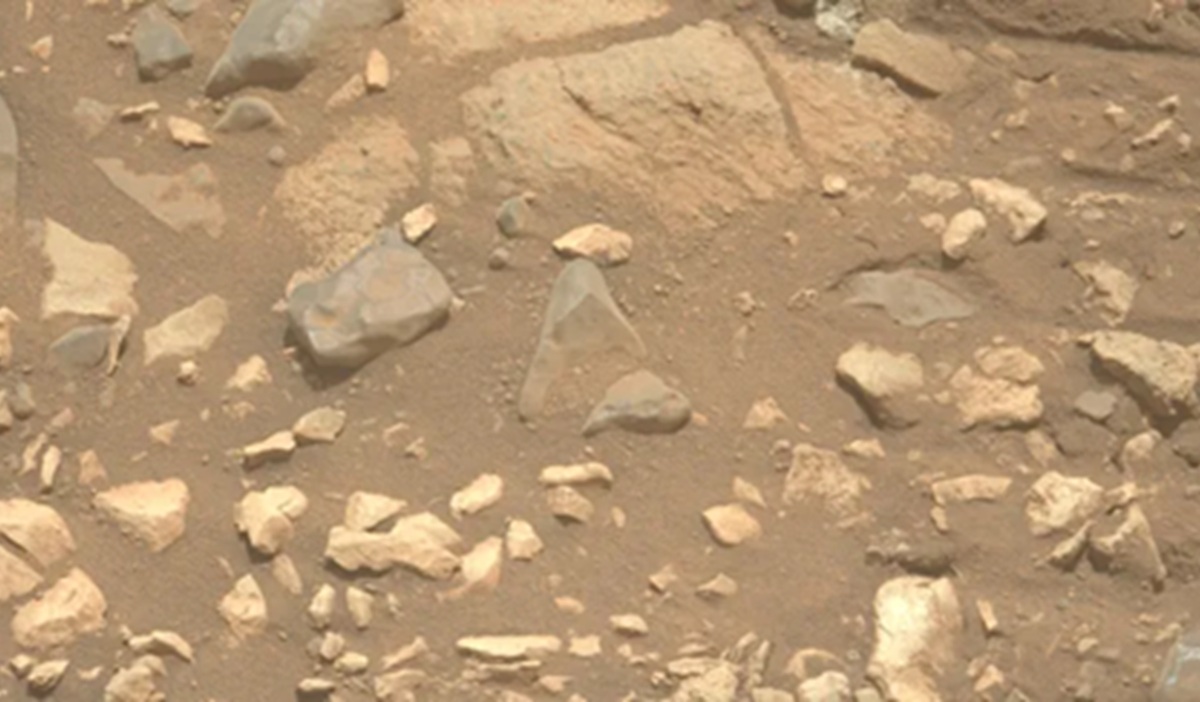
Sending humans to Mars is not just about landing on the surface, but also ensuring astronaut safety from the toxic dust of the red planet. To address this threat, NASA has formed the Martian Dust Limit Working Group to research the toxicological hazards of Mars dust for future mission crews.
The main objective of the working group is to establish safe exposure limits for humans by gathering expert views on toxicology, exposure pathways, and mitigation strategies.
The group’s report states that initial Mars dust standards “must balance conservative properties with operational feasibility while accommodating architectural and scientific uncertainties.” Furthermore, these standards should be reviewed periodically as new data becomes available.
Brian Hynek, a professor at the University of Colorado, Boulder and a panel member, explained that the hazards on the Moon and Mars have different characteristics.
“The Moon is worse in some ways and Mars is worse in others,” said Hynek.
Unlike lunar dust, which is sharp and angular, Martian dust particles tend to be more rounded. However, Mars dust contains various hazardous chemicals and minerals such as perchlorates, silica, and heavy metals that are carcinogenic.
Hynek also highlighted another potential danger from plans to grow crops on Mars. “Martian soil is full of these hazardous chemicals. So astronauts may get more exposure from what they grow on Mars than from dust inhaled in the air,” said Hynek.
Joel Levine, a lunar dust expert from William and Mary, welcomed NASA’s move to account for dust hazards early on, based on experience from the Apollo missions. According to him, returning samples from Mars would greatly help in analysing its chemical composition.
Meanwhile, Shaunna Morrison, a professor at Rutgers University who is also a panel member, stressed that Mars dust is a real problem for both health and engineering. However, the problem can still be overcome if addressed from the beginning of design planning.
The main concern arises because astronauts will live in enclosed habitats for long periods and repeatedly bring dust in from outside via their spacesuits. In a low-humidity environment, fine particles easily become airborne and risk being inhaled.
“The best strategy is prevention first. Keep as much dust as possible outside the habitat, clean it up quickly if it gets in, monitor airborne particles, and design systems so the crew does not rely on medical intervention after exposure,” advised Morrison.