
NASA discovers 27 new planet candidates in binary star system
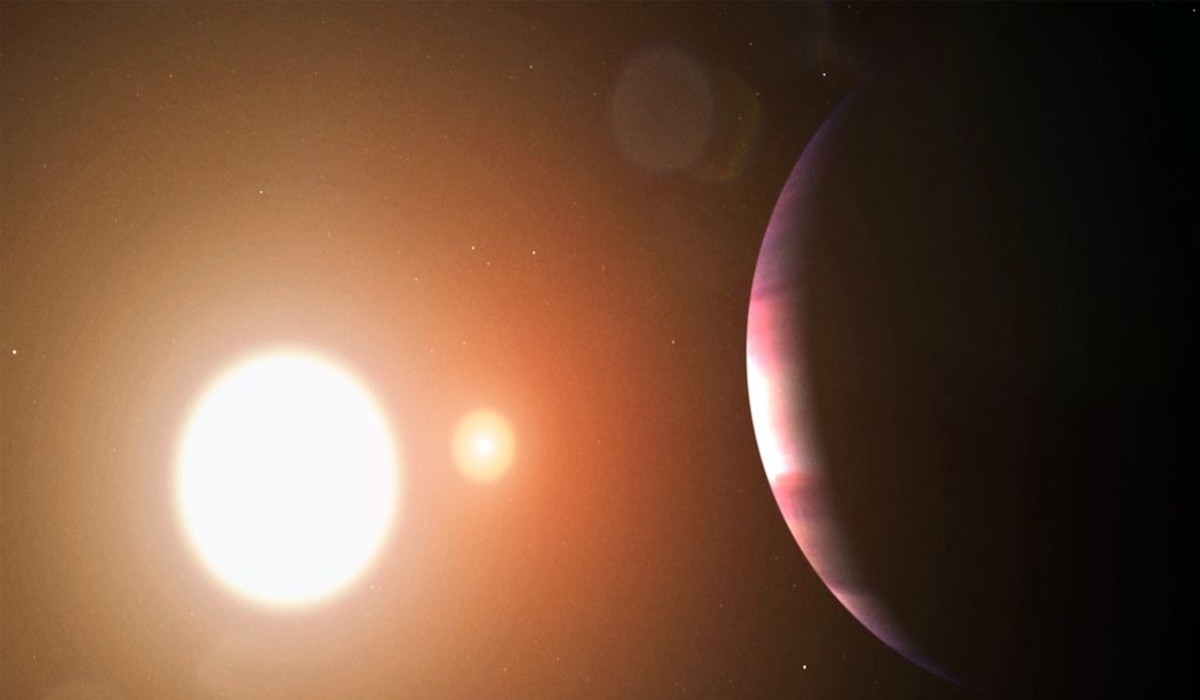
PT DSI Persero will assume full export operations from January 2027. PT DSI Persero will assume full export operations from January 2027. This phenomenon, known as circumbinary planets, visually resembles the fictional Tatooine from Star Wars. An international team of astronomers discovered these candidates by analysing subtle changes in eclipse timing between binary stars. Researchers used gravitational disturbances affecting eclipse times as indicators of other objects, enabling detection of planets not passing directly in front of the stars from Earth’s perspective. In a report published in Monthly Notices of the Royal Astronomical Society, the team analysed approximately 1,590 binary star systems, identifying 27 with strong indications of new planet candidates. NASA Science explained the technique opens opportunities to find worlds previously hidden from conventional observations, with some candidates estimated to be Jupiter-sized giants. However, scientists emphasise these are still ‘candidates’ requiring further observation to confirm stability. The study is crucial for understanding planet formation in complex gravitational environments. Since its 2018 launch, NASA’s TESS mission has been pivotal in mapping potential life and other worlds beyond the Solar System. Unlike conventional transit methods relying on light dips during planetary transits, this research employed an alternative approach. Scientists discovered exoplanet L 98-59 d, covered in molten magma and rich in sulfur, which is suspected to emit a rotten egg-like odour. Astronomers using the James Webb Telescope identified this lava planet, which introduces a new category in astronomy. One key discovery is the giant planet HIP 54515 b in the Leo constellation, 271 light-years from Earth. Known as Gomez’s Hamburger, the object IRAS 18059-3211 resembles a hamburger in space. For the first time, scientists have directly imaged planet formation within the dust ring of a young star named WISPIT 2.