
Narcotics Cases Dominate Jakarta Probation Office's Parole Clients
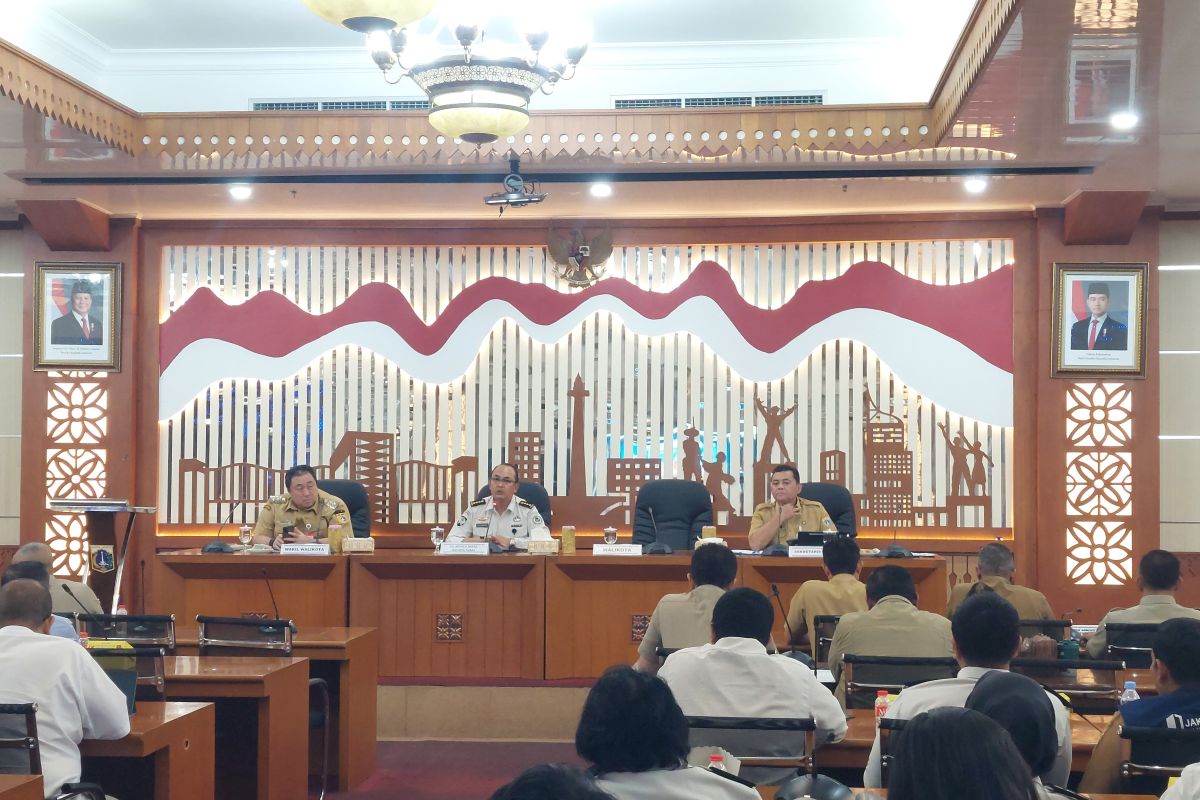
The Central Jakarta Correctional Centre (Bapas) has recorded that narcotics cases are the most common type of offence handled through guidance for clients undergoing parole. Acting Head of Bapas Central Jakarta Ade Kusmanto stated there are currently 783 adult and juvenile clients under the centre’s supervision, with narcotics cases being the most prevalent. “The majority of cases are drug-related. We need to address this together. Indeed, we must fight narcotics, because without the support of all of you, it is impossible,” Ade said during a Regional Coordination Meeting at the Central Jakarta Mayor’s Office on Tuesday. Of the total, adult male clients numbered 705, females 75, and male juveniles three. Ade explained that Bapas clients are convicts serving their sentences outside correctional facilities through integration programmes, including parole, pre-release leave, and conditional leave. Before receiving such programmes, inmates first undergo a community assessment to ensure their suitability for returning to society with family guarantees. Once outside the correctional facility, clients are required to report periodically and receive guidance and supervision from Bapas. According to Ade, the narcotics issue cannot be resolved solely through a correctional approach due to economic factors, as education and social conditions also influence the lives of former inmates. “To eliminate it completely, I wouldn’t dare say, but to reduce it through effort and cooperation, God willing, it is possible,” he said. The Central Jakarta Bapas also provides various guidance to clients, ranging from personality development and health checks to psychosocial activities and skills training, so they have the ability to live independently. Ade expressed hope that support from the local government, law enforcement officials, community leaders, neighbourhood administrators, and other stakeholders can strengthen both supervision and empowerment of clients so they do not reoffend. “Our goal is to guide and direct so that citizens who have previously violated the law do not continue to do so,” he said.