
Namlea Prison in Maluku conducts tilapia farming programme for inmates
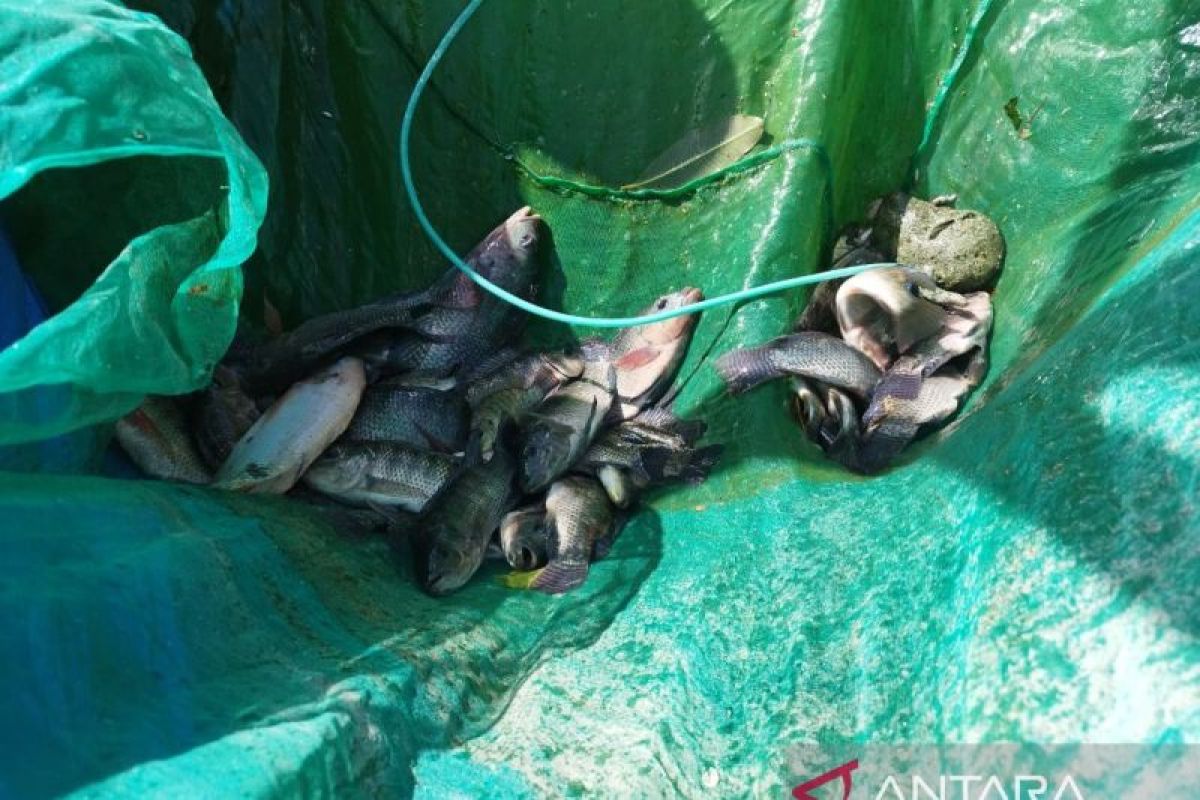
Fisheries have become a key aspect of our implementation of the 15 Action Programmes of the Ministry of Immigration and Correctional Services.
Ambon (ANTARA) - The Class III Namlea Prison, located in Buru Regency, Maluku, continues to strengthen its self-reliance training programmes for inmates through Nile tilapia cultivation, which serves as a flagship programme to support increased skills and productivity.
The Head of Class III Namlea Prison, Muhammad M. Marasabessy, stated from Ambon on Friday that the Nile tilapia cultivation programme is part of a training initiative designed to ensure inmates possess practical skills that can be utilised after they complete their prison sentences.
“Fisheries are one of the aspects we must implement in executing the 15 Action Programmes of the Ministry of Immigration and Correctional Services. Therefore, in addition to agriculture, we remain consistent in developing Nile tilapia cultivation as a flagship training programme at Namlea Prison,” he said.
According to him, the community’s enthusiasm for the products of the inmates’ cultivation serves as an indicator that the training programme is functioning effectively while producing goods with economic value.
Currently, Namlea Prison is cultivating approximately 4,000 Nile tilapia distributed across six biofloc ponds of various sizes. This population includes 1,000 super tilapia, 3,000 adult-sized tilapia, and approximately 500 tilapia fingerlings.
The biofloc system is a cultivation method that utilises microorganisms to process organic waste within the ponds into flocs, which can then serve as natural fish feed.
In its application, the ponds are equipped with aeration to maintain oxygen levels, while water quality is controlled through the addition of probiotics and carbon sources to ensure the continued development of microorganisms. This method is considered capable of increasing fish stocking density, saving water and feed usage, and maintaining the quality of the cultivation environment.
He noted that the positive response from the community towards the fishery cultivation results demonstrates that the empowerment of inmates can produce beneficial products while adding value to the rehabilitation process.
Marasabessary hopes that the development of Nile tilapia cultivation can continue to be scaled up, not only to support food security within the prison environment but also to equip inmates with entrepreneurial skills that can serve as capital when they return to society.
Meanwhile, Alijah, a Junior Expert Agricultural Extension Officer from the Buru Regency Agriculture Office, expressed appreciation for the Nile tilapia cultivation managed by the inmates. According to her, the quality of the fish produced indicates that the training programme has been running optimally.
“The cultivation is quite promising, and the fish sizes are large. This serves as evidence that inmates are capable of developing skills in various fields, including the fisheries sector,” she said.